
Page 29 - North 40 Outfitters
-
 Categories: FishingPosted: February 27, 2019
Starting March 1st walleye anglers on Lake Pend Oreille, the Clark Fork River, and the Pend Oreille River can earn up to $1,000 per walleye when turned into an Idaho Department of Fish and Game, IDFG, fish-head freezer location. Walleye Lottery IDFG has tagged 50 walleye throughout the system and when these walleye are received by IDFG, a $1,000 check could be on its way to you! Simply cut the head of the walleye off, put it in the fish-head freezer with your contact information, and you could win. What's innovative for catching walleye? Check out our ICAST review. Walleye were illegally introduced into Noxon Reservoir in 1992 and since then have become prolific throughout the Clark Fork River, above Cabinet Gorge Dam. Recently, walleye have taken hold in Lake Pend Oreille, the Pend Oreille River, and the lower Clark Fork River. T...
Read more about New Angler Incentive Program – Lake Pend Oreille5 Min -
 Posted: February 26, 2019
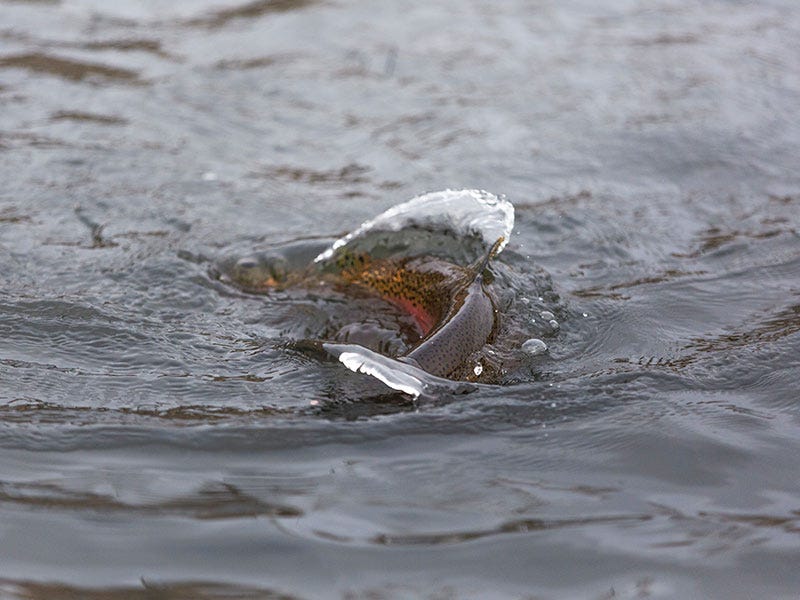
Do not wade over redds. Seems simple enough, right? There are a few key things to look for during the spring and fall spawn. Spring is fast approaching, and the fish are getting frisky. Educate Yourself: How to Spot Redds I fondly remember my time spent on the Great Lakes tributaries, fishing for lake run browns and rainbows. Often, you’d find large rainbows paired up in the spring. At a young age, we knew to never fish for these courting trout, however, we never knew what to look for when the fish weren’t there. It is important to stay vigilant for defining characteristics on the stream bottom. I’ve seen redds in many types of water, anywhere from inches to a few feet of water in varying speeds. However, a bulk of the redds were always in shallow tail-outs, or riffles. Fish that range from 14 inches or smaller look for pea-sized or...
Read more about Don’t Tread on Me5 Min -
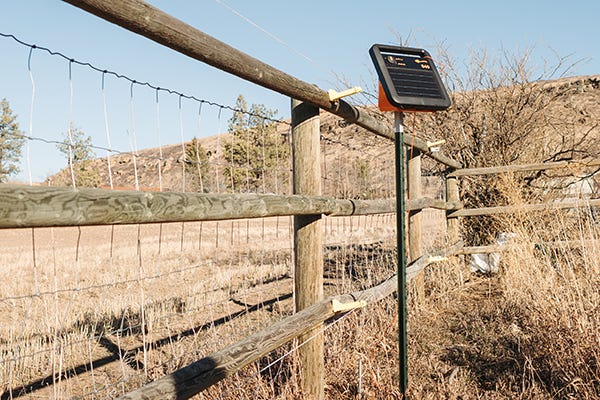 Tags: livestock, Installing Electric Fence, how to, gallagher fence, Gallagher, fencing, electric fencePosted: February 26, 2019How Do I Install An Electric Fence? Read more about How Do I Install An Electric Fence?5 Min
 -
 Posted: February 20, 2019
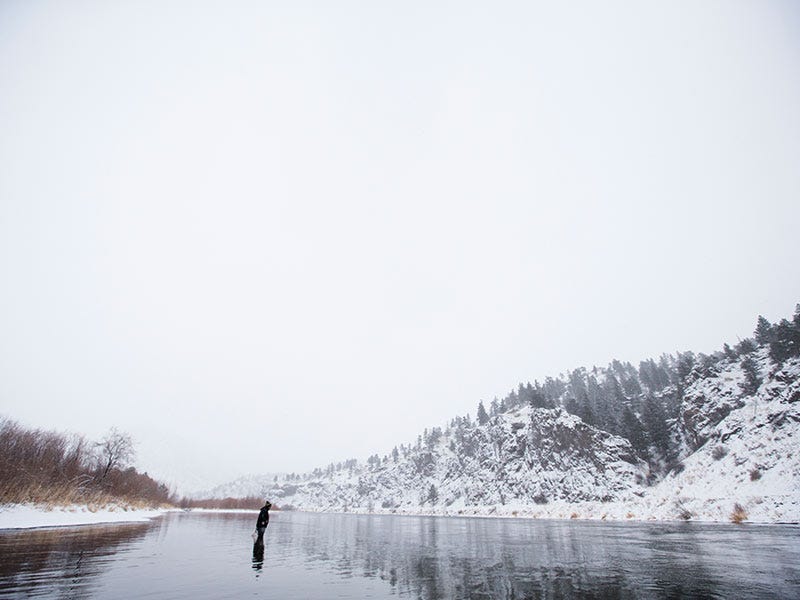
It’s been really cold for a long time and suddenly it’s not. You realize that you can go fishing again. You have not been out for weeks or even months. Where do you start? In the chill waters of February and March, midges are the hatch. Read more here. Early season fishing is all about water temperature. In the fish’s world, early spring is generally an extension of winter. While it may be 50 degrees in our world, the water is likely under 40 degrees in theirs. This means their level of activity and the water they choose to reside in is quite predictable. Degrees Matter The Missouri River below Holter Dam is a tailwater. Water coming from the dam seldom changes temperature more than a degree within 24 hours. This means the fish in the first mile or so below the dam are used to a fairly stable environment. When the...
Read more about Early Spring Fly Fishing on the MO5 Min -
 Categories: FishingPosted: February 20, 2019The Ice is Still Here and Getting Thicker Read more about The Ice is Still Here and Getting Thicker5 Min
 -
-
 Posted: February 12, 2019
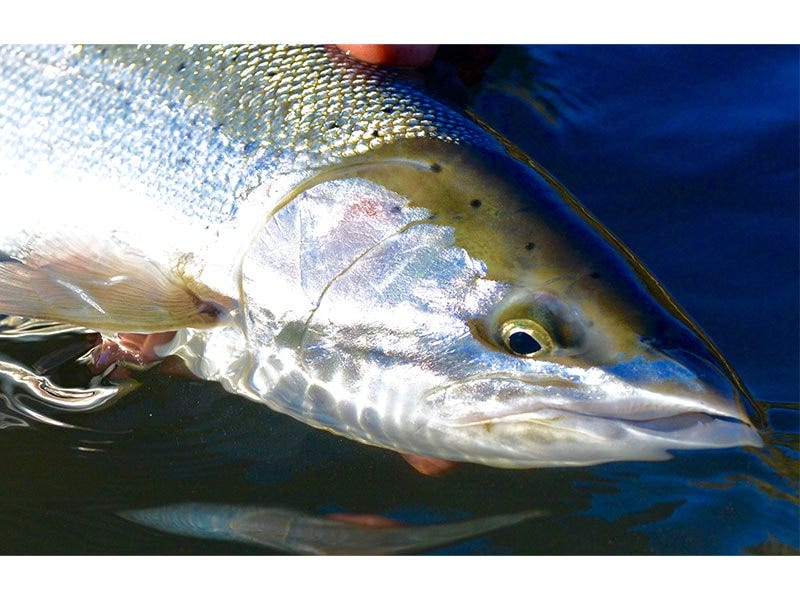
Ever feel like you’re overthinking steelheading? I do. Last week, once again, we thought we could outsmart those fish. Or so we thought….drift boat access to the lower float on the Queets River in Olympic National Park had been closed for over a month and those hatchery fish would be ripe for the taking! Simple right? Big numbers guaranteed… uh, not exactly. Queets River Steelhead Just as our trip coincided with the park reopening, it also coincided with unseasonably great weather. Bright sunshine and highs pushing into the upper 40s was expected …we couldn’t believe our luck: fresh fish AND great weather. Not so fast grasshopper, this is steelheading. Over three days we went one for two, although we did hit a home run with the scenery! However, just two bites in three days? Yep. It was not exactly your tailwater fishery numb...
Read more about Sun Time on the Queets River5 Min -
 Posted: February 07, 2019
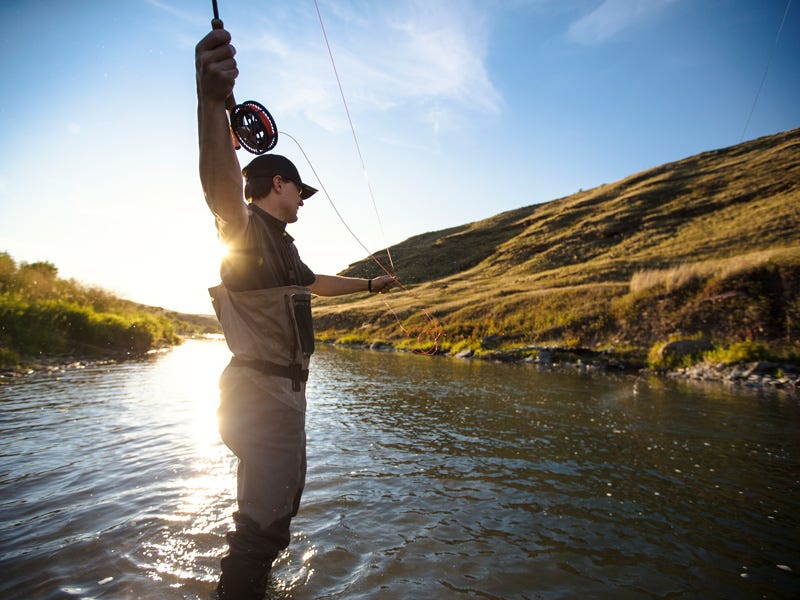
A lot of people have yet to explore a growing world in fly fishing. We are slowly breaking away from our traditionalist roots. Our flies are changing, our techniques are being refined, and our small world of fly fishing is absolutely expanding and so are the ideas within – whether you like it or not. So, what is the buzz around Euro Nymphing? It’s taking America by storm in competitive fly fishing as well as the recreational scene. Many assume that Euro Nymphing is a singular idea that originated with European nymph fishermen. Au contraire, the ideas encompass many techniques from across Europe, and they have been refined since the 1980s. Let’s break it down. What is Spanish Nymphing? The first Euro-style technique we’ll introduce is Spanish nymphing. On a side note, many discredit or are baffled at Spain’s wonderful, top-notch...
Read more about What is Euro Nymphing?5 Min -
 Posted: February 05, 2019
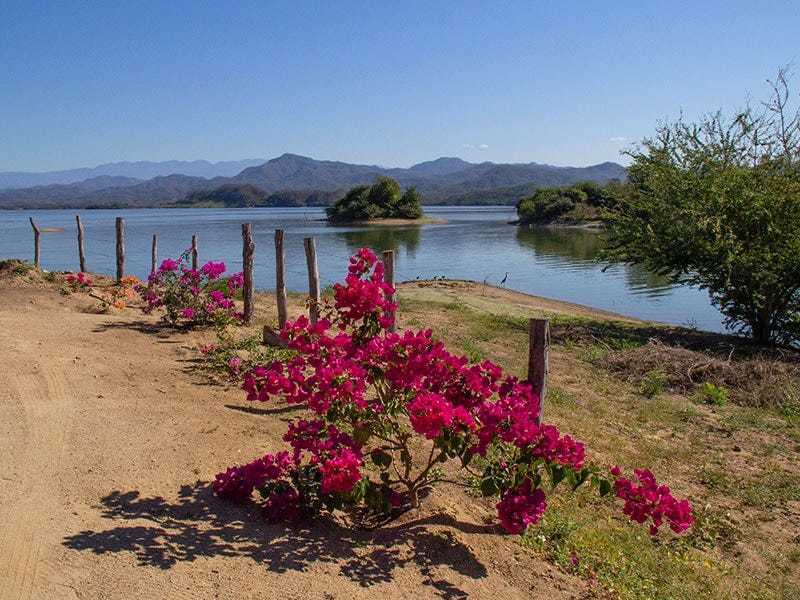
Día de Salida On departure day, we get to sleep in. Breakfast was scheduled for 7-ish. Of course, I was wide awake at 5 a.m. I read for a little while and heard the guide boats pull up, ready to take a new batch of anglers out. Yeah, I was a bit envious. After the boats departed, I grabbed my popper rod and took a little walkabout. With an hour before breakfast and daylight coming on, I had some prime casting time. I find that one last session with the popper makes the sting of departure day a little easier to bear. I landed just about as many bass as I could count before my brain went fuzzy, and then it was time for breakfast. Need to back it up? Read about Picachos Dia Cuatro here. Our flight out of Mazatlán was not scheduled until just after 4 p.m., so we had a lazy morning ahead. Our hosts were gracious enough to put ...
Read more about North 40 Hosted Trip: World's Best Bass Fishing - Lake Picachos - Last Day5 Min -
 Posted: January 31, 2019
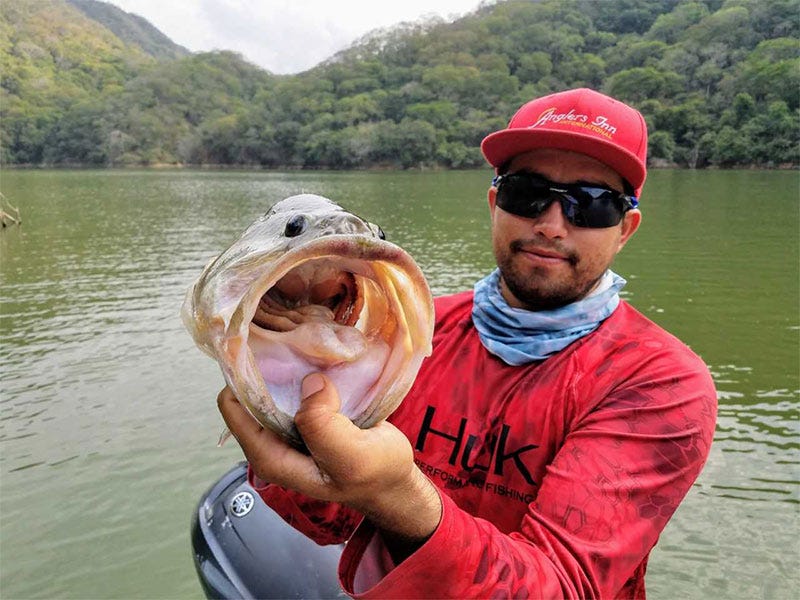
Picachos Dia Cuatro Miss Dia Tres? Catch up here. Session 6 Marv started the final morning with me and I was really hoping to show him some action on poppers. Marv had yet to get into popper mode, but soon hooked up and found out how fun the explosive surface eats can be. While Marv worked from the front with a small popper, I backed him up with a black surface critter I’d crafted from some packing foam. I had liberated the foam from a trash can in our receiving department. I colored it black, stuck hackle feathers out the back, added some big eyes, and coved the body with a thin layer of epoxy. It landed on the water on its side with a nice splat. On the retrieve, it stood up and moved water. It was lighting them up. With a 1/0 wide gape hook, the smaller fish were bouncing off, but the bigger fish were sucking it in nicel...
Read more about North 40 Hosted Trip: World's Best Bass Fishing - Lake Picachos - Day 45 Min -
 Posted: January 29, 2019
Picachos Dia Tres Knock, knock. It’s 5:15… coffee… tasty breakfast… run to the room… finalize prep… hit the boat. Session 4 The morning was perfect, and John and I were in the boat and venturing forth well before sunrise. We went deep up a canyon and began working what appeared to be ideal popper water. We cast and cast but had no takers before the sun came up. I was concerned that the banana curse was still with me. What banana curse? You’ll want to read this. John did not say anything, but I knew he was wondering what the heck was up. If things did not improve by lunch, I would have to talk to José and see if he could find me a priest from the village willing to perform an exorcism! It certainly was not fair to be affecting John with the curse that Dan had clearly manifested around me. Missed Dia Dos? Catch up her...
Read more about North 40 Hosted Trip: World's Best Bass Fishing - Lake Picachos - Day 35 Min -
 Posted: January 29, 2019
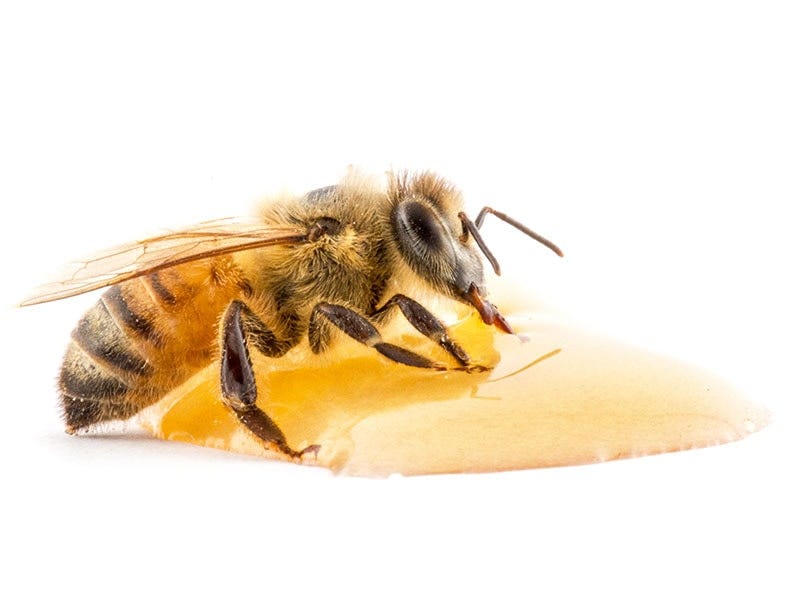
By Sharah Yaddaw, and Danielle Downey, and Thomas Hopkins Keeping honey bees goes back over 9,000 years, and since then our ability to feed modern civilizations has been cultivated with honey bees pollinating our food as they gather theirs. These unsung heroes work tirelessly gathering honey to survive winter, and crop pollination is the vital amenity we receive from their toil. Pollination in the US is valued at about $20 billion per year. This includes many nuts, fruits, berries, vegetables, and animal feeds- like alfalfa- which are required for meat and dairy production. Bees themselves- queens, packages and colonies for sale- are a valuable product only available with good beekeeping. Just as we rely on bees to pollinate our food, most honey bees rely on beekeepers. As we feed more people with larger farms, the need for pollination ...
Read more about The Plight of the Honey Bee5 Min