
Page 76 - Blog
Lakes and Ponds (ID & WA) Right now, focusing your time on stillwater fisheries is your best bet. Around the area you've got plenty of opportunities to take advantage of. Dworshak Reservoir has great bass fishing. I have been told by conventional anglers that the fishing is getting better and better as the spring progresses. This is leading me to believe that fly angling tactics are going to be effective, too. Winchester Lake's fishing is also picking up as well. You'll find a variety of species up there. From bluegill to tiger muskie, largemouth bass and rainbow trout, the possibilities to catch a new species are there. Mann Lake is the closest option to Lewiston that can bring good fishing. Largemouth bass, panfish, and rainbow trout are the key species. Fishing has been mediocre on the lake. Flies to use vary from baitfish ...
Read more about Lewiston, Idaho Fishing Report 05.17.18North 40 Life
-
 Categories: Home & GardenPosted: May 14, 2018
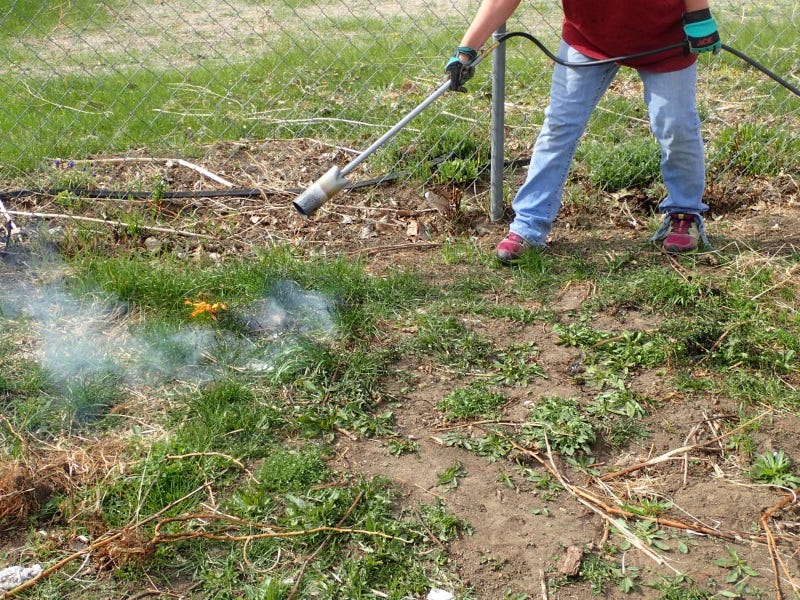
The spring garden is weed-free and full of promise. Every year I strive to keep the unwanted plants at bay valiant efforts and consistent care. Then hiking season happens and the weeds take over unless I am smart enough to employ techniques to stay one step ahead of them. There are few things more likely to make a gardener throw up his or her hands in frustration than weeds. They seem to reproduce exponentially overnight, choking out the vegetables or covering your flowers to where you can’t even see them. Fortunately, there are also a variety of ways to stay ahead of them. Cobrahead is the champion weeding tool. Nip them before the grow If you have only plants in your garden, either established perennials, annual flowers, or vegetables, use a pre-emergent, such as Preen, to reduce the growth of weed seeds in the soil by forming a bond...
Read more about Weed(s) Wars5 Min -
 Posted: May 11, 2018
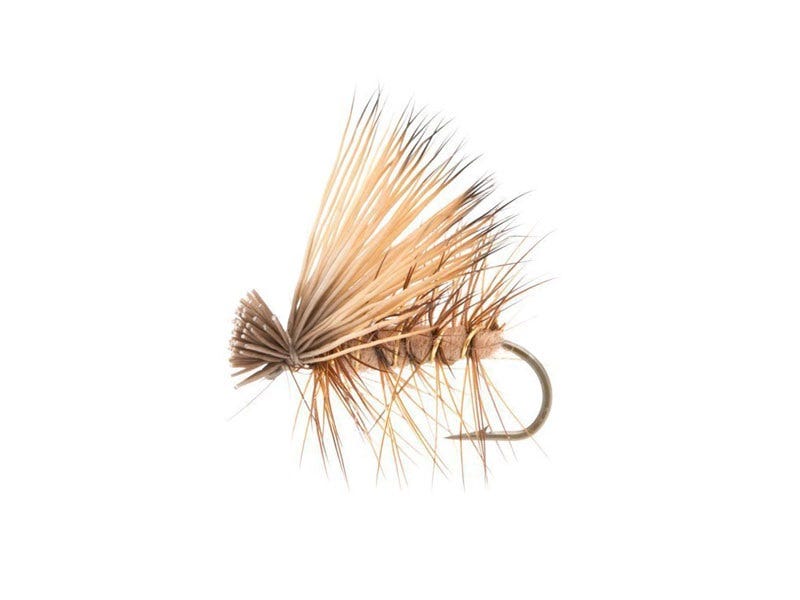
The Elk-Hair caddis is a standby in almost every western angler’s fly box. It’s one of the most productive patterns in the world and it can fool fish eating adult caddis, along with moths, which are a staple in a trout’s late summer diet. This pattern floats well due to dry-fly hackle palmered the length of the fly, as well as a generous amount of elk hair as the wing. The fly is easy to see and fairly realistic when viewed from under the surface. If you don’t head to the water with at least a half-dozen of these bugs in your boxes you’ll miss out.
Read more about Fly of the Week: Elk Hair Caddis5 Min -
 Posted: May 10, 2018
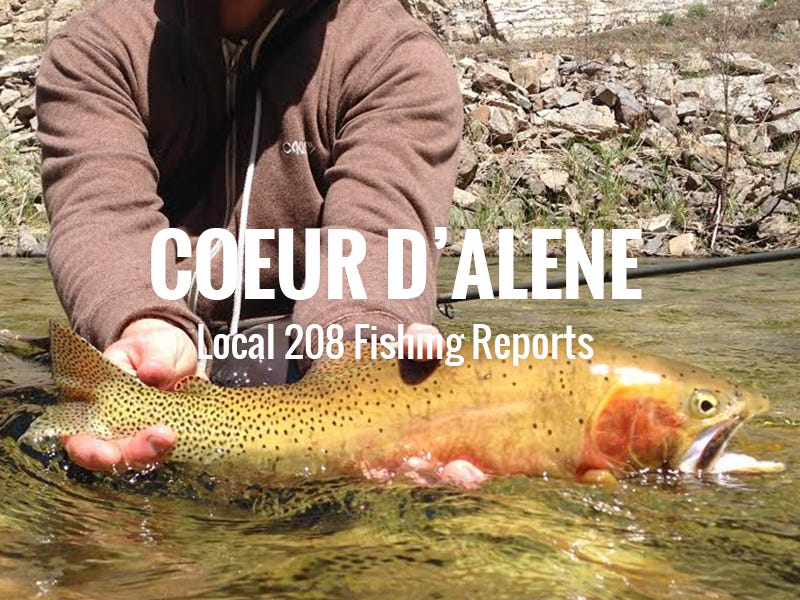
Coeur d'Alene River Flow 13,700 cfs and dropping. Well it's not a great option now guys but in 7-8 days we may actually see a fishable level of about 5,500 cfs. Now this is very up in the air as we may see a storm come through by then, but there is a slight light in the tunnel. At 5,500 the river is still a bit high for wading but a far cry from where its at now. So hang in there and shouldn't be too long and will be throwing dries to big fat cutthroat. St. Joe River Flow 16,800 cfs and level. The Joe is big right now guys and like the Coeur d'Alene there is a possibility of a small window to float by the 20th. This may not pan out though with weather to come. Keep tabs on the flows via Northwest river forecast or USGS sites. If we get a flow below 7,000 cfs and it's dropping it should be fish awesome. Clark Fork River ...
Read more about Coeur d’Alene Fishing Report 05.10.185 Min -
Posted: May 10, 2018
Lochsa River The Lochsa and other rivers around the area are finally hitting the run-off stage. Check with us periodically and we’ll let you know when these streams return to fishable levels. Lakes and Ponds (ID & WA) If you're antsy to get out and don't mind having a little traffic, you can try fishing Mann Lake, the levee ponds near the blue bridge, and/or the levee ponds over at the west end of Clarkston, past the country club. At Mann Lake, the Idaho Fish and Game are stocking 6,000 fish between May 7-11. This will be a great opportunity to bend your stick and gather some research on how to catch fish. Great option for kids. These aren’t native trout rising to dries, but it is an opportunity to be out with the family and throwing a line. And, these stocked fish should be ready to eat. Flies that we would use are a Woolly Bugg...
Read more about Lewiston, Idaho Fishing Report 05.10.185 Min -
 Posted: May 10, 2018
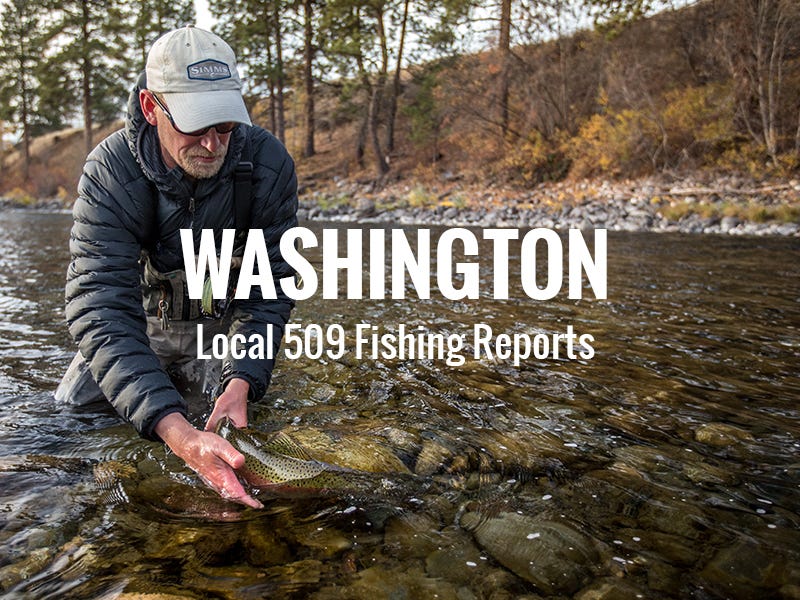
Chopaka Lake Every person has their own standards to measure a good day of fishing. So, the reports from Chopaka Lake are anywhere from great to so-so. The so-so would be catches under 20 fish for the day and the great would be well over 20 fish. Campground considerations for this weekend look worry free—plenty of room! But, that could change now that the Callibaetis hatch is, by some estimations, only one week away. Meanwhile road conditions are improving though some careful mud hole maneuvering is necessary as you crest the grade, heading into Chopaka basin. As of late, black size 14 chironomids have been seeing the most catches. I'd be on the lookout for the mayfly hatches to start soon though since our temps have been consistently hitting 80 the last few days. Leeches are becoming a distant second (or third) now in the trout food p...
Read more about Eastern Washington Fishing Report 05.10.185 Min -
 Posted: May 10, 2018
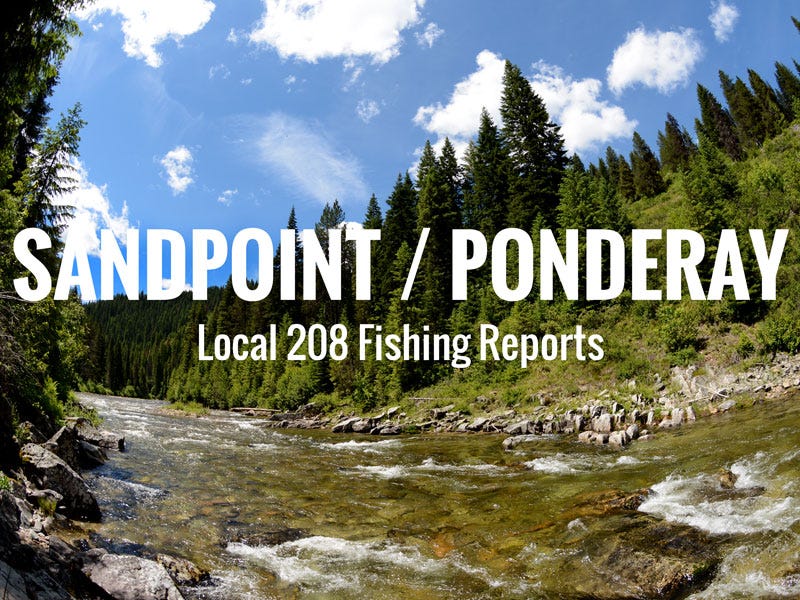
Clark Fork River (ID) Flows out of the Cabinet Gorge Dam are currently 94,300 cubic feet per second with maybe one foot of visibility. This river is dangerous and unfishable from boat and shore. Lake Pend Oreille The lake is steadily on the rise due to spring runoff. Water clarity ranges from two-to eight feet of visibility depending on where you are. Surface water temperatures are anywhere from 45-56°F. The northern pike have finished spawning, but still remain in the same sloughs, bays, and flats. Concentrate your time fishing for pike in three to eight-feet of water with a floating line. Try flies like a red Jacknife, Tinsel Town, or yellow/red Pike Slider. The bass are still in pre-spawn, but each 70°F day brings us a little closer. A lot of the smallies are staging in three-to 10-feet of water, searching for a hardy meal before th...
Read more about Sandpoint/Ponderay, Idaho Fishing Report 05.10.185 Min -
 Posted: May 10, 2018
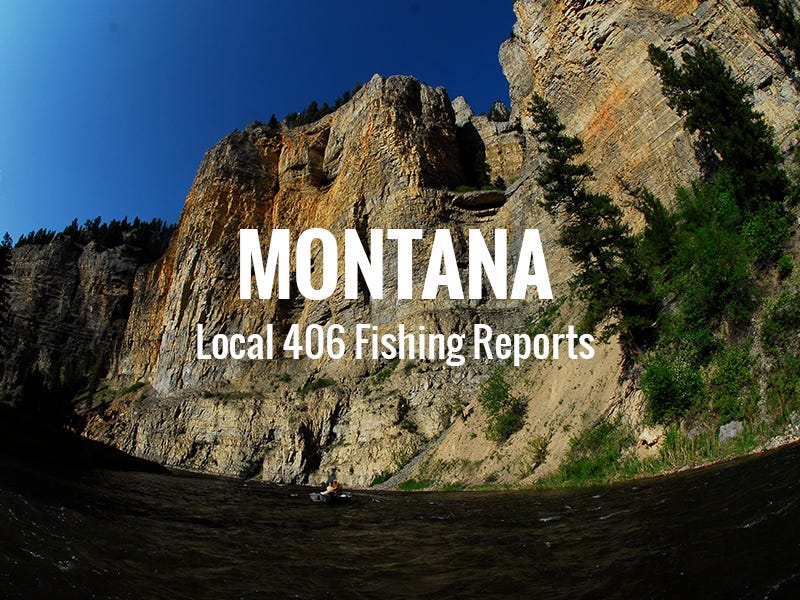
Missouri River, Montana Fish like water and that’s a good thing, because throughout Montana, rivers and streams are full of it. Many flowing waters are currently pumping mud and some are spreading beyond their banks. Fear not. Eventually, the flows will drop, the waters will clear and the fishing will be really, really, good. On the Missouri, it’s time to employ high-water techniques. That basically means you fish where the water is not too fast and not too deep. In deep, colored water fish don’t see well. They will see your flies much better in the three to five-foot deep realm. Sometimes, the fish may even be shallower. Nymphs It’s primarily a nymphing game for most folks right now. You can’t go wrong fishing a worm or even a double worm rig. The primary combinations are to run a worm and a scud/sowbug, like a FB Rainbow Czec...
Read more about Great Falls, Montana Fishing Report 05.10.185 Min -
 Posted: May 08, 2018
If you’re interested in fly fishing and fly tying and you want to learn the from the best anglers and tiers in the Pacific Northwest and beyond, you better get to the North Idaho Fly Fishing Expo this weekend at the Red Lion in Lewiston, Idaho. The North Idaho Fly Tying Expo (NIFFE) runs on May 11 and 12, beginning at 9 a.m. each day. On Friday the 11th the show closes at 4 p.m. On Saturday, the show 6 p.m. but a banquet and live auction, with multitudes of ideas to be raffled, begins at 5:30 p.m. Make sure your checkbooks are in hand and your wallet is fat because you’ll get a chance to own some primo equipment at deep discounts. The Event There are a handful of opportunities to take advantage of while viewing the show. One of the major components is the fly tying demonstrations and seminars. There will be around 40 tiers from the ...
Read more about This Weekend: North Idaho Fly Fishing Expo In Lewiston, Idaho5 Min -
 Categories: Home & GardenPosted: May 07, 2018
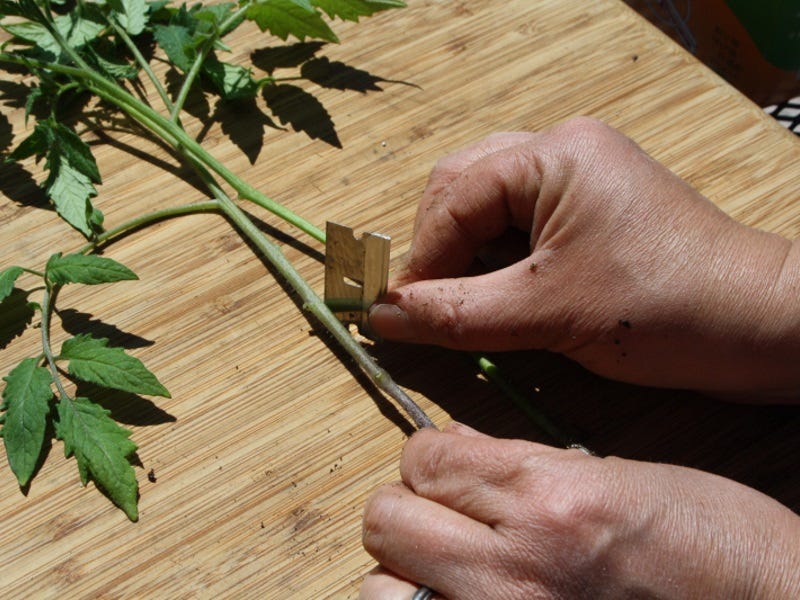
Anytime there’s a chance to grow bigger and better tomatoes, I’ll grab it. Years ago I learned about grafting them as a way to raise longer season varieties in our short season climate, which was a big benefit in my eyes since so many of the larger tomatoes are better suited for regions with over 85 days of warm growing season. We might have that in the total season, but it’s rarely optimum tomato growing weather during the entire time. Grafting also provides an increased level of disease resistance, especially to Fusarium and Verticillium, which particularly plague heirloom varieties that do not have resistance bred into their makeup. The good news is besides disease resistance, the plants demonstrate increased production with many growers claim up to a 40 percent greater harvest. From commercial growers to the home garden Grafting...
Read more about How To Graft Tomatoes for Increased Yield and Disease Resistance5 Min