
Page 120 - North 40 Outfitters

-
 Posted: July 08, 2016
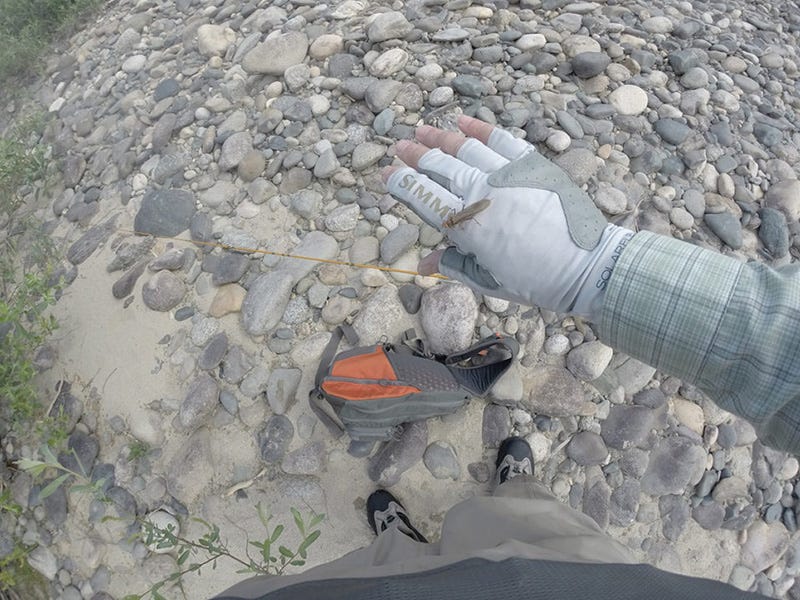
Got a chance to hit the Methow River for the day and decided to run through some of the new flies in the shop. Starting off with some of the Fulling Mill flies, my first fly was a Slum Hopper in brown. There were plenty of stone flies around, but since I didn't bring any myself, this fly came close to size and color. On my second cast, I saw the rise and take from a nice cutthroat, but it got away after a brief moment. Well that worked, so I tied on a Moodah Poodah in olive. After about 10 minutes, I had a take from a smaller rainbow that stayed buttoned until I got it to the net. I switched over to a red Dirty Hippy from Umpqua. I moved down to the next section, started at the head in the broken water and had a take after about 4 casts. This was another small cutthroat of about 10". I switched out to a 409 from Umpqua and continue...
Read more about Methow River Report 7.7.165 Min -
 Categories: Farm to TablePosted: July 08, 2016
There's been a shift lately in people interested in farming. In recent years, consumers have been driving a change in the produce market by demanding to know and understand where their food comes from as a result, there's been an explosion in the demand for "organic" produce. Urban farms and co-ops have also seen a dramatic increase in participants and interest. Another impact of the organic shift? Urban farms and co-ops have seen a dramatic increase in participants and those interested. And that's where Prairie Heritage Farm comes in- "I don't come from a farming background in fact, I didn't really get into it until my early 30s," says Jacob Cowgill, co-owner with his wife Courtney. "I'd interned on a vegetable farm, and a larger scale organic operation up north. When we wanted to start our own farm, the easiest point of entry seemed t...
Read more about What's a 30-Acre Organic Farm Look Like?5 Min -
 Posted: July 08, 2016Comments: 5
Pictures of hog browns, brightly colored cutthroats, and healthy rainbows certainly get a guy excited to go fly fishing. But what if I told you that there is one particular species that is so often overlooked that you can consistently have epic days with aggressive takes and energetic fights? And what if I told you didn't have to travel hundreds of miles? Interested? Of course you are. I am here to tell you that you need look no further than fishing smallmouth in Lake Pend O’reille. Our fishery here on Lake Pend Oreille is greatly under fished when it comes to fly fishing for smallmouth. There are certainly some considerations to think about when fishing for smallmouth, but if you keep reading, you too will know how best to fly fish for smallmouth on Lake Pend O'reille. Structure, Structure, Structure: Fish for Bass by Structures...
Read more about How to Fly Fish for Smallmouth Bass in Lake Pend O'reille5 Min -
 Posted: July 07, 2016
Once again, I am left driving away from Lake Cocolalla wondering, "Why don't I fish this lake more often?" The weather was cloudy the entire day, with temperatures in the upper 60s. When we first arrived, there was a steady south breeze that seemed like it wasn't going to let up. To my surprise, the wind almost completely stopped around 1pm, which allowed for a little dry fly action if you were ready for it. For the most part, I stuck with a #8 Brown Crystal Bugger, and had great success. Between the Largemouth Bass, Perch, Crappie, and Trout, I probably finished the day landing roughly 15 fish. My catch of the day was a beautiful 21" 3lb rainbow I caught in 4ft of water with my brown crystal. Shortly after the pictures, I caught a beautiful 2lb Largemouth. This is a perfect example of how you truly don't know what you are going to catch...
Read more about Lake Cocolalla Report 7.6.165 Min -
 Posted: July 07, 2016
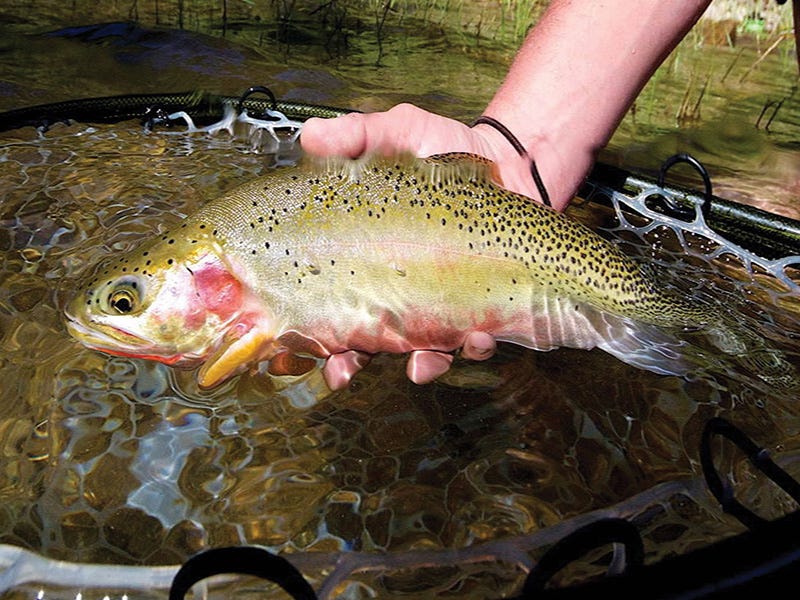
Trout Streams: Our local trout streams have more or less hit their mid-summer stride. Most river flows will show a steadily dropping trend. That being said, the next couple of months may be the best of the year to spend time on a trout stream and escape the valleys mid-summer heat. Check out Current Water Temps and Flows Here Stones: Golden stones, Yellow sallies, Mays: PMDs, Brown Drakes, Green Drakes Caddis Terrestrials: Ants, Beetles, Spruce Moths, Hoppers Fly Recommendations: Copper Johns , Lightning Bugs, Prince Nymphs, Micro Stones, Pats Rubber Legs, Explosion Stones, Lucent Prince Nymphs, PMD Crawler, Birds Nest, Tung. Caddis, Flashback Hares, Split Case Pmd, Shimmer Nymph, Partridge Caddis, Tungsten Terminator Stone Humpies: Red, Orange, Yellow, Royal; Renegades, H&L Variant, Adams, Purple Haze, Purple Para ...
Read more about Lewiston River Report 7.7.165 Min -
 Posted: July 06, 2016
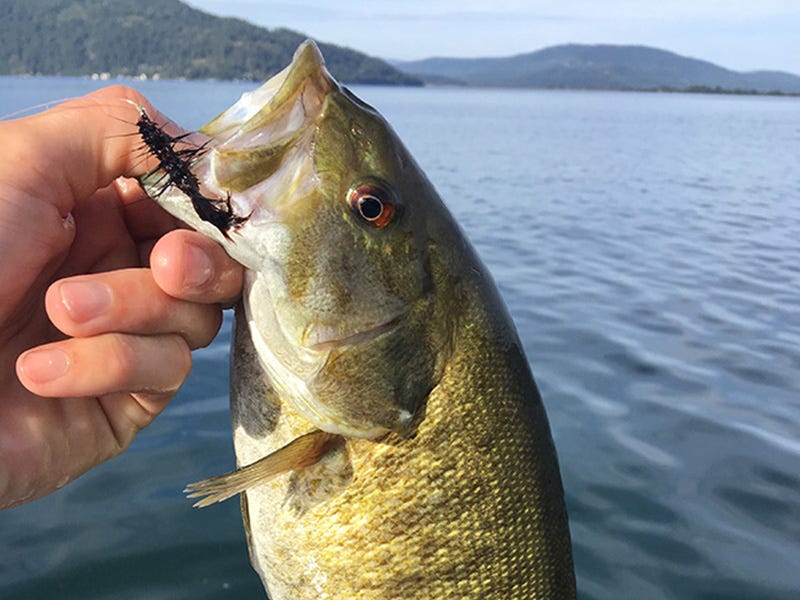
At Lake Pend O’reille, with the warm weather increasing everyday, bass fishing is slightly slowing down. Most fisherman can go out anytime, and continue to hook into 1-2 lb. smallies, but the 3 lb+ Smallmouth are feeding early. I have been getting on the water around 5:30am, and have been having the best action from 6-7:30 am. My biggest bass of the year I measured at 20 inches, and I caught him at 7:10 am. Unfortunately it wasn't on my fly rod, but it was still a rush to put it in the net. My go to flies now are simple #8 brown or olive woolly buggers. The bass seem to be more concentrated on hexagenia nymphs rather than large helpless bait fish. This isn't to say that a mad smallie won't slam your #4 chartreuse clouser, I have just been having better luck slow stripping a juicy bugger a couple feet from the bottom. The larger bass...
Read more about Lake Pend O’reille Report 7.6.165 Min -
 Posted: July 05, 2016
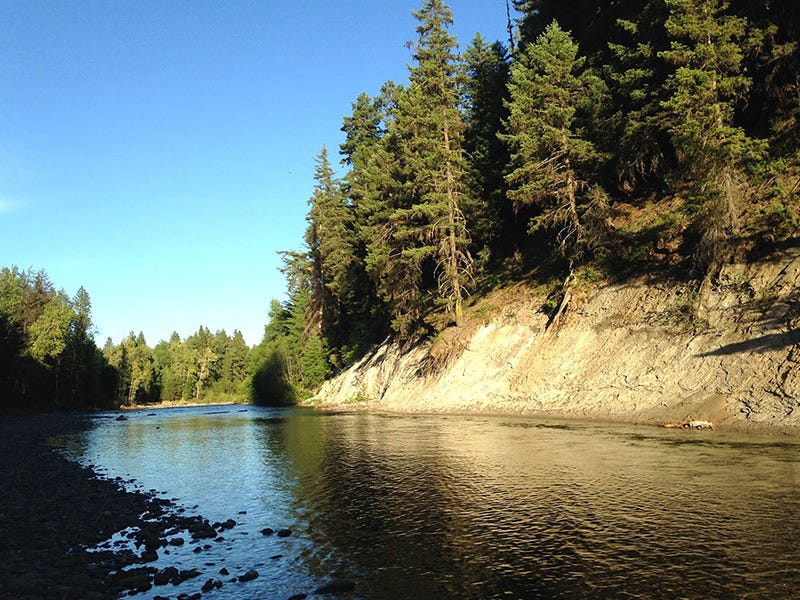
Your Favorite Hidey-Hole Fly Anglers: it's time to wander your favorite hidey-hole creeks in central Washington - before it’s too late! I took a walk along one of my favorite tributary on Sunday and found some hard-fighting Westslope Cutts still around. As you all know, fly fishing is not rocket science on many of our small streams: that's what's so great, right? Equipped with some old faithful patterns like Elk Hair Caddis, Stimulators, Humpies and Adams, you can often bet you'll come eye to eye with one of these beautiful fish. That is, unless you're fishing this little Eastern Cascade gurgler... I try to hit this stream before the 4th of July every year because of the peaceful scenery and larger (smarter) than average Cutts. The experience of serenity never disappoints but, sometimes the fish do....This year, I finally duped a ...
Read more about Central Washington Creeks Report 7.4.165 Min -
 Categories: Pet & AnimalPosted: July 04, 2016
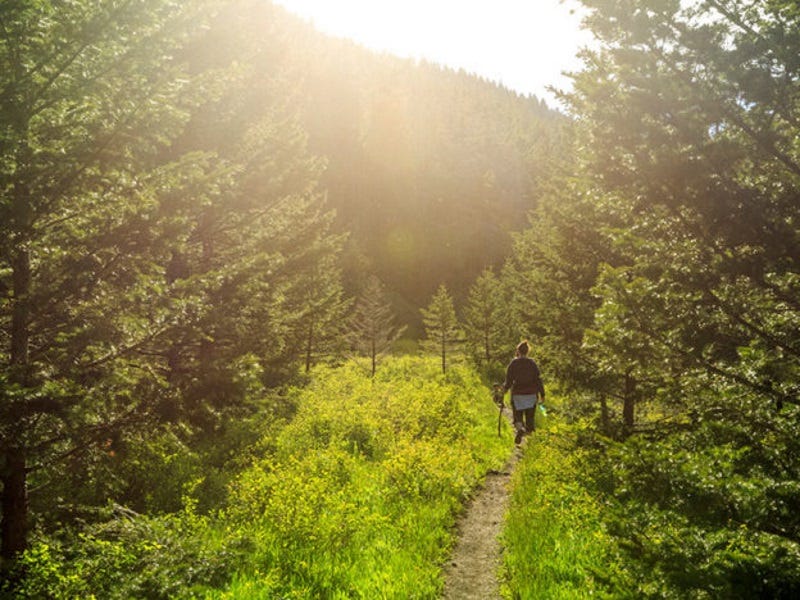
You already think about your dog's needs: you buy them food, toys, sometimes clothes... But what about ticks? Ticks are a severe irritant to your dog, and sometimes can cause diseases. So how can you keep your dog safe when you are out gallivanting around the country? Identify Tick "Time & Place" In the Northwest, ticks come out in force during the moist/warm spring months and anytime it's been rainy. That means starting around May or June, or if we are having a wet summer--you need to be ready to protect your dog from these 6-legged little beasties. Contrary to popular belief, ticks don't "climb trees" and then jump on you. In reality, a tick's favorite place is 18-24" above ground (it's called "questing" when they climb to that height- so that means tall grass and the shrubbery where you hike. Yikes. Looking for dog food, puppy tre...
Read more about 3 Steps to Prevent Ticks on your Dogs in the Northwest5 Min -
 Categories: Pet & AnimalPosted: July 04, 2016
Well, chances are if you've landed on this page, you probably missed the most important part of dealing with ticks: How to Prevent Ticks- and you've probably just got back from a place where ticks love to live. Here is how you identify, locate and remove ticks from your furry family member. Identify a Tick problem Ticks like warm damp places between the toes, along the groin and especially in the ear canal. So if your dog is shaking his head or gets lethargic, you need to check for ticks. The #1 way to know if your dog has ticks? If you see one inside your home! Don't treat the appearance of ticks as a "one off" thing ticks are like roaches, if there's one, there are probably more. The best way to be sure you and your dog are tick-free is to do a full body tick-check. Looking for toys to keep your furry family member occupied? Look no f...
Read more about How to Check for & Remove Ticks5 Min -
 Categories: Home & GardenPosted: July 03, 2016
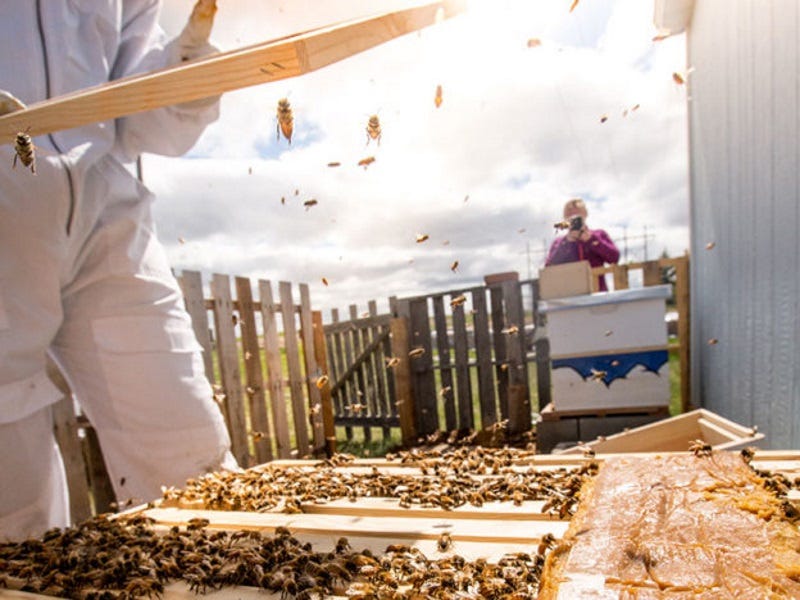
Honey bees communicate using vector calculus and directional- mamba!! A forager uses dance to communicate the position of nectar sources she discovered. If the dance is in straight lines towards the upper part of the hive, that means the flowers or source of food can be found by following the sun's position. If the dance is downwards, towards the bottom of the hive, that means the flowers will be found by traveling away from the sun. If the bees dance left or right, that will indicate the direction of the blooming nectar source- in relation to the sun. For instance, a 45° angle to the left of the hive's top will indicate a corresponding direction to take towards the sun and find flowers. The duration of the bee's dance and the amount of vibrations in that dance describe exactly the proximity of the nectar source from the colony- ...
Read more about The Science of Bees: How they Communicate & Influence Biotechnology5 Min -
 Categories: Home & GardenPosted: July 03, 2016
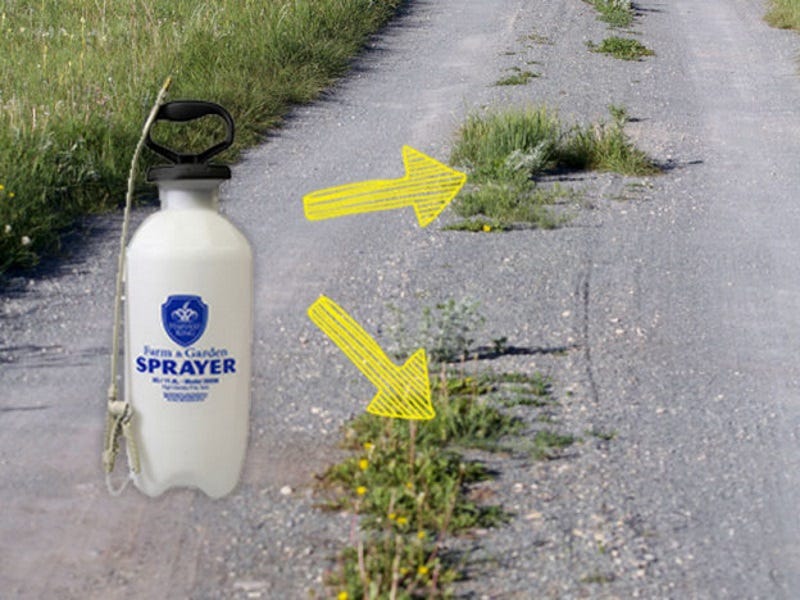
Not all herbicides are created equal. There are a lot of options to choose from when shopping around for weed killer. Many of them claim to kill weeds but we have found that some do it better than others. Using years of experience and the advice of industry leading experts, we identified the specific herbicide ingredients that seem to produce the best results. No more reading labels for general information. Identify these main ingredients and you will be sure to have fewer weeds and a healthier lawn. Before starting make sure you know what type of weed you are trying to target. Learn how to quickly identify weed types and why it is important here. Herbicides for Common Broadleaf Weeds Broadleaf weeds like dandelions, clover and plantain are usually easier to identify that grassy weeds, and that's a good thing because if you try to trea...
Read more about What is the best weed killer? Best Herbicides To Use Based On Weed Type5 Min -
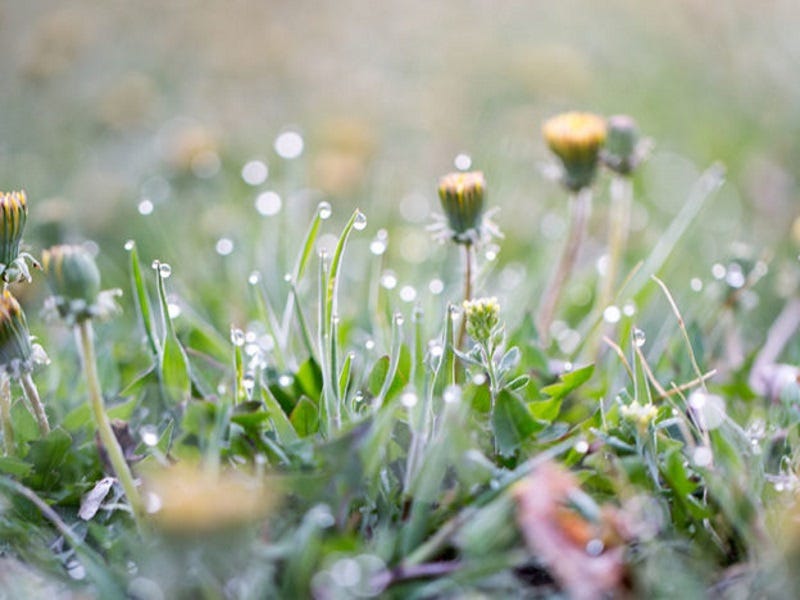
You just bought weed killer, and now you want apply it. Awesome. But, did you know if you apply your weed killer at the wrong time, the weeds will live, and you'll need to buy more weed killer. Also, applying weed killer incorrectly could also result in brown patches burned into your lawn. Sound scary? Don't worry, we've got some simple steps to help you get the most out of your herbicide. Note: Make sure you know how to identify your weeds so you can choose the right product, and then, make sure you chose the best herbicide based on what type of weeds you have. 1. Time your Application- By checking for rain! Most liquid application herbicides have a surfactant already in place- this is a chemical that will help it stick to the foliage of the weed you are trying to kill. However, even with that chemical bonder in place, your weed killer...
Read more about Killing Weeds: Best Practices for Applying Weed Killer5 Min