
Page 65 - North 40 Outfitters

-
 Posted: April 03, 2018
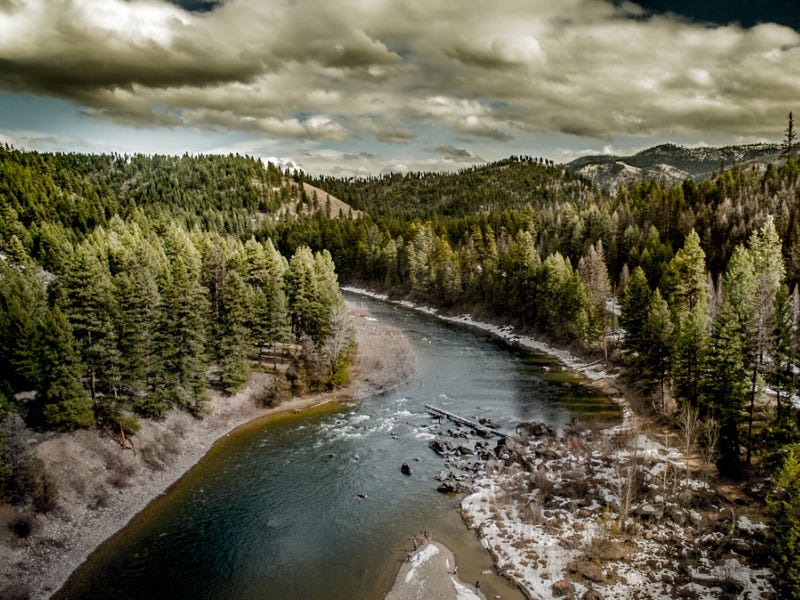
by Joe Cummings Forgoing the Skwala Each March and April a fly-fishing spotlight shines hotly on western Montana’s Bitterroot River. The “promise” of voracious trout wildly spree-feeding on floating mats of freshly hatched skwala stoneflies lure bleary anglers from their fly-tying dens in desperate attempts to shake the dreaded shack-nasties. These hollow-eyed zombies are looking for dry-fly salvation. And you can’t blame them. But that enthusiasm often creates an armada on the river. Wade anglers add to the mix. Due to that pressure, the Bitterroot’s dry-fly action has become hyper technical, with leaders getting longer, and flies smaller. Timing the weather also has become crucial to getting some legitimate spring action on top. When the stars align, anglers count their days as some of the best of their lives. Other times, th...
Read more about Skip the Root5 Min -
 Posted: April 02, 2018
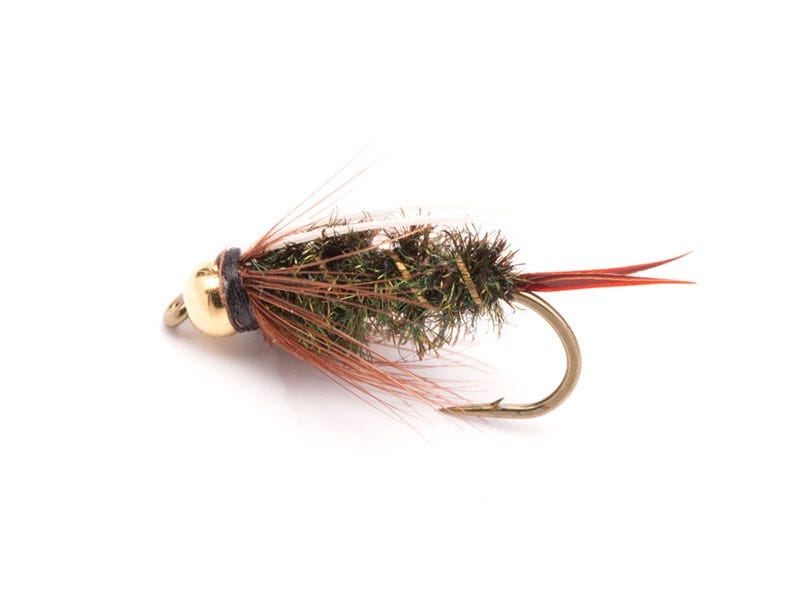
The Prince nymph is one of the best selling flies of all time and you can find it in every western fly shop for a reason—it works. This pattern is one of what I call the Big Three, meaning the three top-selling and go-to nymphs for western fly fishers. The other two are the Hare’s Ear Nymph and the Pheasant Tail Nymph. The Prince doesn’t match any bug specifically, but it matches several in a subtle way, which is sometimes the way trout want it. Fished in lakes and tailwaters, a small Prince, say a size 16, is a decent match for scuds, which are freshwater crustaceans. Fished in freestone rivers, the Prince is a decent match for a variety of stoneflies and caddisflies. Buy it or tie it in sizes 4 through 12 to match stoneflies, and sizes 14 through 16 to represent caddis. A size 16 or 18 matches scuds. The Prince Nymph originated i...
Read more about Fly Of The Week: Beadhead Prince Nymph5 Min -
 Posted: April 02, 2018
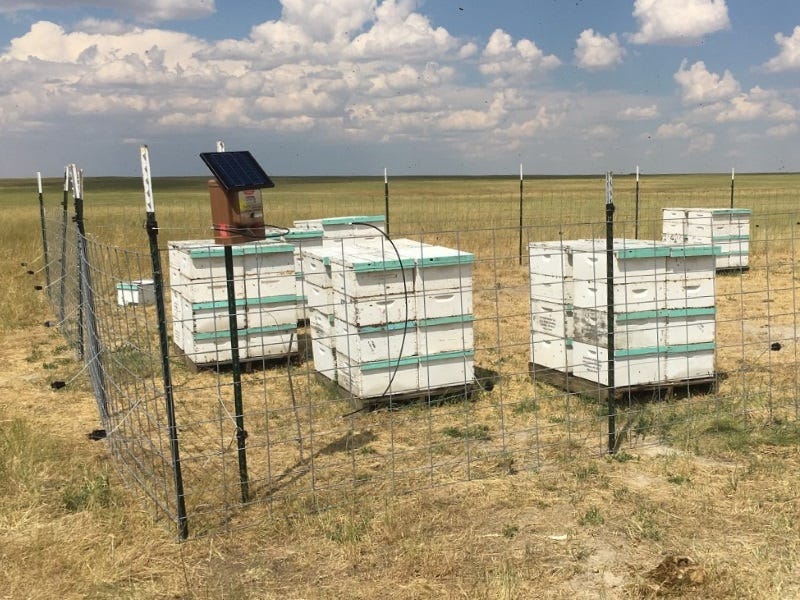
Photo courtesy of Alex Few of Wildlife Services My first bee venture started decades ago when I kept a few hives at my home outside of West Glacier, Montana. I knew bears could be an issue, but lived in denial and enjoyed trouble-free hives for several years. I should have taken the grizzly licking my barbecue grill on my porch one night as a clue that I needed to be proactive, but the bear destroyed the hives before I could pound a t-post. That learning experience made it clear that all bee yards should be fenced in bear country. Bears looking for an easy meal With more people keeping bees in bear country, it’s important to understand that having a bear destroy your hives not only ruins the colonies, it potentially sets up the bear for future trouble. They are ruled by their stomachs and unprotected hives are veritable bruin bento box...
Read more about Protecting Your Bees From Bears5 Min -
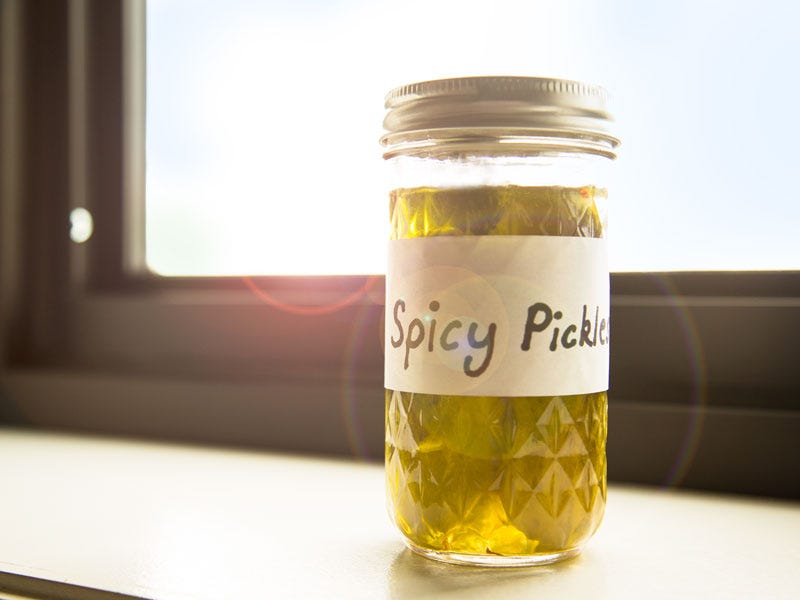
So... you grow (or are thinking about growing) cucumbers in your garden this year... well, congratulations, you just struck internet gold. This is the world's best spicy pickle recipe for water bath canning cucumbers that has ever been created by man (okay, this was voted on by one content creator who is wildly biased towards the recipe... considering he made it up--but that's beside the point)! "What's water bath canning," you innocently ask... read this complete guide to water bath canning I respond (knowing you will spend hours reading it). One of the joys of taking all the time to learn to grow, and successfully growing, your own food is actually eating the produce you produce. One thing you'll realize when you're growing food is the AMOUNT of food your garden actually produces... it's a LOT. For instance, take the garden cucumb...
Read more about Water Bath Canning: From Cucumbers to the World's Best Spicy Pickle5 Min -
 Posted: March 30, 2018
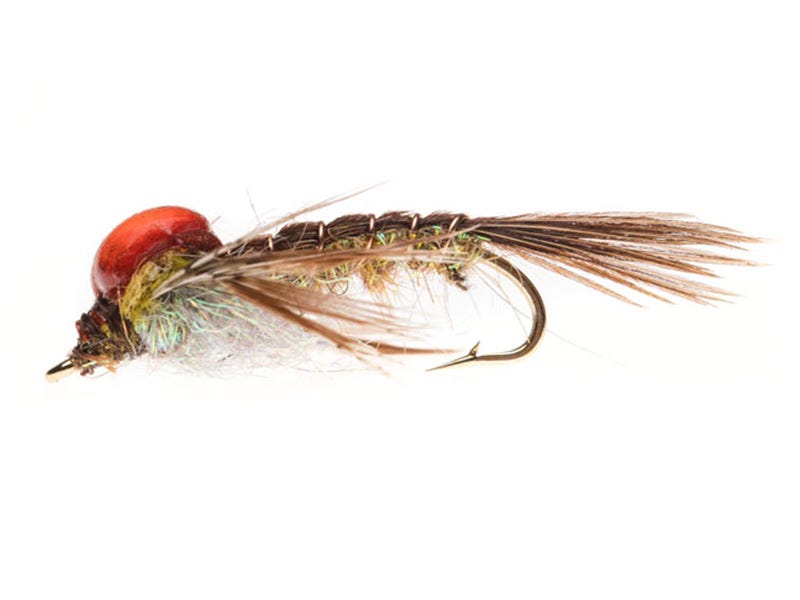
The Green Drake Floating Nymph is my go-to dropper when the drakes are out. These bugs usually start popping around mid-to late in the afternoon in the spring, meaning any time from June through July. I'll run a larger drake as my lead fly and put this pattern behind as my dropper. This bug is killer—it’s really designed to sit mid-surface and not sink. When the fly gets wet the hares-ear dubbing and the wire tied into the abdomen helps the rear portion sit lower, giving the fly a realistic posture. The foam back holds the fly up in the surface and makes it look like a struggling nymph ready to hatch. At times this floating nymph will outfish a dry and you really have to pay attention to the dropper, or at least have an idea where the dropper may land in relation to your dry. The fish may take this fly in a subtle fashion, so the tak...
Read more about Fly Tying Video: Green Drake Floating Nymph5 Min -
 Posted: March 29, 2018
I got out for two great floats recently. While neither day provided any dry-fly action, day one was super productive on nymphs and day two was very good with streamers. I missed the good dry fly action last week by a couple of days, but I could not be happier with being on the water and catching fish without freezing. Our weather has been barely spring like and we’ve got another nasty cold front to endure this weekend. Come on spring! The Mo is ideal for wading right now and should be for some time yet. If you are not a boat angler, you need to get some licks in before the higher flows come down. Don’t let April pass you by. Drift it where they live Water temps, in the high 30’s, are warm enough to get the fish chomping, but not where they need to be for our much anticipated BWO’s. Once we crack 40, it will be bug time again. For...
Read more about Great Falls Fishing Report 03.29.185 Min -
 Posted: March 29, 2018
Coffee Pot Lake Our own Steph Avena stopped off at Coffee Pot Lake the other day to check out the action. He was able to fish from shore for an hour or so, but came up empty-handed. From talking to a few of the other anglers coming into the boat launch he was told most of the action was at the other end of the lake. Without his boat he couldn’t get out there to check it out himself. Leech and buggers were the patterns of choice that day. Yesterday, one of my good customers, Dick Snow called me and reported he had spent a few days fishing Coffee Pot last week and had a great time. He told me every day were double-digit catches for him with nice fat rainbows. I asked if he had to fish the far end of the lake and he told me no, he had his best action close to the boat launch. It just goes to show you how things can change one day to the n...
Read more about Omak, Washington Fishing Report 03.29.185 Min -
 Posted: March 29, 2018
Coeur d' Alene River Flow at Cataldo is 3,280 cfs and on the drop. After a bit of rain and a small bump in the flows, things are still fishing well. This may not last long folks, as we are expected it to get a bit warmer. If it doesn't rain too much we should be okay, but get it while it's good. Nymphing and streamer fishing are going to be good. Tandem stonefly nymph setups will do well. San Juan Worms will get a lot of attention too. Twenty-inchers, Prince Nymphs, double bead stonefly nymphs all great choices. There is some dry-fly activity as well. The Skwalas are just now starting to show up, Nemouras, too. So, small olive or black Stimulators for the Nemouras, or come by and check out our Skwala selection—we have a bunch to choose from. A size #8 or #10 olive Chubby Chernobyl will work for the Skwalas, too. ...
Read more about Coeur D’Alene Fishing Report 3.29.185 Min -
 Posted: March 29, 2018
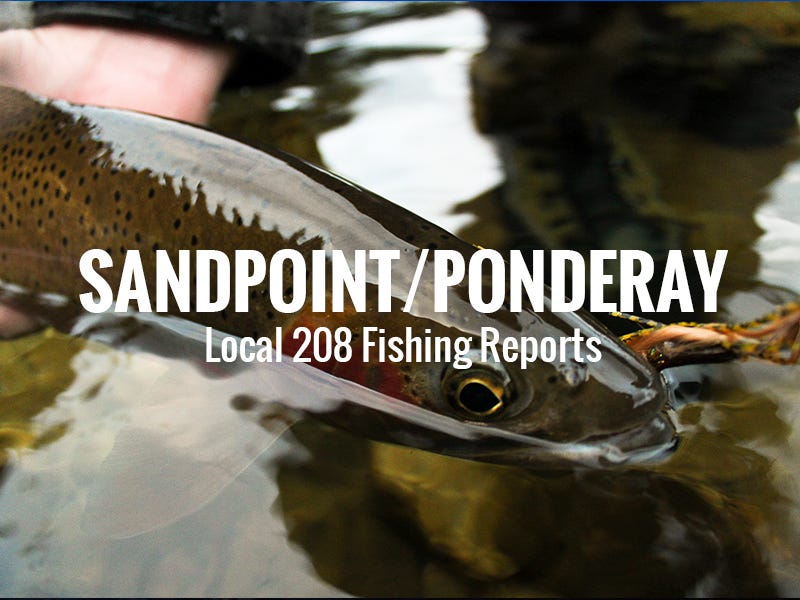
Clark Fork River Flows have been bouncing up from 6,000 cfs to 35,000 cfs at least once a day. Water clarity is great, but there is a slight stain to it. There hasn’t been much in terms of hatches other than midges. Nymphs have been the most successful way to fish. Rig a double nymph rig of flies like #8 Pat’s Rubberlegs, #12 red Copper John, #18 Green Machine, or #10 pink Squirmy Wormie. The Cutthroat are still feeding in slower moving deep runs where they don’t have to exert a lot of energy. If you are into swinging, bring your sink-tips, and tie on a #8 olive Slump Buster, #6 black Baby Gonga, or a #6 olive Woolly Bugger. Fishing is best when flows are at their lowest, so keep an eye on the flows available at https://waterdata.usgs.gov Lake Cocolalla The lake is finally starting to open up! Last I heard, the north side of the la...
Read more about Sandpoint/Ponderay Fishing Report 3.29.185 Min -
 Posted: March 29, 2018
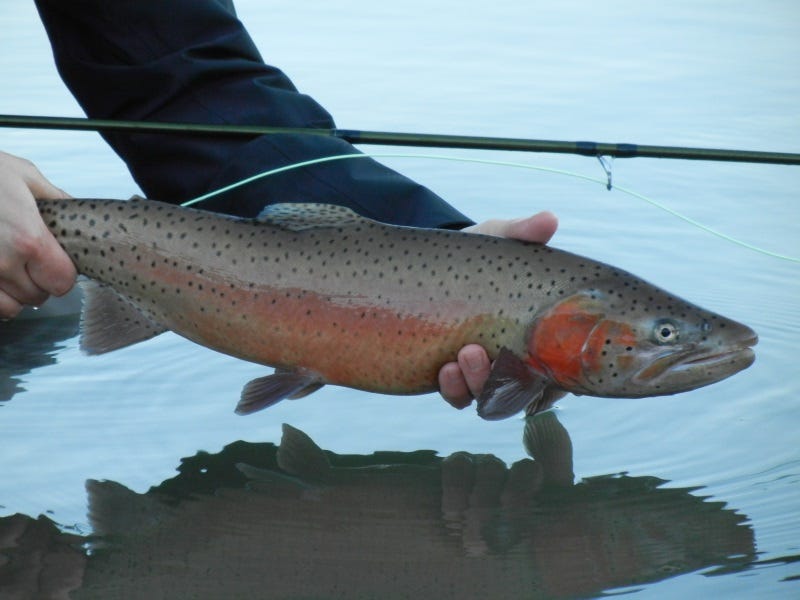
Building a rod quiver to effectively fish Northwest stillwaters can be mildly confusing. Many accomplished anglers have very specific ideas on rod performance, which is understandable considering the variety of techniques to catch fish in lakes and reservoirs. Generally, we experience two trains of thought. First, we want the most diverse tool for the job, the “Do-All” theory. Second, we want the specific tool needed to make the most of a situation, which is the “Specialist” theory. Following, I have suggested to sticks that would suffice in either of these categories. And, armed with any of these, your stillwater success should be grand. For the “Do-All” camp, the choice was difficult because so many rod manufactures build a similar profile rod and spec. After all why wouldn’t they? It’s a “Do-All” rod; the same re...
Read more about The Two Best Rods to Fly-Fish Northwest Lakes5 Min -
 Categories: Home & GardenPosted: March 29, 2018
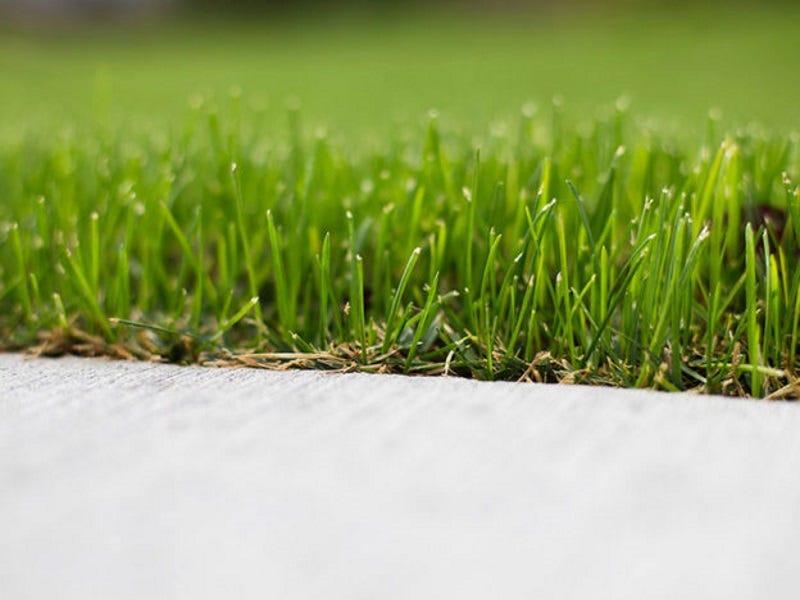
When it comes to seeding grass, there are things you should do... and things you shouldn't. These following 5 things will help you better prepare your lawns for the spring. Don't be caught with a patchy lawn... read our N40 eMag:Lawn & Garden Edition here. 1. Soil temperature must be 51 degrees to maximize germination. The seed bed should be worked up, leveled and then rolled or harrowed prior to planting to firm up the seed bed. 2. All broadcasted seed must be raked in or harrowed in at a depth no greater than ¼ inch. Seed to soil contact is very critical... as we have said before, "The Secret is in the Soil." 3. Grass seed must be watered on a regular basis to insure proper germination. Keep the ground moist until seed has germinated, then decrease the frequency and increase the time of watering. After fully established you s...
Read more about Top 5 Tips for Better Lawns5 Min -
 Posted: March 28, 2018
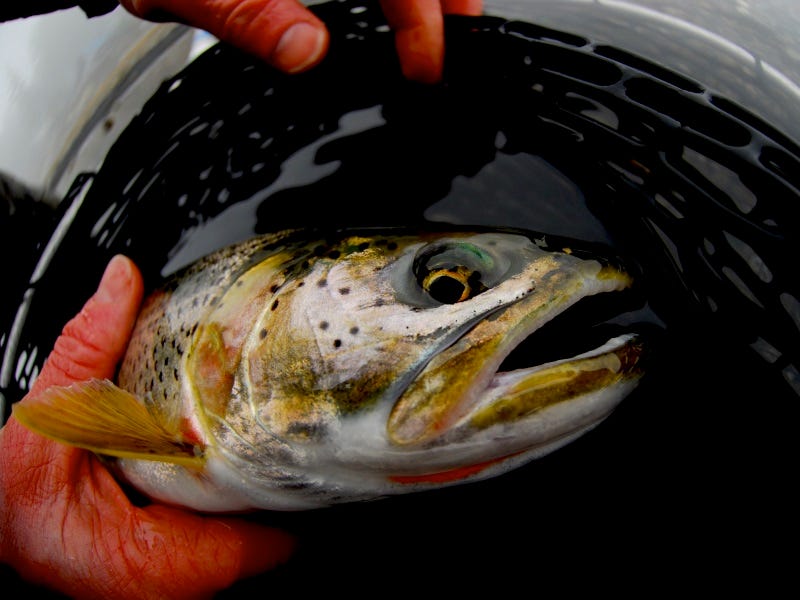
A beautiful coast sea-run cutthroat trout. WHAT WAS YOUR FIRST TIME FISHING FOR COASTAL CUTTHROAT LIKE? Bob Triggs: When I came here (from New England in 2000) I was keen to learn as much about these wild fish as I could. And before I ever caught one I had it in mind that they are a precious thing. I went down to a local beach on the bay with a five-weight trout rod and a few old-time cutthroat flies. I tied on a Knudsen's Spider, and began fishing the tidal currents as though I were fishing a river. It was an outgoing tide, maybe half way out, and the sun was low in the afternoon sky. I had only fished for a brief time when I caught that first fish. It was a very bright little trout, maybe 12 inches long, and I was amazed at how hard it fought. This fish is unforgettable for me. Up until that moment I had certainly caught thousands of f...
Read more about How To Catch Sea-Run Cutthroat Trout in Washington’s Puget Sound5 Min