
Page 114 - Blog
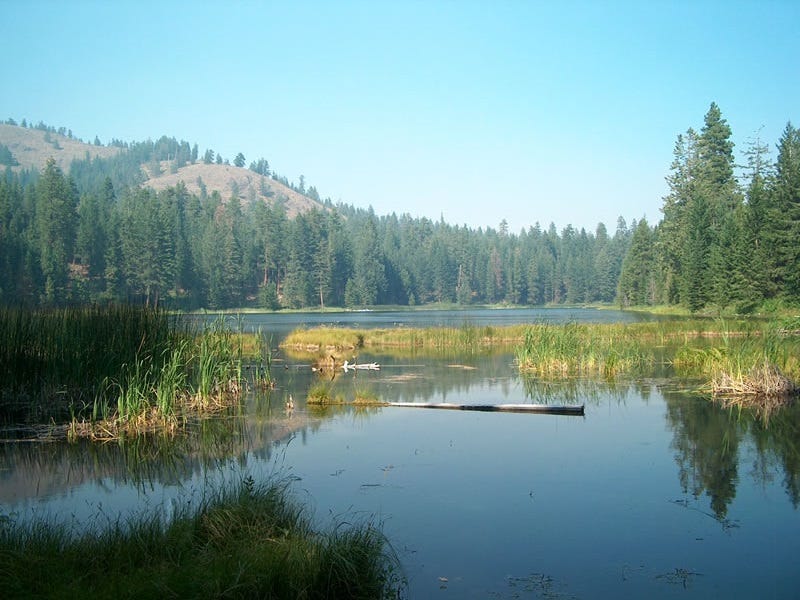
Tucked away, back in the hills of the Methow Valley, is a gem of a lake called Blackpine. Very few people fish it even though it’s surrounded by U.S. Forest Service lands. Blackpine is quaint and only 14 acres in size, which makes it a nice size to fish. It sits in beautiful country at 4,000 feet in elevation. Looking for some advice on buying stillwater fly rods? Surrounded by a mix of ponderosa pine and Douglas fir trees, Blackpine is shaded and cool, meaning it usually fishes better in late summer than lower elevation lakes. There is an improved campground and boat launch onsite. There are three ways to go to get to the lake. First, you could take Highway 153 just south of Carlton. The other two are west of Twisp, up off the Twisp River Road. One is the Poorman Creek road about 2 miles out of town. The next one is the Buttermilk Cre...
Read more about Omak Fishing Report: Blackpine Lake 8.21.2017North 40 Life
-
 Categories: Home & GardenPosted: August 18, 2017
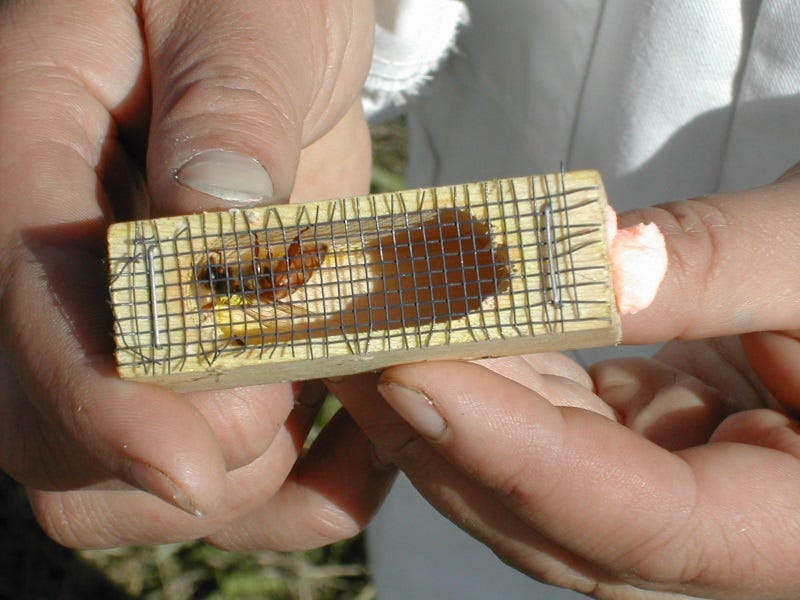
“As the dog days of summer grind on it’s important to not forget about the health of your apiary.” -- By Amy Grisak The honey harvest is fast approaching, and even though we might feel as if we’re celebrating the culmination of hard work throughout the season, the bees are beginning their new year. Keep ‘em cool Like most of us, honey bees need to stay cool when the mercury climbs above 90 degrees Fahrenheit. As a result, the dog days of summer can be tough on the colony. While most of us realize how winter temperatures impact hive health, it’s just as critical to moderate extreme heat events to keep the hive productive. Optimal brood rearing temperatures range between 91-97 degrees Fahrenheit. The bees expend a lot of effort, and significant resources, maintaining this level. Fortunately, we can ...
Read more about Bee Health: Summer Time Heat and How to Help Them5 Min -
 Posted: August 18, 2017
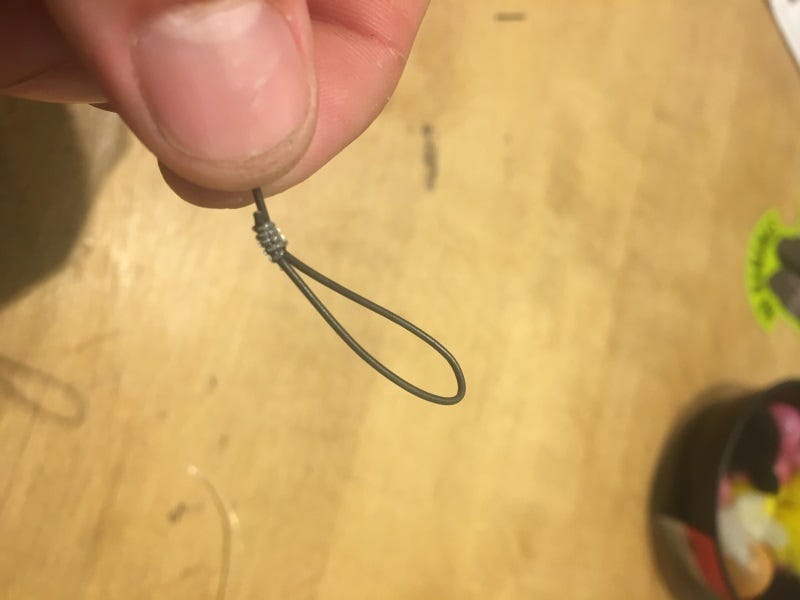
If you are like me and love to swing flies, you understand the importance of sink-tips. Some cast better with faster-action rods, while others are meant for the butter stick, meaning a super flexible glass or slowish-action rod. A particular sink-tip often is the key to reaching those finicky steelhead, salmon and trout that run deep. In the market for a new fly rod? Check these out. If you fish anything other than the correct sink-tip for the conditions you encounter, you won’t even touch them. Like other elements of fly fishing/fly tying, sometimes it is better to make your own sink-tips so that you get the exact results you’re looking for. Here are a few elementary steps I take when constructing my personalized sink-tips. Step 1: Choose your desired sink rate Most fly shops sell raw sinking line, which allows you to cut a tip to...
Read more about How To Make Your Own Sink-Tip Lines5 Min -
 Posted: August 17, 2017
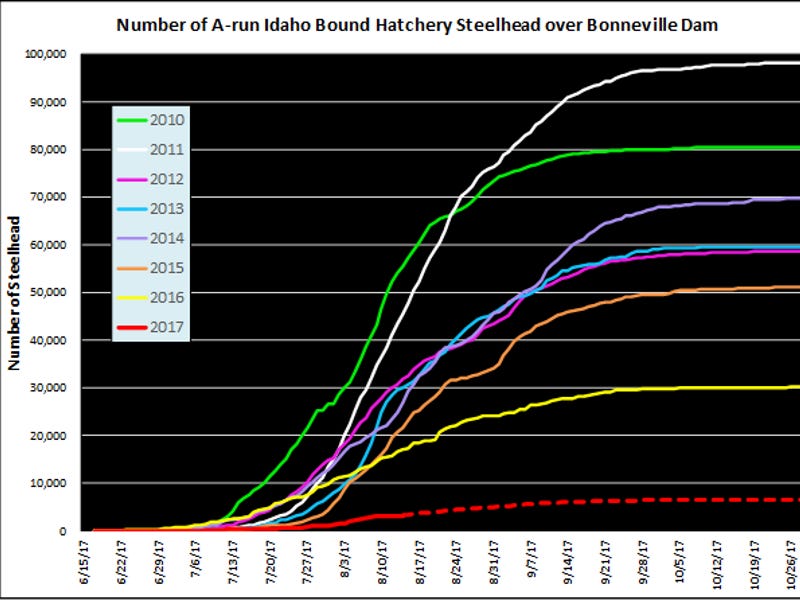
Image: courtesy Joe Dupont, Idaho Department of Fish & Game On Tuesday, Idaho Department of Fish & Game announced that steelhead fishing on all Gem-state waters will be limited to catch-and-release only beginning today, August 17. For those who enjoy eating steelhead, that is a big loss. But most of us, who would practice catch-and-release whether required by regulation or not, should be slightly pleased—despite low numbers of fish, at least we get to swing a fly if we choose to. Click here to explore our full catalog of spey rods. These closures were put in place because from June 1 through August 15 just 434 fish had made it over Lower Granite Dam. Historically, these are comprised of “A-run” fish that are headed to the Clearwater River’s cool flows. These fish like to hang in that cool water befo...
Read more about Catch-And-Release Only for Idaho Steelhead in 2017/20185 Min -
 Posted: August 17, 2017
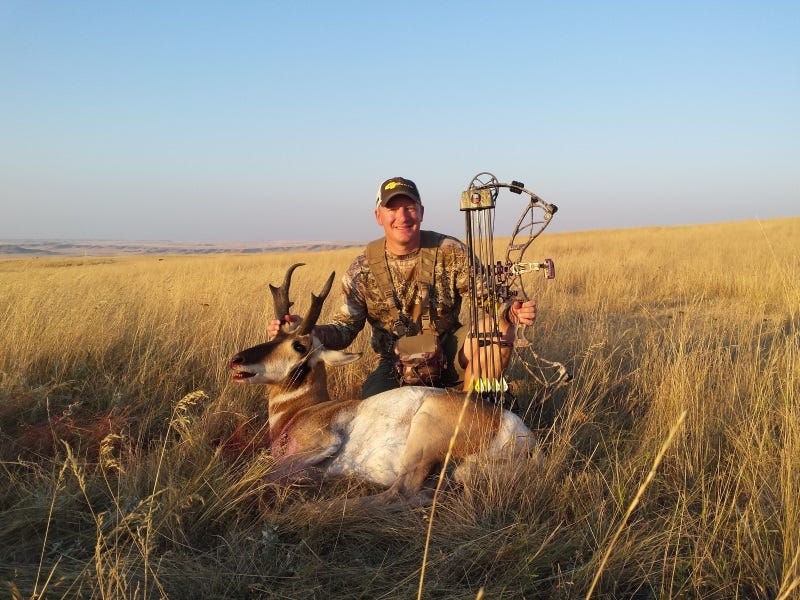
(2014 spot and stalk antelope) When I was young, I hunted pronghorn (more commonly referred to as antelope) with a rifle. That didn't last long. Being a bowhunting addict, I decided to try my luck with archery equipment. That very first season some 20 years ago, I was successful with a nice P&Y buck, and I've been chasing them with my bow ever since. And with archery antelope season opening on August 15th, it gives me a good 2-3 weeks of bowhunting prior to the general archery elk and deer season opener, making it the perfect primer for September and October. See our latest issue of our Hunting Buyer's Guide and check out our game cam deals -- a 2 pack for $99.95, or a camera & viewer @ $99.95. There are basically three methods for bowhunting antelo...
Read more about Bowhunting Antelope: How To Spot and Stalk Game5 Min -
 Posted: August 17, 2017
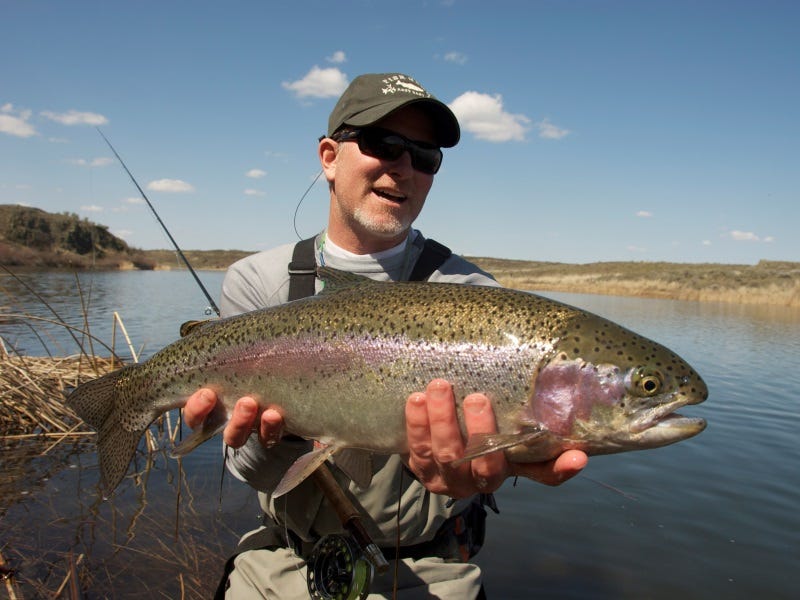
Longer, stillwater-specific rods may put more fish in your net. by Keith Roe Choosing the right rod for stillwater fishing is a topic that garners a lot of discussion. I have noticed that a fair number of stillwater anglers are quite content with the same weight and length of rod that they use for most of their trout fishing, on lakes and rivers. To some extent one rod will do the job. But . . . . Before purchasing a rod I always ask: How will I fish the rod?; What style of fishing will I do?; What size of fish will I encounter?; How much can I budget for a rod?; I also converse with other anglers and ask them which rods they prefer. Asking yourself some of these questions may help with your rod buying decisions. Some tips and trips for fishing stillwater in the fall. Because most stillwater fishing is conducted from a boat I always cons...
Read more about The Stillwater Dilemma5 Min -
 Posted: August 16, 2017
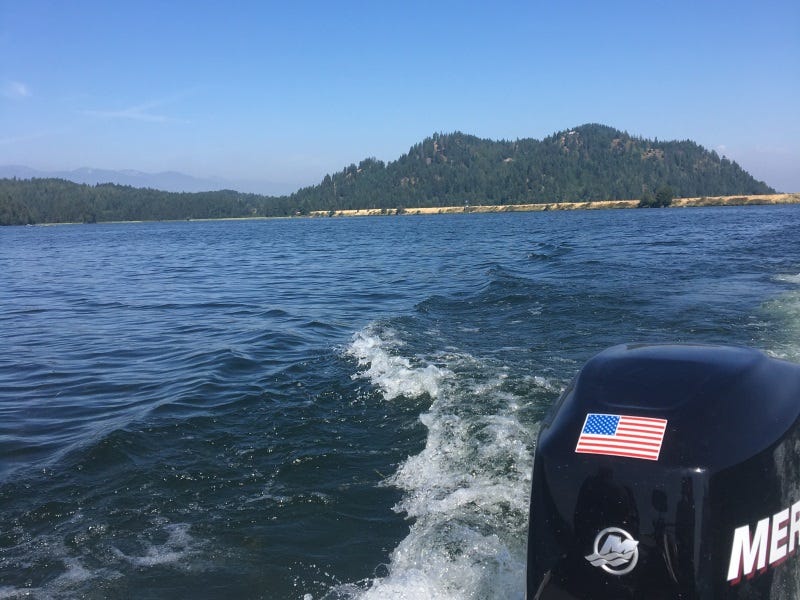
We were on the water shortly after 7:30 a.m. and fished until 11:30 .am. The sun was shinning, temperatures were rising, and there wasn't a cloud in the sky. The lake's surface temperature was between 69 and 73 degrees depending on where we were fishing. A few days prior, the surface temperature was in the upper 70s and lower 80s. At this temperature I prefer to either call it quits, or break out the baitcaster, and drop-shot plastics deep. Water clarity was good, but not great. The lake appeared to be a little green, making it hard to get visibility greater than six feet. However, this could easily be due to that fact that the sun was low when we were fishing. Finding the bass proved to be a challenge for us. We fished a few of our favorite early/mid summer spots only to find a few small smallmouth. I had a few hard grabs on a chartreus...
Read more about Lake Pend Oreille Fishing Report 8-15-175 Min -
 Posted: August 15, 2017
Small Flies, Light Tippets and Weeds If you want to hook a bunch of fish on the Missouri River this week, covering the water from the dam to the Wolf Creek Bridge is the way to go. If you fish 5X, you’ll hook lots of trout, but likely land very few. If you fish 4X, you will hook some and if you are careful, you’ll land most of them. The standard fly of choice is the good old Zebra Midge. My favorite variation is the Tufted Zebra. Most tiny mayfly patterns also work, especially with copper or dark colored beads. I like the Tungsten Death Metal in #20 and the Two Bit Hooker in #18. The challenge is not so much getting the fish to bite, as it is getting them to the net. The weedbeds are where the fish are hanging out and it’s where the fish charge into once they are hooked. They also have the habit of exploding in the opposite directi...
Read more about Great Falls Fishing Report 8.14.20175 Min -
 Posted: August 15, 2017
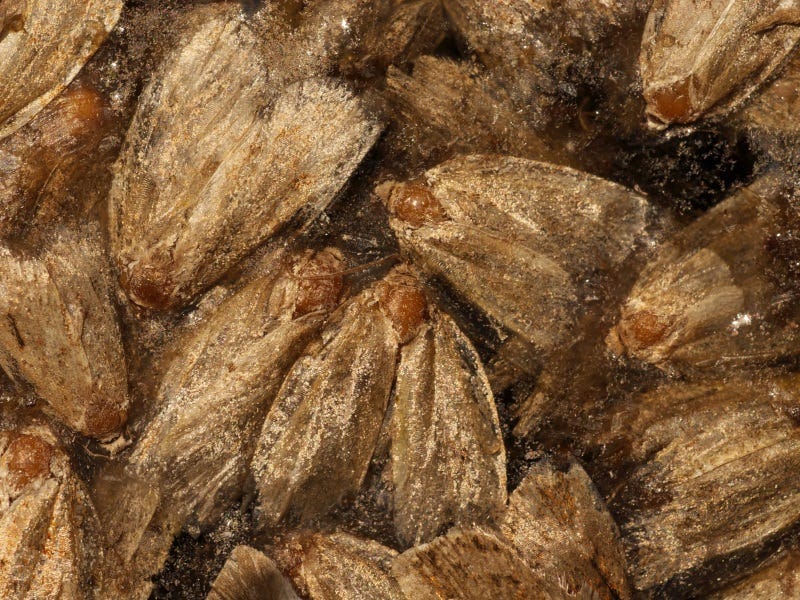
Spruce moths are a common bug in the northern Rockies, but it doesn’t get the credit it surely deserves. I learned that a long time ago, during the first couple summers of my guiding career. I was on north Idaho’s upper St. Joe River, standing on my tailgate overlooking the river. I was tying on the same nymph rig that I had used for a week with good success. I would stand on the tailgate so I could get a better vantage point and look for rising fish. While doing so I noticed quite a few of these "butterfly-esque" moths, or what I thought to be small butterflies, up high in the pine trees and all seemed to have the same descending flight pattern. I watched them slowly working their way down to the river with naive curiosity as I was witnessing something many other seasoned guides already secretly understood. The first moth made its ...
Read more about Fly Fishing the Spruce Moth, Choristoneura Occidentalis5 Min -
 Posted: August 14, 2017
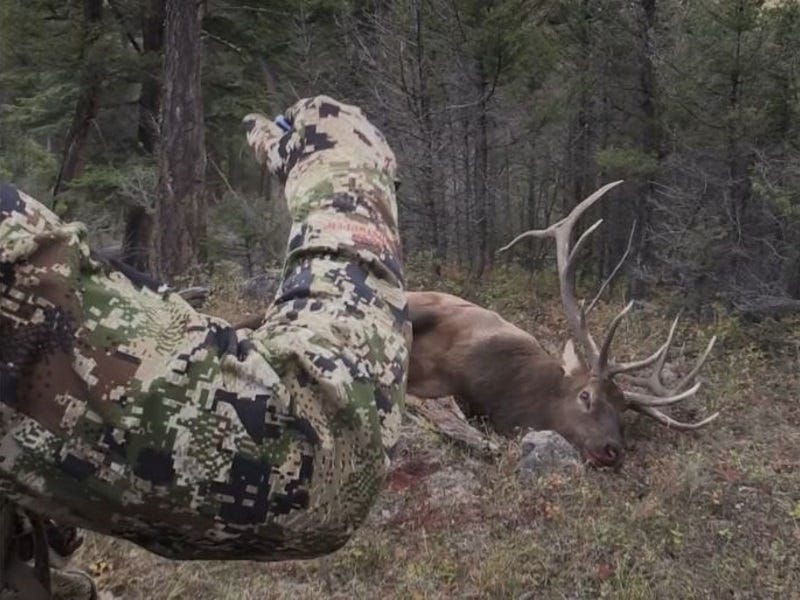
Who is John Barklow? John Barklow is the Big Game Product Manager at Sitka. Before coming to Sitka, Barklow served in the United States Navy for 26 years. As a Navy diver, he worked all over the world and eventually began teaching diving to Navy SEALs. In his spare time, Barklow pursued his mountain guiding credentials and began teaching these skills to the military as well. Post 9/11 he was reassigned to Kodiak, Alaska, where he trained special operations forces to live and fight, unsupported, in remote mountain ranges. During the first year following 9/11, the U.S. military lacked suitable gear for modern day mountain warfare—their gear had not been updated since the Cold War ended. This meant that Barklow and other members of the military turned to high-end mountaineering and outdoor companies to provide the technical solutions th...
Read more about Sitka Subalpine Camo: An Interview with Developer John Barklow5 Min