
Page 150 - Blog
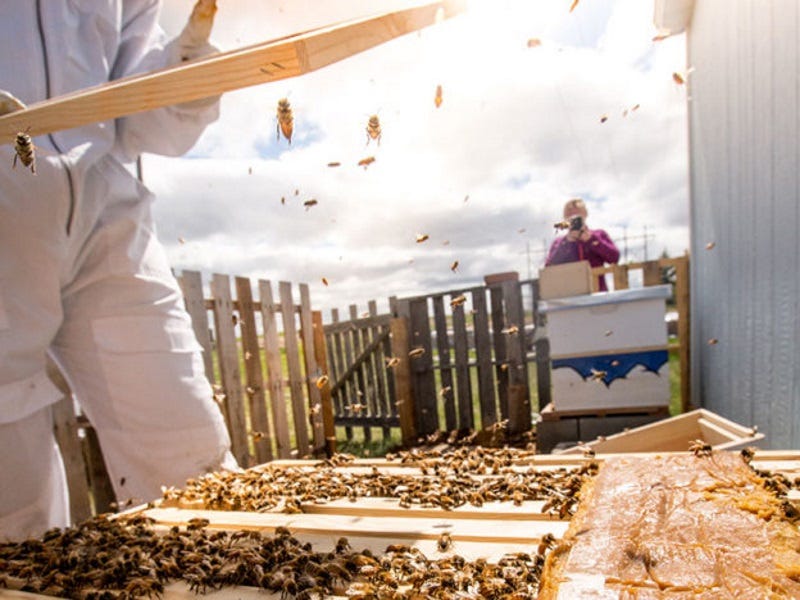
Honey bees communicate using vector calculus and directional- mamba!! A forager uses dance to communicate the position of nectar sources she discovered. If the dance is in straight lines towards the upper part of the hive, that means the flowers or source of food can be found by following the sun's position. If the dance is downwards, towards the bottom of the hive, that means the flowers will be found by traveling away from the sun. If the bees dance left or right, that will indicate the direction of the blooming nectar source- in relation to the sun. For instance, a 45° angle to the left of the hive's top will indicate a corresponding direction to take towards the sun and find flowers. The duration of the bee's dance and the amount of vibrations in that dance describe exactly the proximity of the nectar source from the colony- ...
Read more about The Science of Bees: How they Communicate & Influence BiotechnologyNorth 40 Life
-
 Categories: Home & GardenPosted: July 03, 2016
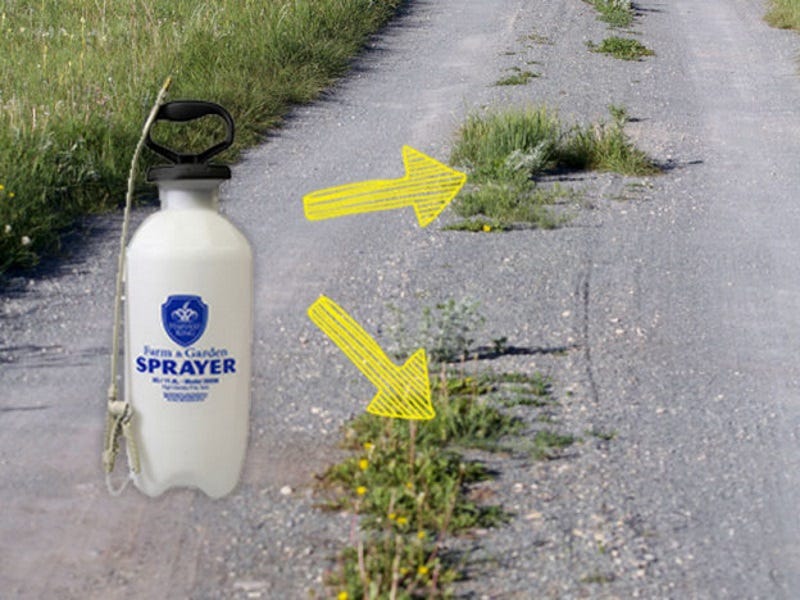
Not all herbicides are created equal. There are a lot of options to choose from when shopping around for weed killer. Many of them claim to kill weeds but we have found that some do it better than others. Using years of experience and the advice of industry leading experts, we identified the specific herbicide ingredients that seem to produce the best results. No more reading labels for general information. Identify these main ingredients and you will be sure to have fewer weeds and a healthier lawn. Before starting make sure you know what type of weed you are trying to target. Learn how to quickly identify weed types and why it is important here. Herbicides for Common Broadleaf Weeds Broadleaf weeds like dandelions, clover and plantain are usually easier to identify that grassy weeds, and that's a good thing because if you try to trea...
Read more about What is the best weed killer? Best Herbicides To Use Based On Weed Type5 Min -
You just bought weed killer, and now you want apply it. Awesome. But, did you know if you apply your weed killer at the wrong time, the weeds will live, and you'll need to buy more weed killer. Also, applying weed killer incorrectly could also result in brown patches burned into your lawn. Sound scary? Don't worry, we've got some simple steps to help you get the most out of your herbicide. Note: Make sure you know how to identify your weeds so you can choose the right product, and then, make sure you chose the best herbicide based on what type of weeds you have. 1. Time your Application- By checking for rain! Most liquid application herbicides have a surfactant already in place- this is a chemical that will help it stick to the foliage of the weed you are trying to kill. However, even with that chemical bonder in place, your weed killer...
Read more about Killing Weeds: Best Practices for Applying Weed Killer5 Min -
 Categories: Home & GardenPosted: July 03, 2016
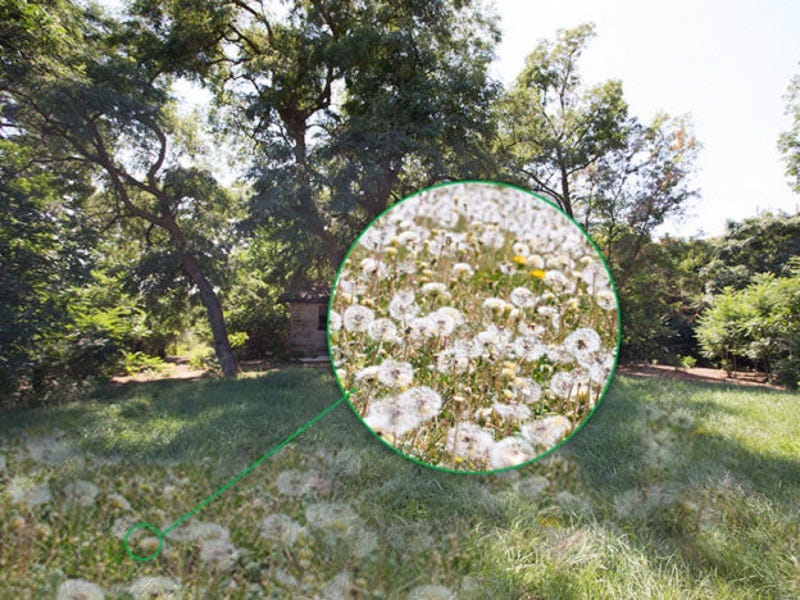
Why is it important for you to know what type of weeds you have in your lawn? Well let's explain what typically happens to your lawn when you DON'T know what type of weeds you have: One: you pick an herbicide that isn't directed for that particular weed, so the weed doesn't die and continues to spread (Not recommended) Two: you pick an herbicide that kills both the weed, and your lawn. (Also not recommended) Instead, learn how to identify some common types of weeds by reading below and start effectively addressing your weed problem. Once you know what type of weed you're fighting, you can read about the best way kill them. Main Broadleaf Weed Types in the Northwest Broadleaf weeds are the easiest to identify in the scheme of weeds. They look much like they sound and are very different from the lawn grasses we'd like to keep around. ...
Read more about Why You Need to Know Your Weeds5 Min -
 Posted: June 30, 2016
What is there that can still make an archery tech giddy as a schoolboy on Spring Break? A bow box that shows up with your name on it! After working in archery shops for the better part of 11 years now, I can't even imagine how many hundreds or thousands of bow boxes I've opened. But one came in this year that has had me particularly excited. Check out our selection of bows online here. I ordered a Perfexion from the good folks at Xpedition Archery and they have certainly over-delivered on all of my expectations. Biggest Challenges with the Xpedition Perfexion Bow One of my biggest challenges is finding a bow that truly fits me. I was blessed with monkey arms and broad shoulders so setting up a bow that properly fits a 31+ draw length comes with a lot of give-and-take- mostly give. Not so with the Perfexion! With the same cams as their fl...
Read more about Xpedition Perfexion Bow Review: The Pattern of Perfexion5 Min -
 Posted: June 29, 2016
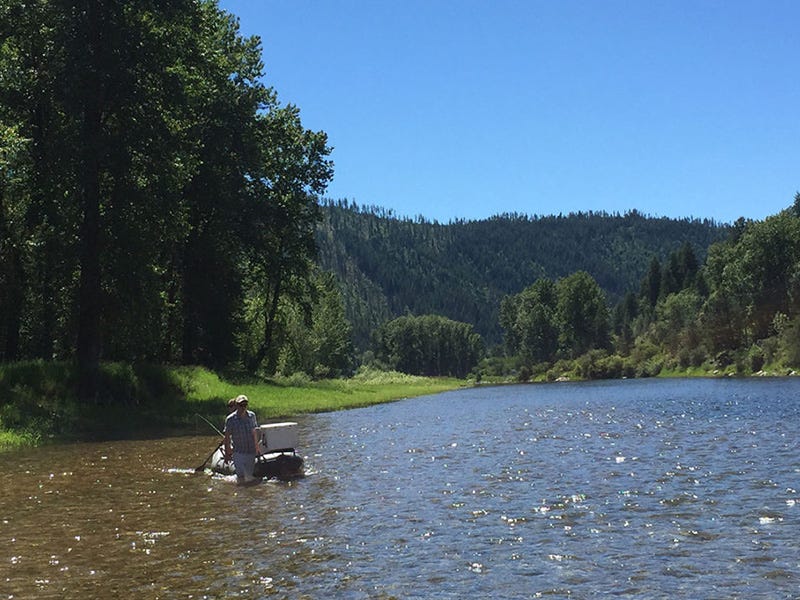
Fishing remains good on the St. Joe River with 1,190 cfs @ Calder. Dry fly action has been solid with lots of bugs in the air. Pmd's, Yellow Sallies, and golden stones imitations were all producing. The mid-day heat can drive the fish down some days, so if your not against bobbers, 20 inchers, pats rubber legs, and tungsten yellow sallies all produced several fish mid-day down deep. Sculpin streamers are picking up some big fish. Always remember to handle these fragile fish with care. It is especially important as we get into the heat of the summer, with high water temps making these fish even more fragile. Check Out The Current River Flow Here
Read more about St. Joe River Report 6.29.165 Min -
 Posted: June 29, 2016
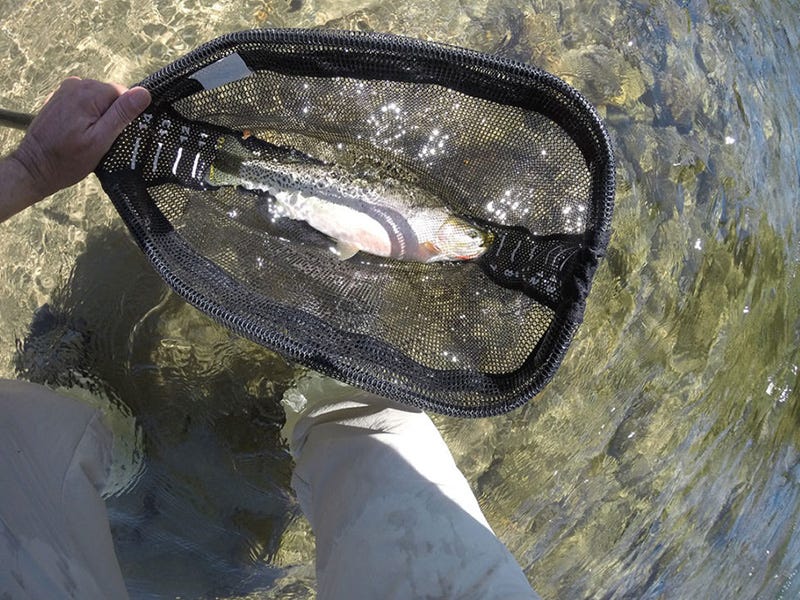
After getting a few things done around the house, I was able to hit the Methow River for a few hours yesterday. The river looked good nice and clear but up some from the last couple of days. With a bright sun and temps rising, it was not the best time to be going, but that’s okay; anytime on the water is better then not going at all. I headed south to a couple of runs that have been good to me in the past. I decided I needed more time with the spey rod than the singe hander, so I broke out my 5wt trout spey, tied on a smolt pattern and headed to the top of the run. About my fourth swing down, I felt the tug and had what turned out to be a nice cutty on. After a bit and when I had it about a rod's length away, it gave a couple of good twists and was gone. That’s pretty much how the next few hours went. Changed flies a few times just s...
Read more about Methow River Report 6.29.165 Min -
 Posted: June 29, 2016
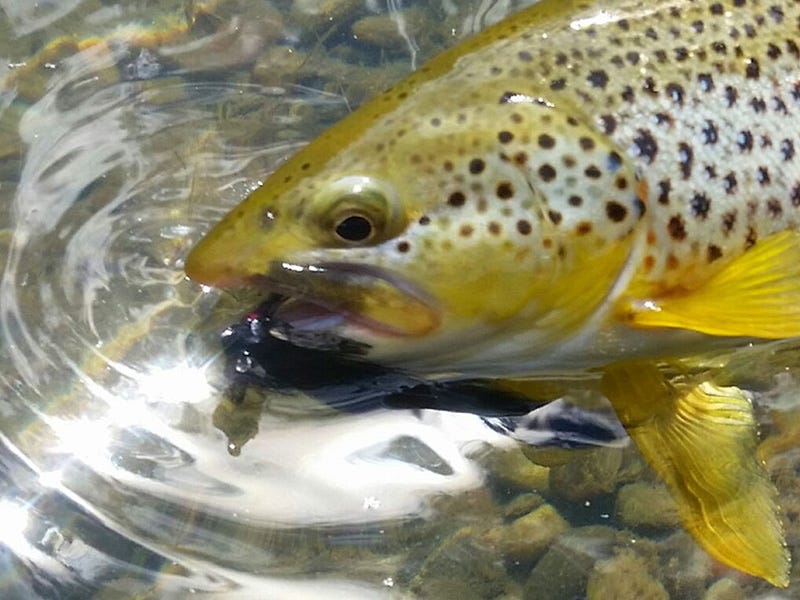
The water is currently flowing 4140 CFS Water temps are 58-60 degrees. Flows have been fairly consistent for over a week. Consistency is good. Consistency means patterns emerge. Daily spinner falls and emergence periods are happening. This means the fishing is great- The fishing is great, but the catching can be a challenge. More so if you want to go dry. PMD hatches have provided the most consistent action, but the fish are getting picky and nervous. If you can sneak up on a bank sipper, you might get him on the first drift. If you try the mid river risers, good luck. They keep moving and they often know after the first cast that they are being hunted. I guess that’s fair chase, but many anglers are discouraged by the challenge. Others relish it. Tough dry fly fishing is something experienced anglers appreciate. They accept the cha...
Read more about Missouri River Report 6.29.165 Min -
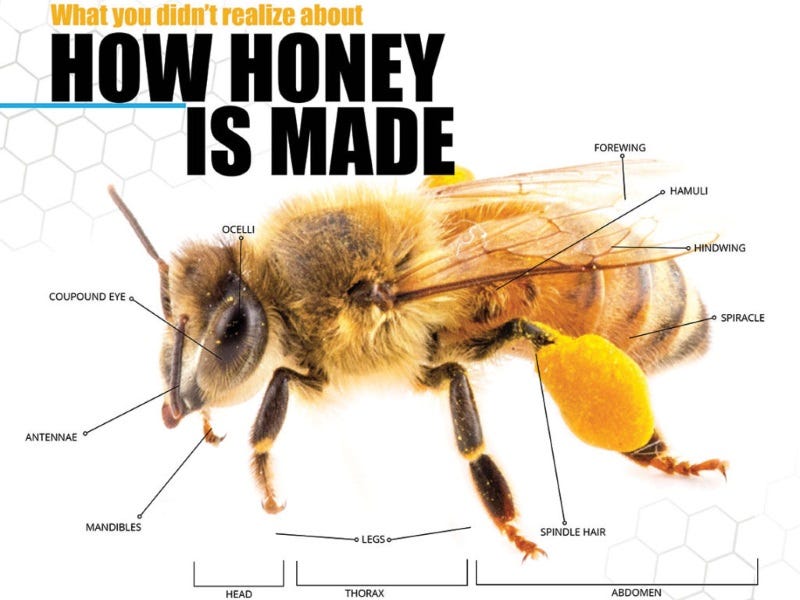
Chemistry my dear Watson, Chemistry that's how honey is made. Enzymes, disaccharides, monosaccharides- there's a brave new world on the molecular level of bees. To understand why these small, furry angels should be reared in every garden in the world, we're going to break down the process of Nectar->Honey->You. How Honey is Made: The Growing The first step in the life cycle of honey is in the ground. It's in the dormant radicule that lays all winter asleep, waiting for the frost to let up- That's just a fancy way of saying, "Honey starts as a seed." Wondering what requeening is? Bees collect nectar from flowering plants, and some of those plants start with a good garden. Even unwelcome weeds flower. Fireweed and knapweed have flowers that feed bees and become some of the most prized honey variants you can come across. So the honey ...
Read more about How Honey Is Made5 Min -
 Posted: June 28, 2016
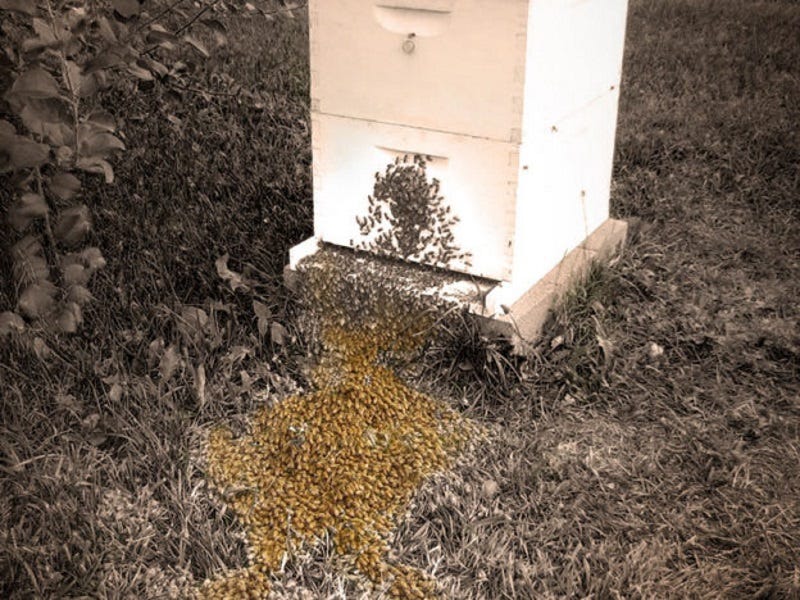
Neighbor relations are an important consideration whether you're living on 100 acres or a city lot. Having a barking dog is probably the number one way of earning someone's ire, but bringing in a beehive, or two, might be a close second if you live with neighbors close by. While most people understand and appreciate the benefit of honey bees, and gardeners in the neighborhood will undoubtedly enjoy the results of their hard work, having fifty-plus thousand stinging insects taking up residence next door can cause issues. Having bees can make your neighbors love you, or hate you, depending on how you handle it. Need Beekeeping Gear? Check Out Our Selection Here. Talking to your Neighbors before going Full-bee As with most activities that impact others, if you're going to bring in honey bees, talk to your nearest neighbors before they see ...
Read more about Beekeeping in Urban & Suburban Neighborhoods5 Min