
Page 168 - Blog
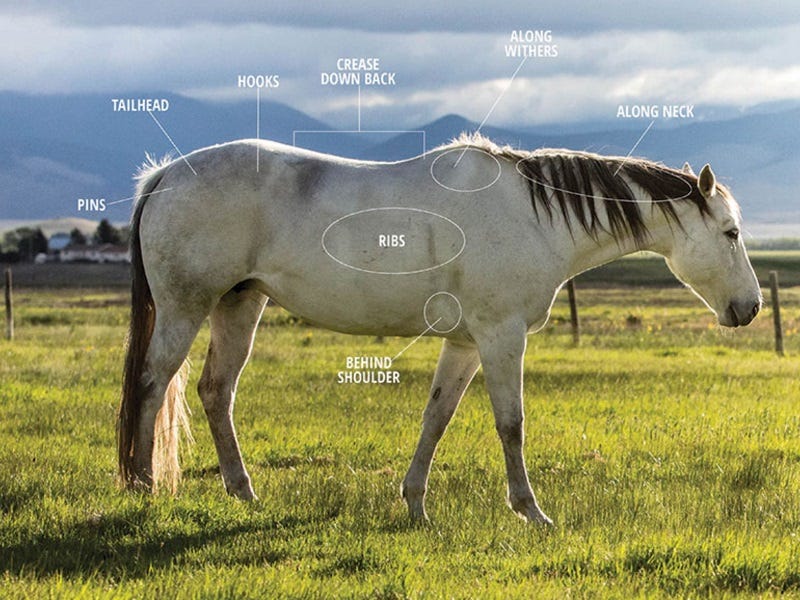
Your horse's health is extremely important, but it can be hard sometimes to know how to keep them happy and healthy. However, you can see the health of your horse by evaluating his body condition. The state of the horse's body is a very good indicator of your horse's health. Just what is the prime horse body condition? POOR Animal extremely emaciated. Spinous processes, ribs, tailhead and hooks and pins projecting prominently. Bone structure of withers, shoulders and neck easily noticeable. No fatty tissues can be felt. VERY THIN Animal emaciated. Slight fat covering over base of spinous processes, transverse processes of lumbar vertebrae feel rounded. Spinous processes, ribs, tailhead and hooks and pins prominent. Withers, shoulders and neck structures faintly discernible. THIN Fat build-up about halfway on spinous processes, transvers...
Read more about Body Condition Scoring for HorsesNorth 40 Life
-
 Posted: January 22, 2016
You know it is going to be a good fishing report when you receive a text at 10pm from Fred and it says... "Tomorrow, I'm going fishing. I'm going to phone in my weekly report. I will text you some pictures and some on the water reporting starting about 11am" Fred made good on his word as he texted us live from the river today: "Kevin arrived at 9:55. 5 min early. Good sign. It's way above freezing and mostly cloudy. We are stoked." "When you get a window like this, you are most fortunate if you have the day to go fishing." "The wind has picked up as expected. It does not matter. We've already caught plenty of fish. Now the wind adds some challenge. Challenge is good." "Switched to the streamer swing and got 3 eats right away. I love trout spey! Now I'm chilling and watching Kevin fish." "Got tired of watching Kevin catch fish and my be...
Read more about Missouri River Report 1.22.165 Min -
 Categories: OutdoorPosted: January 22, 2016
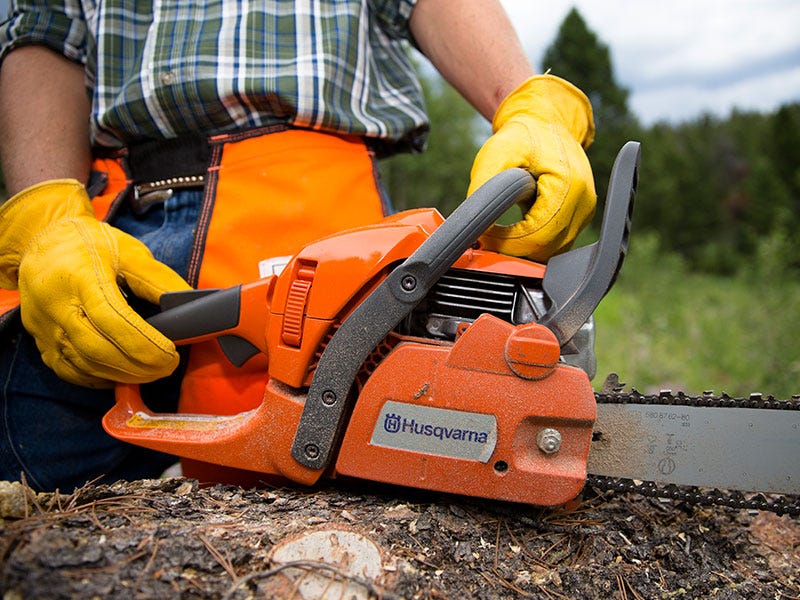
There are many ways to select logs for your cabin, but a great takeaway for this blog: "A man who builds a poplar cabin will die in it." This is an old saying because poplar is renowned for rotting out quickly. If you go with cedar trees, they have a higher acidity which acts as a natural preservative and protects against rot. Another great option is pine because they grow relatively straight. So you have your logs selected and on the premises. Now what? Besides getting started with great hand tools, How do I notch logs for building log homes, shelters or windbreaks for livestock? Butt and go: this is a simple joining technique that needs no scribing, you use a drill and rebar and essentially pin the logs together at the ends. Saddle notch simple joining technique whereby a rounded notch is cut from the bottom face of a log and forms ...
Read more about How do you Notch Logs for Shelters?5 Min -
 Posted: January 22, 2016
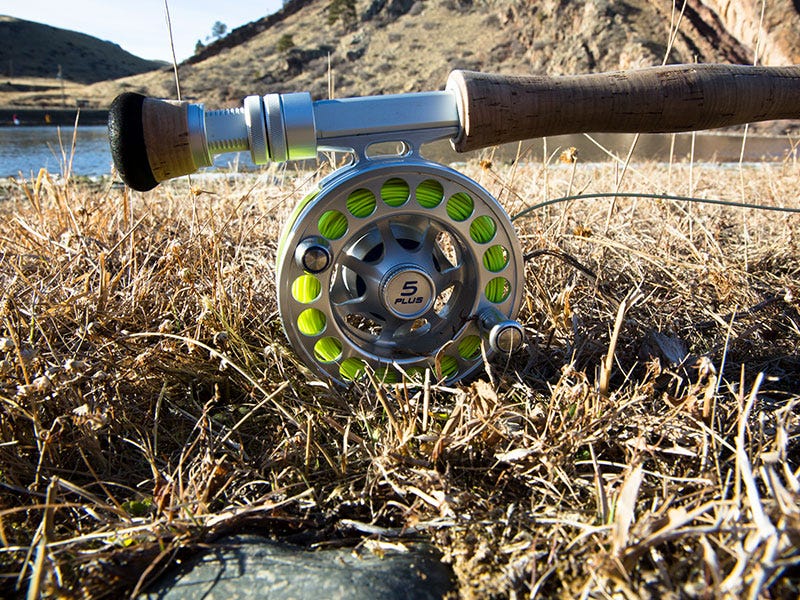
An age old question for those looking to get into fly fishing: How do you spool a fly reel? First you need to make sure you are lining up the reel for left/right hand retrieve if you mess that part up, you’ll get another chance to practice- immediately. Make sure you get a reel that can be switched either way, or make sure that you have purchased one that has the retrieve side that you want. These are the reels we carry. Then tip #1: tighten the drag a little bit and make sure you are spooling the right way. It’ll be obvious if you are fighting the drag when you are trying to spool. Then put a bend in your backing and run it around the reel twice so you can get a good seat on your backing then tie it on with a uniknot and clip it flush. Seat your knot tight against the reel. You can use a single uniknot--below is a double. The mai...
Read more about How to Spool a New Reel5 Min -
-
 Posted: January 21, 2016
What are some good fruit and vegetables to grow in north-central Washington? We get a lot of different gardening questions at North 40; we have stores in many different zones, and each one of our stores has a special relationship with the growers that supply our fruits and vegetables. One of our suppliers in the area is a husband and wife team who've been providing plants to N40 for 2 years. They have mucho experience in the growing game, and are 15 year veteran, Bonnie certified suppliers. Check out their full interview N40 eMag: Garden Edition. Want to know their specialty (and a great fruit that will do well in north central Washington)? Tomatoes. And the Bonnie tomatoes we stock are known to thrive in these areas. "Our plants are grown hardy and acclimated to our environment. We grow them pretty cold," she tells me, laughing. The Bo...
Read more about What Grows in North Central Washington?5 Min -
 Posted: January 21, 2016
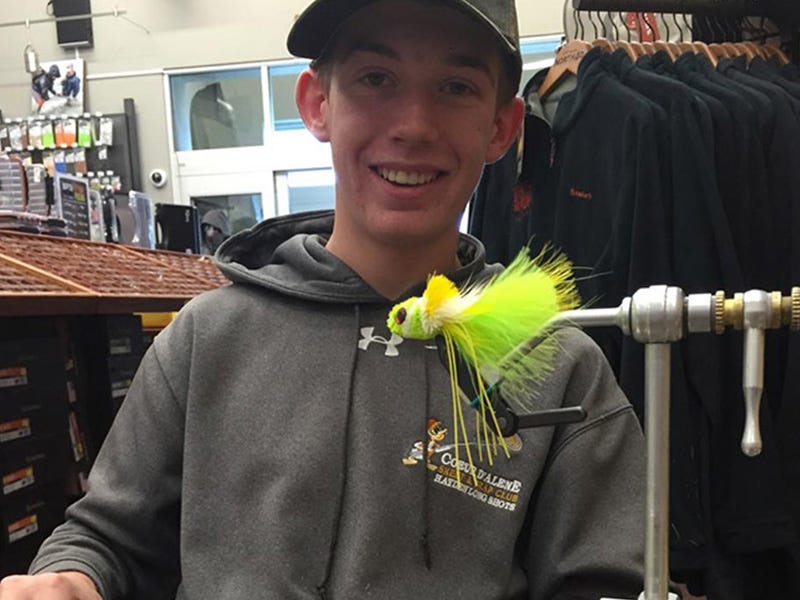
This winter, tying has been very different than past winters. Usually, I tie a couple flies several hundred times over, thinking to myself, this has to be enough... Well, it never was. You wouldn't believe how many flies one person can lose. Simply put, guiding is adult day-care. However, this winter has been completely different with the fly tying workshops at North 40 here in Coeur d’Alene. I have had the opportunity to sit and learn some amazing techniques from some good, and not so good, tiers. The heartfelt friendships that I have acquired are incredible, and the progress that I am seeing in our returning tiers is stunning. It’s unbelievable how fast and how much one can learn from some of our guest tiers, who have spent a majority of their life tying. The little tricks and techniques used to make tying bugs easier have helped...
Read more about Winter Fly Tying5 Min -
 Posted: January 21, 2016
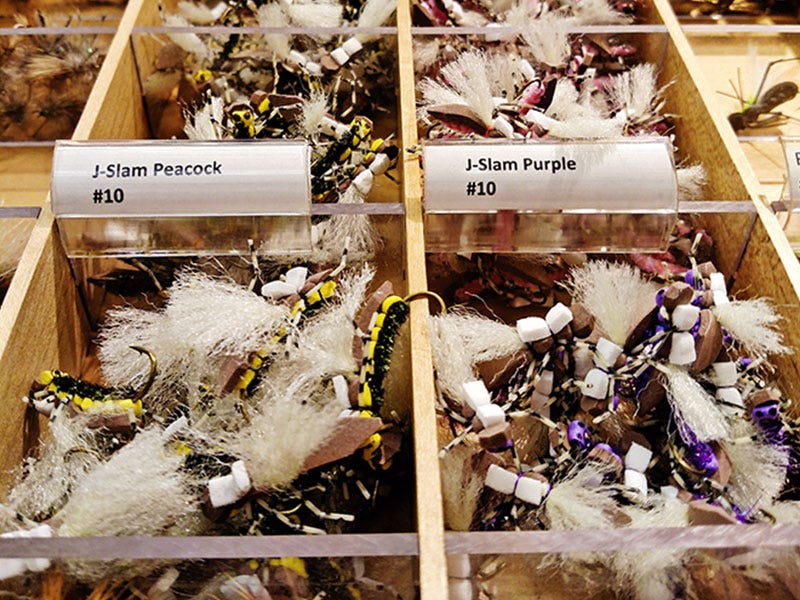
Working in a fly shop in January has it's ups and downs. Customer counts, fish counts, and fishing reports are all down. Talks of spring tactics around hot coffee are the norm throughout the day. Spring steelheaders come and go, quickly loading up on beads and Air Lock bobbers. Neglected chores are finished up quickly between customers... then comes the new inventory. Boxes and boxes of new stuff from Solitude Flies, Simms Fishing Products, Hareline Dubbin, and more begin to arrive. It is basically Christmas in January. I've never seen this many purple J. Slams at one time. Surely, this fly bin will be the first to empty as spring anglers come out of hibernation and present these large dry flies to hungry cutthroat. Once the purple ones are gone, anglers will grab the tan, pink, and peacock versions that work almost as well. New Simms s...
Read more about Fly Shops in January5 Min -
 Posted: January 15, 2016
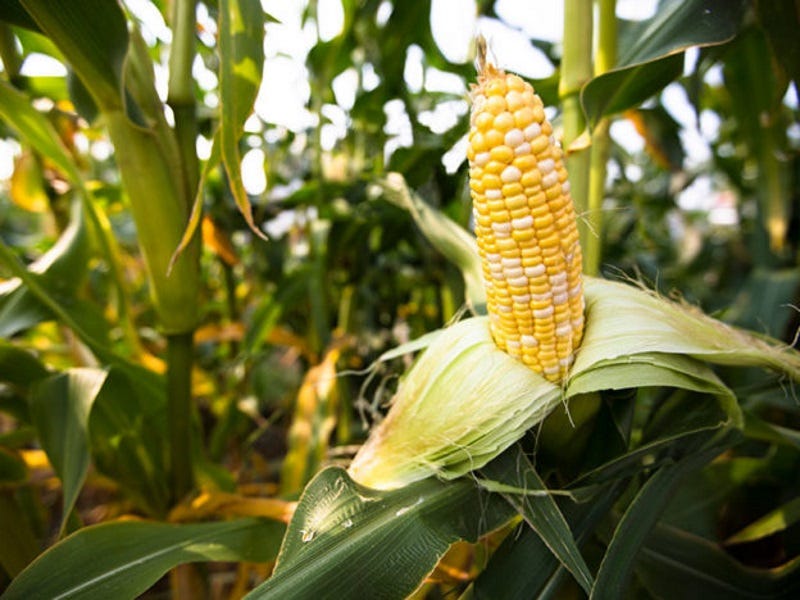
"What are some vegetables that are good to grow in North Central Montana other than tomatoes? We've tried squash and it hasn't been very successful."--N40 Customer, Kirsten Amy Grisak from Amygrisak.com had this to say: "We have to work with the weather- We have cooler nights, which is why sometimes tomatoes and squash don't like to grow here, but lettuce, radish, onions, potatoes will flourish during the cooler springs. Once the soil warms up, you can grow almost any type of beans or peas. Cabbage or kohlrabi will flourish in our regions. It's all about doing your homework and working the weather." Side note for Kohlrabi I had no idea what this was- apparently according to Sam, you can get them at most farmer's markets across Montana and, "It's like a watery apple." So I dug a bit deeper and found out it's much like broccoli or cabba...
Read more about Montana Gardening: What Vegetables to Grow5 Min -
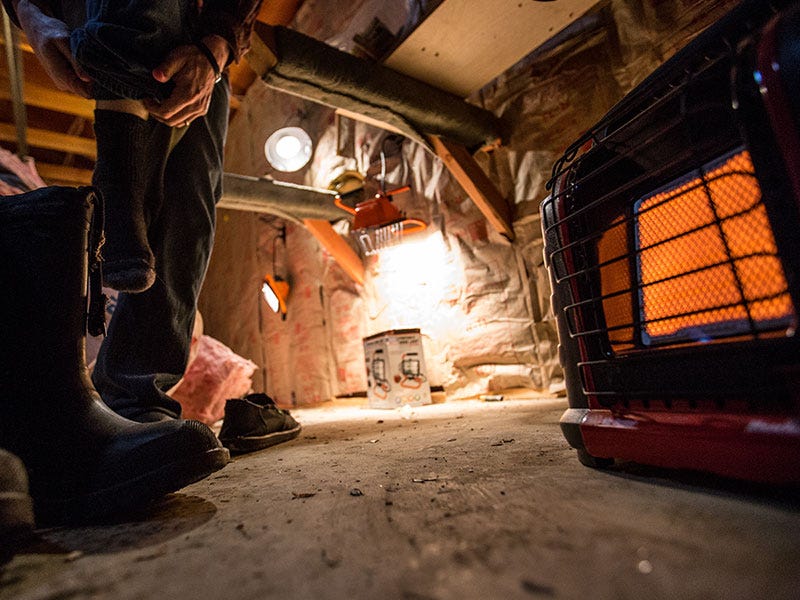
Is a sock liner a vestigial remnant (that means throwback) of a time when hiking socks were made of Brillo pad type wool, or do they have a place in the modern sock era? Wellllllll-- kind of, but not really. That's vague, true, so let's break it down. The Evolution of Wool Socks Wool has come a long way since the old days of Brill-Wool- Merino wool is stock and staple in most hiking socks and hiking/backpacking gear because it often negates the need for wearing sock liners. Check out these socks made with Merino. Plus Merino is even used in base layers like these. The purpose of a sock liner, like Luke says in the video, is to add a hydrophobic layer between your skin and the thicker, insulating layer on the outside. This will allow sweat from your foot to be wicked away from your skin and help prevent "hot spots," blisters or discomfor...
Read more about When to Wear Sock Liners5 Min