
Page 167 - Blog
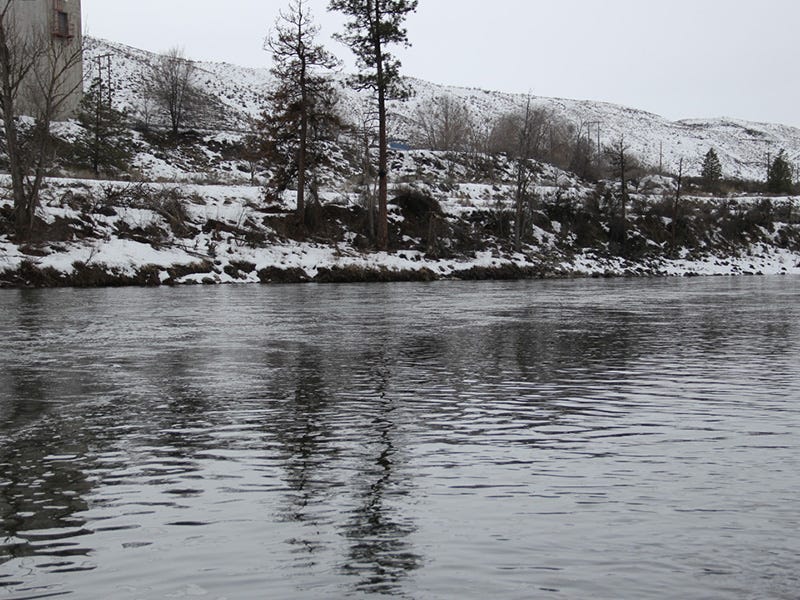
Wish I could say it's been a hot time on the ole, cold Okanogan river, but sorry to say right now, fishing has been almost as cold as the days have been. I've been out a couple of time lately with slow results. Don't get me wrong, I've had a few grabs. A couple of them were hard hitting, but for the most part, they were soft. Nothing hooked up for more than a few seconds and I will admit that it was probably more me being a little slow on the hook set than anything else. Right now, the river has come up due to the snow melt we've been seeing the last few days. This morning, I checked the river flow, which shows that it's holding a little under 2000 cfs. I'll just have to keep watching for it to dip back down to around 1300 cfs, like it was a couple of days ago. Is it fishable right now? Sure it is - in a few select locations you just h...
Read more about Okanogan River Report 02.01.16North 40 Life
-
 Categories: ApparelPosted: February 01, 2016
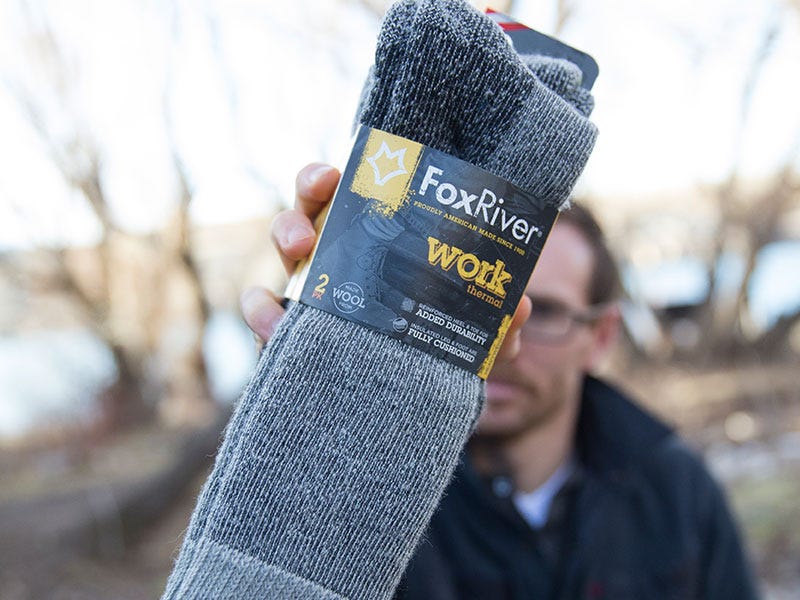
If there were ever an upside to having to tolerate frozen windshields, frozen roads, and frozen snot, I suppose it would be this: with the coming of winter comes the embrace of big, soft, fluffy socks. For the next 3 to 6 months, depending on how much snow decides to fall in May (or June for that matter) I get to wear socks on my feet that feel more like slippers than they do socks. I like to think about this fact when I am up 45 minutes earlier than usual so I can shovel my driveway and scrap my windshield most mornings (thanks winter). I recently got my hands on, and feet into, a new pair of Fox River Wool Work Boot Mid Calf Socks. I have been wearing a number of different winter socks this season and I immediately noticed two things about these socks: They were much taller than most of my other socks, and, they stayed put on my leg mu...
Read more about Fox River Wool Work Boot Mid Calf Sock Review5 Min -
 Posted: January 30, 2016
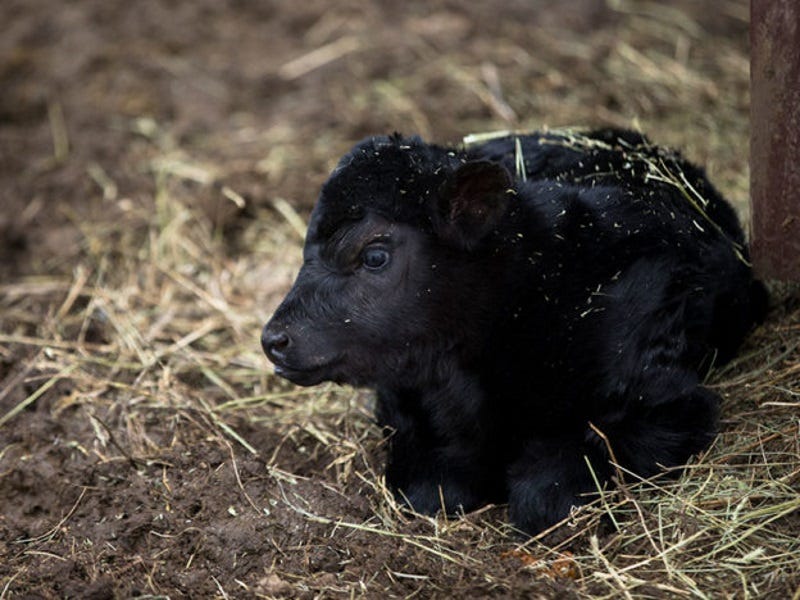
Calving season is just around the corner for the majority of our cattle producers in Montana, Washington and Idaho. If you need ear tags, we've got them online and available for delivery to your door, right here. Most ranchers have already made preparations and are mentally ready for the next few months of long nights and the challenges generally associated with calving in the northwest. While warm weather makes conditions a bit more tolerable for livestock and producers, the varying temps can also present their own set of challenges as well, but none are as critical to survival of new calves as colostrum. Colostrum Replacers and Supplements for Calves: Improve Immunity Colostrum supplement and replacer products are valuable tools to increase calf immunity when supplies are limited. We recently added two colostrum products by APC Life...
Read more about Lifeline Nourish Colostrum Replacer: A Rancher's Review5 Min -
 Posted: January 28, 2016
I love a good January thaw. It feels like spring, but you know it’s not. Somehow, that makes it even more special. Especially, if you are able to take advantage of the open window and go fishing before the next cold front rolls in and winter reasserts itself. The Missouri River has cycled through a period of typical winter chill. Ice shelves lined the river. The water hovered just above freezing. The Trout would feed, but they are very sluggish. Enter the warm Chinook winds, blowing off the Rocky Mountain front. The ice and snow evaporate away. Air temps pushing 50 degrees quickly warm the icy flows to a fishy 36 degrees. What a difference that can make. Fish move into prime feeding lanes again. Nymphing is excellent. Fish are cruising the inside slack waters of the deeper flats, opportunistically hunting for food. A good streamer gets...
Read more about January Thaw5 Min -
 Categories: Pet & AnimalPosted: January 28, 2016
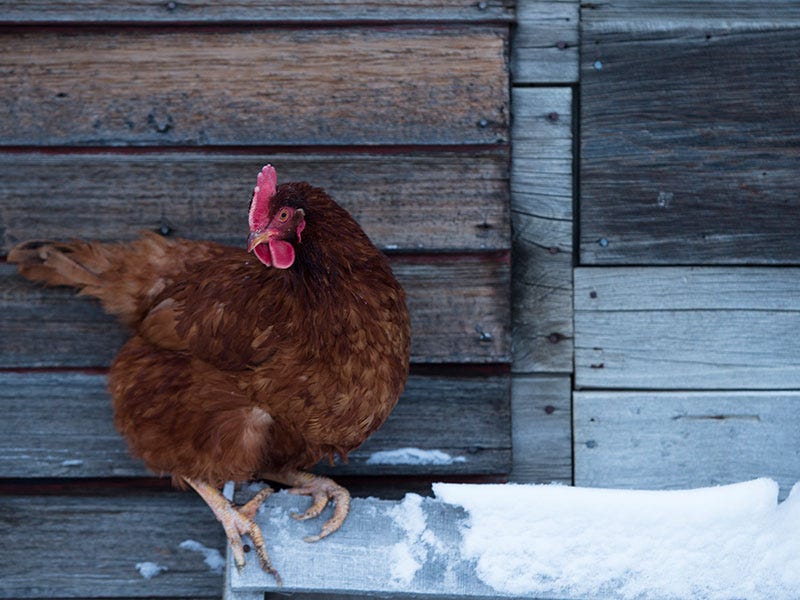
Why is this an "almost complete guide"? Part of the reason is that we are in the final stages of finalizing our chicken resources page where you can find all of our best tips, tricks, and even a helpful list to help guide what birds will be available at each North 40 location. We suppose the other part is because though we think of ourselves as experts in the chicken game, that also means we are humble enough to say we don't know everything. Seems like for every breed specific tip we can find and put out, there are two more "farm house remedies" we still need to learn- We still know our stuff though when it comes to little known chicken facts and help guides. Check out this awesome infographic we put together last year for "Tips to Sick Farm/Ranch Birds"- We are always looking to learn the latest (or the oldest) tips in the chicken game...
Read more about Your (almost) Complete Guide to Chickens5 Min -
 Posted: January 27, 2016
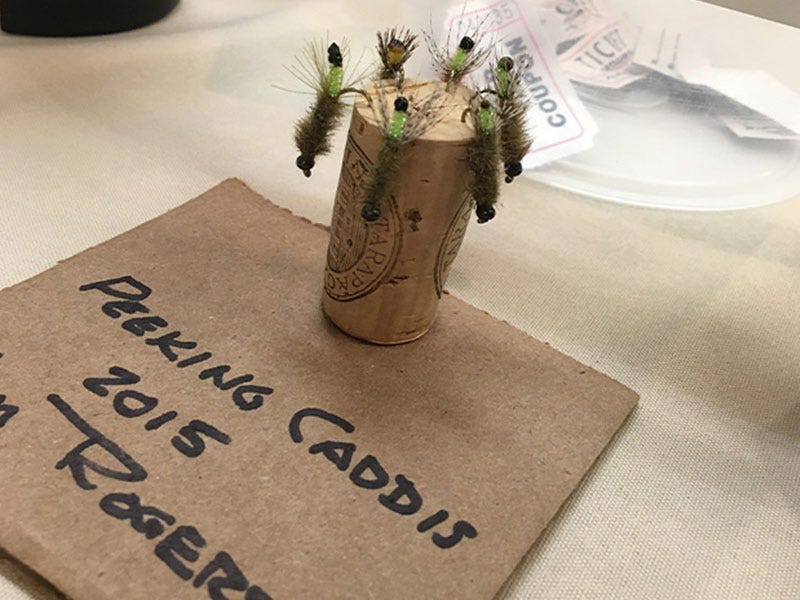
Last Thursday, I attended a North Idaho Fly Casters monthly dinner/meeting in Coeur D'Alene at the Best Western 506 W Appleway Ave. The North Idaho Fly Casters is a club looking to improve local habitat and water quality, as well as educate and help others. Every member is passionate about fly fishing, and helping others. The meeting is held in a spacious conference room from 5-8ish on the third Thursday of every month. The evening starts off with a general meet and greet while watching club member, Jim Rogers, tie some very innovative flies. Be sure to bring one of your favorite fly patterns to enter it in the fly raffle. Every person that enters a fly into the bucket receives a ticket and a chance to win the whole bucket of flies! Members of the club have free access to an immense library of fly fishing/outdoor books and videos....
Read more about North Idaho Fly Casters5 Min -
 Categories: Pet & AnimalPosted: January 27, 2016
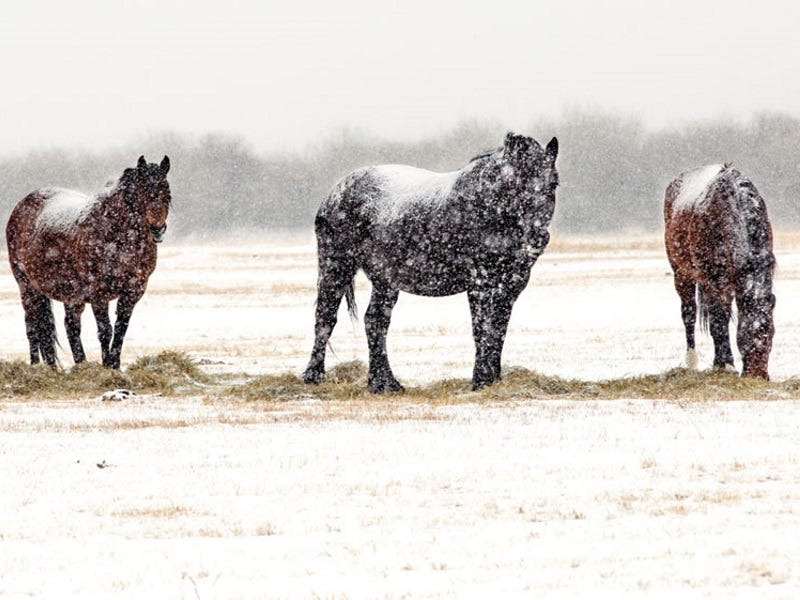
I grew up with horses. I got my first pony, a black and white paint Shetland named Chico, when I was 2 years old. I wasn't tasked with his full care till a few years later. I remember from a very young age bringing leftover frozen water buckets in to thaw and taking a bucket of fresh water out every morning and night. My two younger sisters also got into horses, and with more horses came a bigger water trough. Can Horses Survive on Snow? We would fill the trough with a hose then drain the hose over the rafters to keep it from freezing and make sure the tank heater was doing its job. If it failed, that meant chopping the ice from the top so the horses could drink. Not ideal as horses don't like freezing cold water. The first time I heard tell from an old timer that horses can survive on snow, I was a bit hesitant to believe him. I mean, I...
Read more about Tips for Watering Horses in Winter5 Min -
 Posted: January 25, 2016
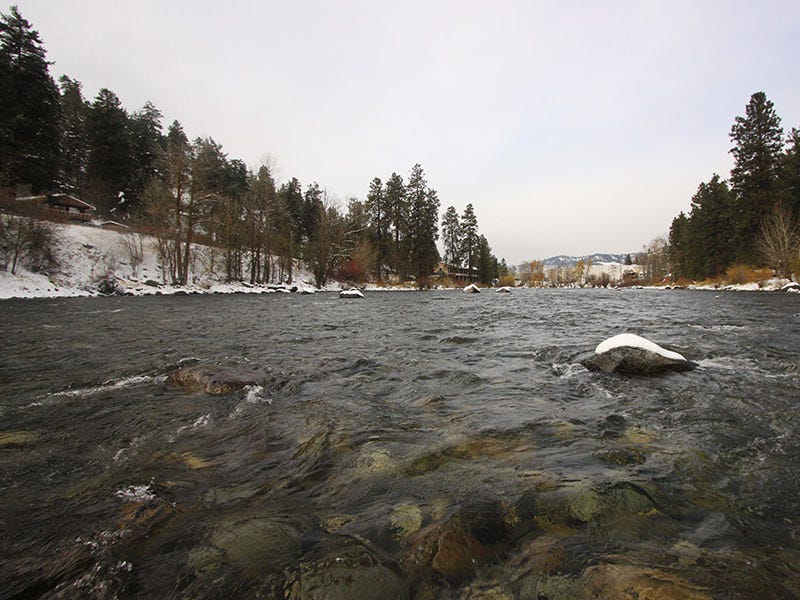
Wondering where to go winter fly fishing in Montana, North Idaho and Eastern Washington? "Tail waters below dams- there's a couple spots on the Missouri that are pretty good," says Max from Simms. For this one we gotta wade through a little bit of inter-shop one-ups-manship. Fred from Great Falls: "Between Craig and Holter Dam winter nymphing and streamer fishing is even better than fishing in the summer. Dry fly fishing is just too easy when you can see 'em rising to the flies."<-- He said that with a straight face. Stone cold, Fred. Stone Cold. Where to Fish in CDA When It's Snowing Then we got Nick from CDA: "If you get a chance, best winter fishing is out on the Spokane River on the tail waters. If you want to get on the CDA, you gotta fish low on the system maybe 5 to 10 miles max." Matt and I weren’t sure why there is a "...
Read more about Where Can I Fly Fish in Winter?5 Min -
 Posted: January 25, 2016
The weather was on and off light showers with temperatures around 35 degrees Fahrenheit, and the wind was non-existent. This is what I consider to be an ideal setting for some January fly fishing. We hit the river from 11 am-3 pm and flows were about 6000 cfs. To say the river was crystal clear is an understatement. There were no fish rising that I could see. The only activity was a light midge hatch from 12:45-1:30. It looked to me like the midges were close to a size 24 or 26. I swung numerous streamers through seams I know hold fish without a single grab. After I swung my way through, I nymphed my way to the top of the run with no success. I am guessing the river will turn on in 2-3 weeks, depending on what the weather does.
Read more about Clark Fork River Report 1.20.165 Min -
 Categories: Pet & AnimalPosted: January 25, 2016
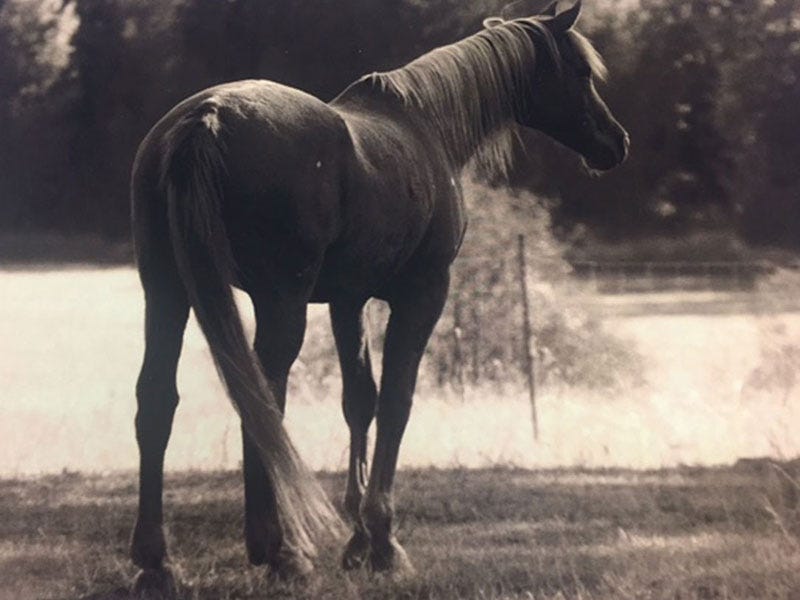
We asked around for people to share their horse knowledge and stories with us to be featured in the Equine Edition of our Emag this month. The following stories are from those featured in the N40 Knowledge Bits section of the Emag, showing us how they care for their horse friends. Kim Farman North 40 Employee - Spokane, WA Years of service 15 My horses are retired now; I've had two of them since they were six months old. They are 29 and 31 now, so they are my geriatric horses." Kim says this on our conference call in mid-December, and Drew and I both were blown away you hear about horse owners like Kim, but talking to them in person that's few and far between. "They are part of my family, my kids grew up with them, and now the kids are grown, so I get them up for easy trail rides around the land." As we had been writing about equine a...
Read more about N40 Knowledge Bits5 Min