
Page 16 - Home & Garden
-
 Categories: Pet & AnimalPosted: July 04, 2016
Well, chances are if you've landed on this page, you probably missed the most important part of dealing with ticks: How to Prevent Ticks- and you've probably just got back from a place where ticks love to live. Here is how you identify, locate and remove ticks from your furry family member. Identify a Tick problem Ticks like warm damp places between the toes, along the groin and especially in the ear canal. So if your dog is shaking his head or gets lethargic, you need to check for ticks. The #1 way to know if your dog has ticks? If you see one inside your home! Don't treat the appearance of ticks as a "one off" thing ticks are like roaches, if there's one, there are probably more. The best way to be sure you and your dog are tick-free is to do a full body tick-check. Looking for toys to keep your furry family member occupied? Look no f...
Read more about How to Check for & Remove Ticks5 Min -
 Categories: Home & GardenPosted: July 03, 2016
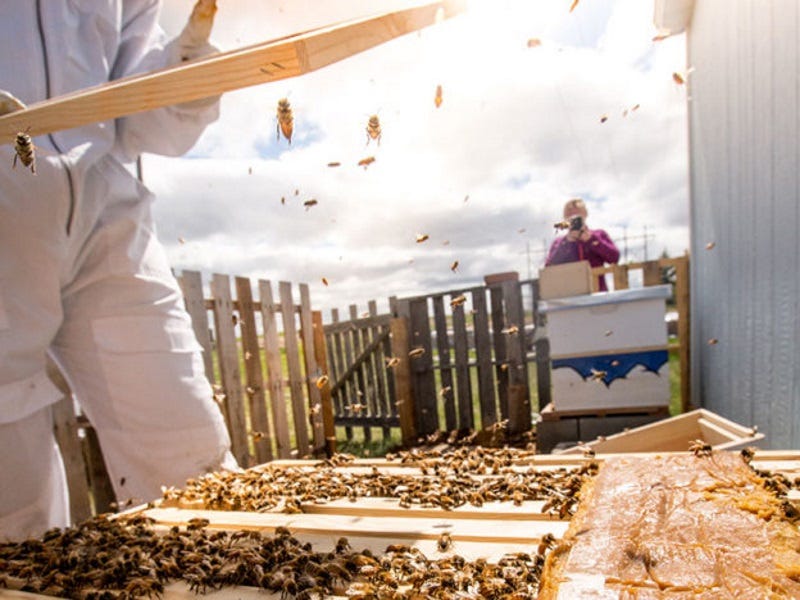
Honey bees communicate using vector calculus and directional- mamba!! A forager uses dance to communicate the position of nectar sources she discovered. If the dance is in straight lines towards the upper part of the hive, that means the flowers or source of food can be found by following the sun's position. If the dance is downwards, towards the bottom of the hive, that means the flowers will be found by traveling away from the sun. If the bees dance left or right, that will indicate the direction of the blooming nectar source- in relation to the sun. For instance, a 45° angle to the left of the hive's top will indicate a corresponding direction to take towards the sun and find flowers. The duration of the bee's dance and the amount of vibrations in that dance describe exactly the proximity of the nectar source from the colony- ...
Read more about The Science of Bees: How they Communicate & Influence Biotechnology5 Min -
 Categories: Home & GardenPosted: July 03, 2016
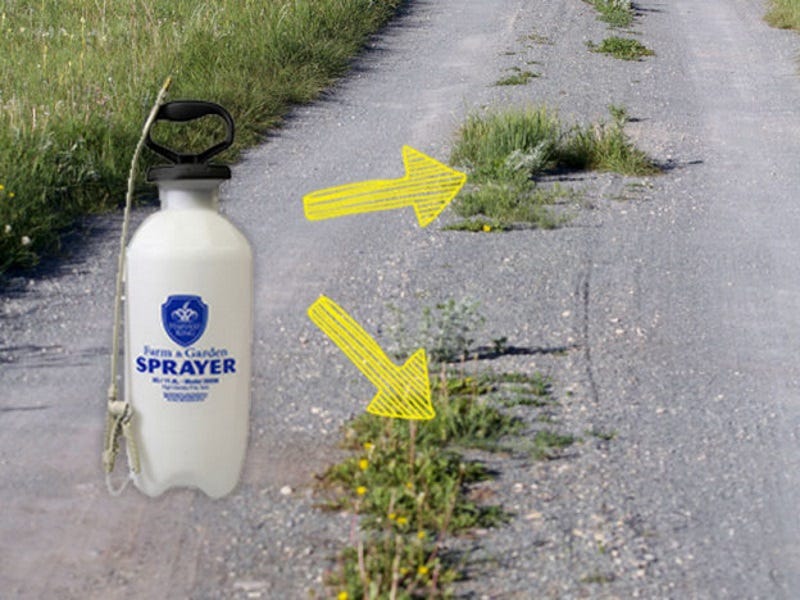
Not all herbicides are created equal. There are a lot of options to choose from when shopping around for weed killer. Many of them claim to kill weeds but we have found that some do it better than others. Using years of experience and the advice of industry leading experts, we identified the specific herbicide ingredients that seem to produce the best results. No more reading labels for general information. Identify these main ingredients and you will be sure to have fewer weeds and a healthier lawn. Before starting make sure you know what type of weed you are trying to target. Learn how to quickly identify weed types and why it is important here. Herbicides for Common Broadleaf Weeds Broadleaf weeds like dandelions, clover and plantain are usually easier to identify that grassy weeds, and that's a good thing because if you try to trea...
Read more about What is the best weed killer? Best Herbicides To Use Based On Weed Type5 Min -

You just bought weed killer, and now you want apply it. Awesome. But, did you know if you apply your weed killer at the wrong time, the weeds will live, and you'll need to buy more weed killer. Also, applying weed killer incorrectly could also result in brown patches burned into your lawn. Sound scary? Don't worry, we've got some simple steps to help you get the most out of your herbicide. Note: Make sure you know how to identify your weeds so you can choose the right product, and then, make sure you chose the best herbicide based on what type of weeds you have. 1. Time your Application- By checking for rain! Most liquid application herbicides have a surfactant already in place- this is a chemical that will help it stick to the foliage of the weed you are trying to kill. However, even with that chemical bonder in place, your weed killer...
Read more about Killing Weeds: Best Practices for Applying Weed Killer5 Min -
 Categories: Home & GardenPosted: July 03, 2016
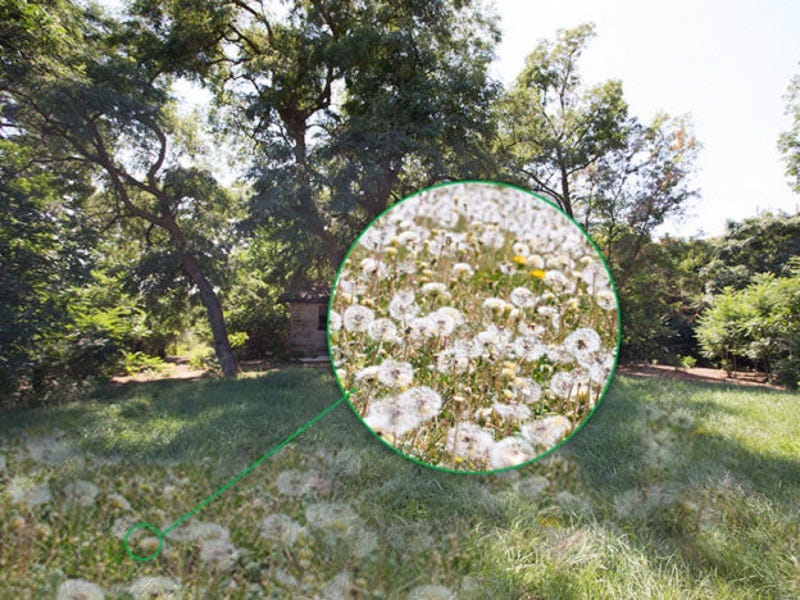
Why is it important for you to know what type of weeds you have in your lawn? Well let's explain what typically happens to your lawn when you DON'T know what type of weeds you have: One: you pick an herbicide that isn't directed for that particular weed, so the weed doesn't die and continues to spread (Not recommended) Two: you pick an herbicide that kills both the weed, and your lawn. (Also not recommended) Instead, learn how to identify some common types of weeds by reading below and start effectively addressing your weed problem. Once you know what type of weed you're fighting, you can read about the best way kill them. Main Broadleaf Weed Types in the Northwest Broadleaf weeds are the easiest to identify in the scheme of weeds. They look much like they sound and are very different from the lawn grasses we'd like to keep around. ...
Read more about Why You Need to Know Your Weeds5 Min -
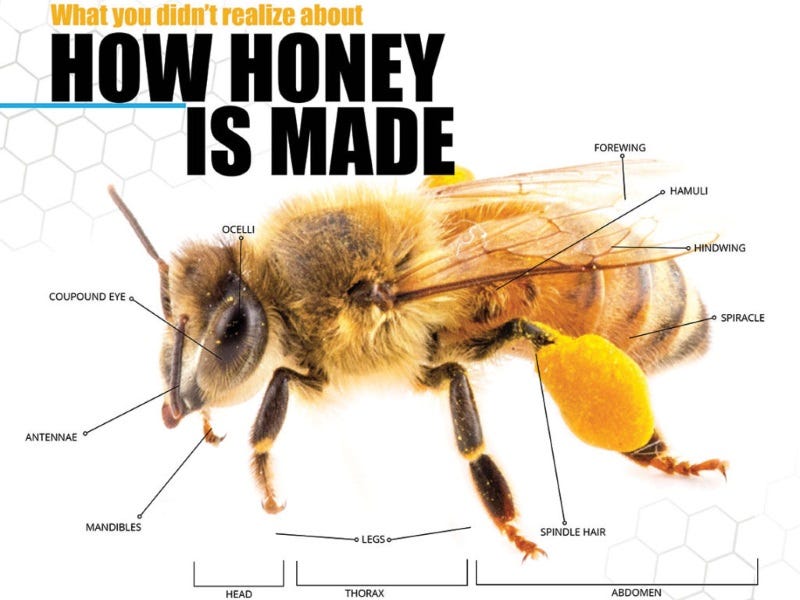
Chemistry my dear Watson, Chemistry that's how honey is made. Enzymes, disaccharides, monosaccharides- there's a brave new world on the molecular level of bees. To understand why these small, furry angels should be reared in every garden in the world, we're going to break down the process of Nectar->Honey->You. How Honey is Made: The Growing The first step in the life cycle of honey is in the ground. It's in the dormant radicule that lays all winter asleep, waiting for the frost to let up- That's just a fancy way of saying, "Honey starts as a seed." Wondering what requeening is? Bees collect nectar from flowering plants, and some of those plants start with a good garden. Even unwelcome weeds flower. Fireweed and knapweed have flowers that feed bees and become some of the most prized honey variants you can come across. So the honey ...
Read more about How Honey Is Made5 Min -
 Posted: June 28, 2016
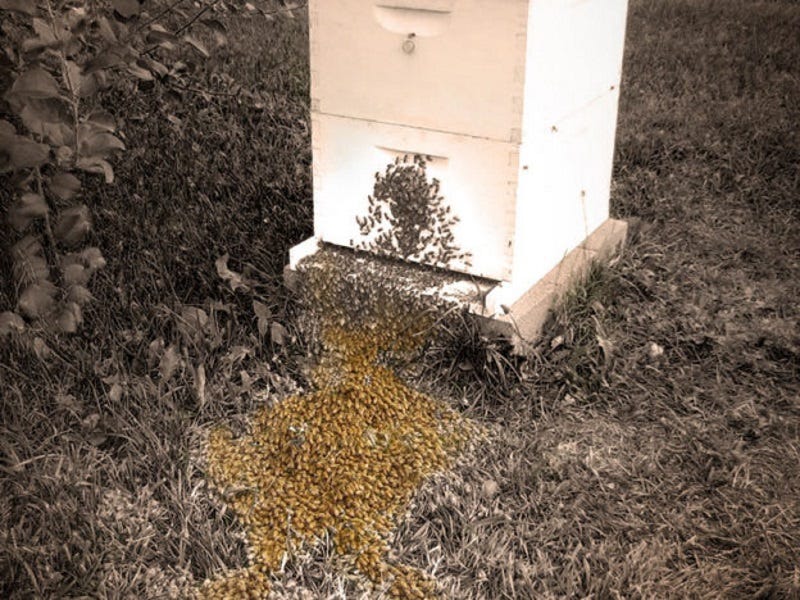
Neighbor relations are an important consideration whether you're living on 100 acres or a city lot. Having a barking dog is probably the number one way of earning someone's ire, but bringing in a beehive, or two, might be a close second if you live with neighbors close by. While most people understand and appreciate the benefit of honey bees, and gardeners in the neighborhood will undoubtedly enjoy the results of their hard work, having fifty-plus thousand stinging insects taking up residence next door can cause issues. Having bees can make your neighbors love you, or hate you, depending on how you handle it. Need Beekeeping Gear? Check Out Our Selection Here. Talking to your Neighbors before going Full-bee As with most activities that impact others, if you're going to bring in honey bees, talk to your nearest neighbors before they see ...
Read more about Beekeeping in Urban & Suburban Neighborhoods5 Min -
 Categories: Farm to TablePosted: June 17, 2016
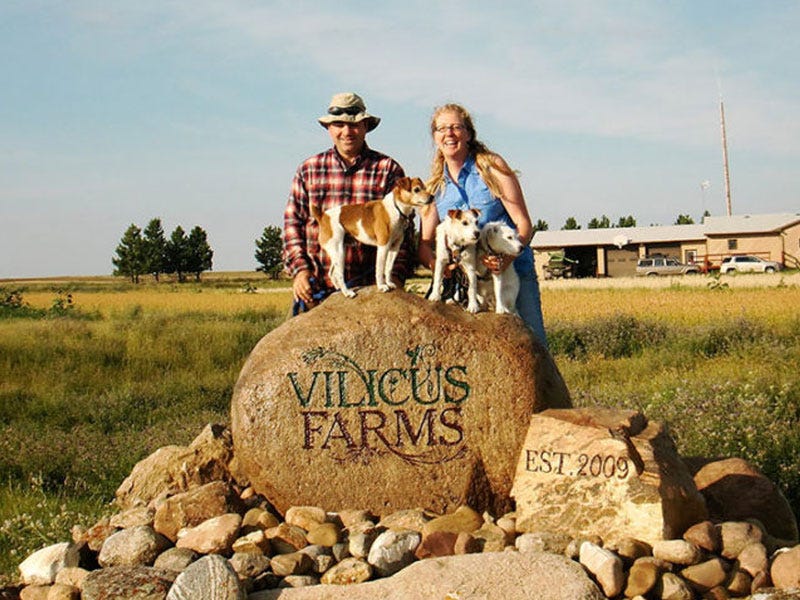
Waking up in the morning, stepping out onto your own property with no one around for miles- checking the weather and getting ready to run your own organic farm. For many people this is only a dream. Reality for most is a city life. A place where "outside the city" is a mythical place, and commuting is a second job. But a change is gonna come, and it's going to come from the organic sector, according to Doug Crabtree and Anna Jones-Crabtree. If you've dreamed of owning your own farm and producing all of your own food- while making a decent living- there's no time like the present to get into farming, and we sat down with the people trying to do get you to do just that: Vilicus Farm in Havre, Montana. Demand for Organics in the World Economy impacts Montana Farms If you've been in your local grocery store lately, you're probably aware of...
Read more about Montana Organic Farming: Getting People back to Rural America5 Min -
 Categories: ApparelPosted: June 09, 2016
Really though, she should leave these types of activities to the professionals. One just can't go on a hike and assume they'll instantaneously have sock model stardom. Look at me- It took skill, amazing hair and minutes of prep time to perform at this level of sock-awesomeness." : Sock-of-the-Month Sock Model, Drew Steinberger A certain "Zoolander-esq" former Sock-of-the-Month sock model, which shall remain nameless- Drew Steinberger, suggested that I needed to immerse myself in "our culture," as he put it. With this in mind, I found myself hiking at the base of the Bob Marshall Wilderness, nine miles northwest of the town of Augusta in the Sun River Wildlife Management Area, hunting for shed antlers. The Sun River Wildlife Management Area is 19,771 acres of pristine wildlife habitat and the winter home of one of Montana's largest e...
Read more about Sock of the Month: Fox River Trailmaster5 Min -
 Posted: June 02, 20165 Min
 -
 Categories: Pet & AnimalPosted: May 31, 20165 Min
 -
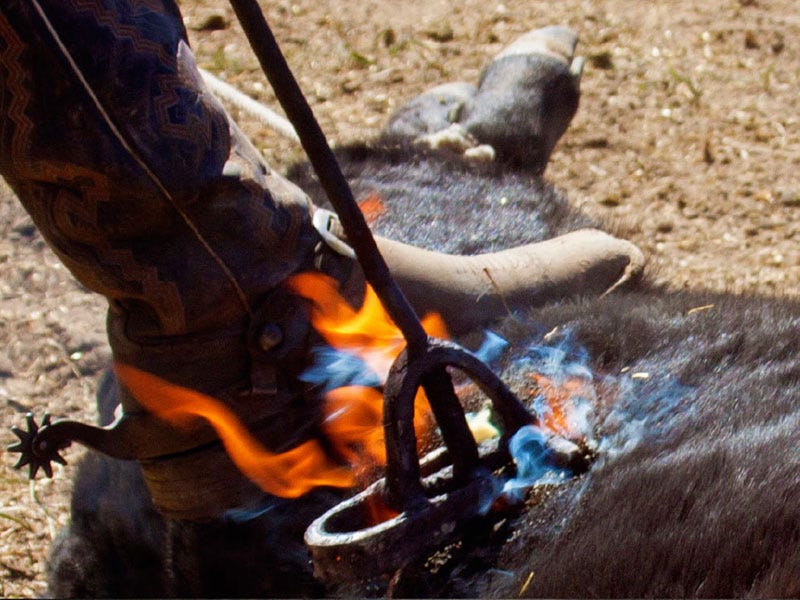
Montana has a unique tie to ranching and livestock, and this was no more apparent to me than when I started researching brands. Montana became a territory in 1864, two years after the Homestead Act. Prior to 1873, the registration of brand information was left up to individual counties. This wasn't a functioning system because news and registrations spread more slowly (or not at all) during this time period. So down around Yellowstone you could have a ranch running the same brand as a ranch up by Glacier, and they wouldn't find out till they drove their cattle to market. This was remedied when the state enacted legislature in 1872 that centralized brand registration held by the Department of Livestock. Side note: Montana is a lot different than Idaho and Washington--because the state passed legislation designating a central housing place...
Read more about Ranch Brands: History of Smoke and Hair5 Min