
Smith + Rogue's Benton Shirt
Can a Shirt Still Be 100% Made in America?
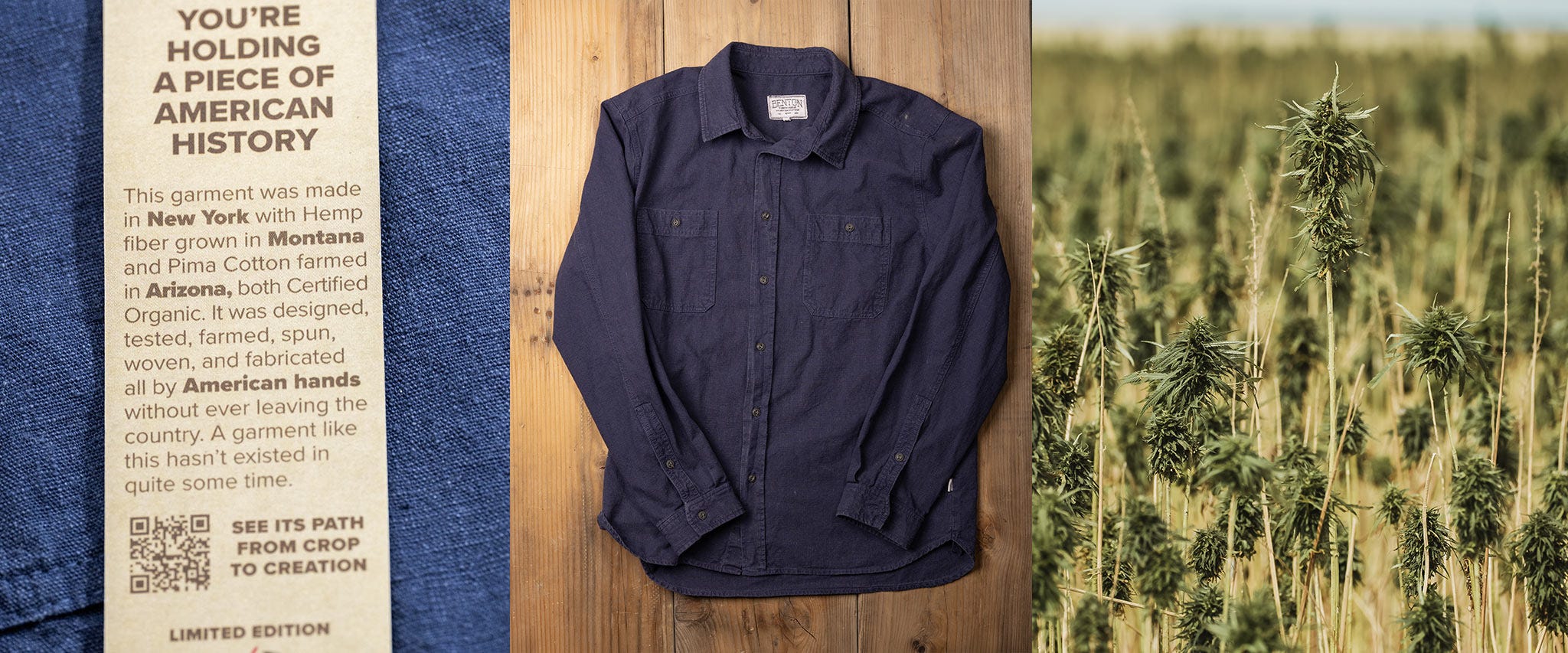
Can you still make a shirt 100% in the United States?
This was the question that Smith + Rogue and IND HEMP set out to answer. They challenged themselves to create a shirt starting in the dirt, on American farms, and never leaving the country. Not simply “assembled” or “finished” in America, but entirely grown, processed, and sewn right here.
If it could be done, it would mark the first commercially available hemp-based garment grown and sewn entirely in the United States in modern times. Despite being banned for much of the 20th century, hemp actually has a long history in this country. It was grown and used during the American Revolution to replace British goods and was even cultivated by founding fathers like Thomas Jefferson.
But could we bring it back to be grown, sewn, and sold right here in the U.S.?
The short answer: yes.
The long answer: it took a lot more work than you’d think.
IND HEMP
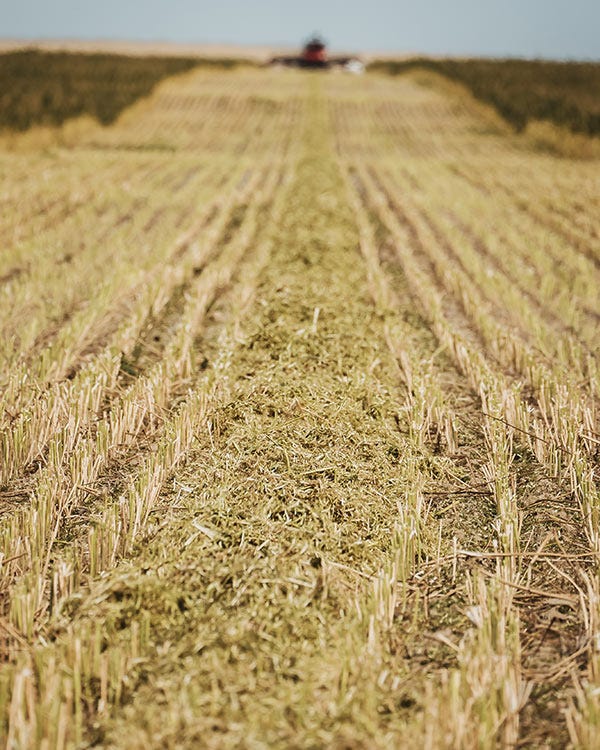
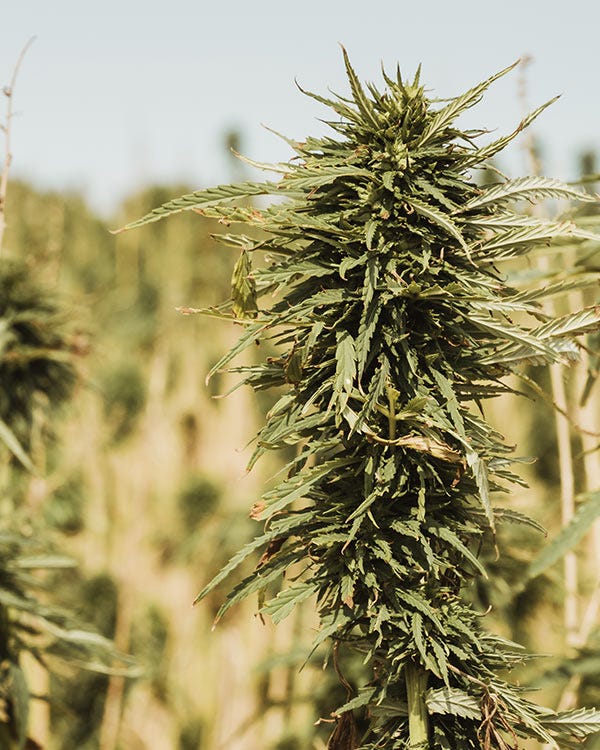
The story of the Benton Shirt begins with the return of industrial hemp, brought back to north-central Montana after decades of restriction.
The folks in Fort Benton saw an opportunity, and IND HEMP was born. IND HEMP is one of the first true hemp grain and fiber processing facilities in the United States, handling both hemp seed and hemp-based fiber. Family owned, IND HEMP is dedicated to producing safe, high-quality hemp products for a variety of industries and consumers.
The hemp itself is grown on local family farms and then processed in Fort Benton.
Turning that raw material into a shirt, however, is where things become more complicated. It still must be spun, woven, dyed, cut, and sewn.
Meet Nathan Keane, a local farmer in Central Montana who crops include hemp, and see how this crop really works in this episode of Homegrown In the Northwest
Why Hemp?
Why not use cotton, polyester, or other easier and cheaper materials?
Hemp might feel new to the market, especially here in the United States, but it is one of the oldest textile fibers in the world.
And it brings some serious advantages.
Hemp fibers are significantly more durable, often estimated to be up to three times stronger than cotton. That means better resistance to tearing, pilling, and stretching over time. While it may feel a bit tougher or stiffer at first, it softens with wear and develops a more comfortable feel the longer you use it.
Beyond durability, hemp also offers a range of natural performance benefits:
-
Highly breathable – Hemp fibers are porous, allowing strong airflow to help keep you cool in warmer conditions.
-
Moisture-wicking – Those same fibers pull sweat away from your skin and move it to the surface where it can evaporate. This is a natural property, so it will not wash out overtime.
-
Antimicrobial and antibacterial – Hemp naturally resists bacteria and fungi, helping reduce odor buildup.
-
UV resistant – Its tight fiber structure helps block UV rays, even outperforming other natural fibers like linen, and helps prevent fading, even when wet.
Smith + Rogue
For decades, textile production has largely moved overseas. When it came time to build a domestic supply chain, finding the right partners was not easy.
Enter Smith + Rogue.
Based in Great Falls, Montana, Smith + Rogue was already working with hemp in several of their products, including their best-selling Original Canvas Bibs. They had long been exploring the idea, alongside IND HEMP, of creating a fully American-grown hemp garment.
The idea of sourcing materials from farmers right in their own backyard was not something they could ignore.
So they committed to it.
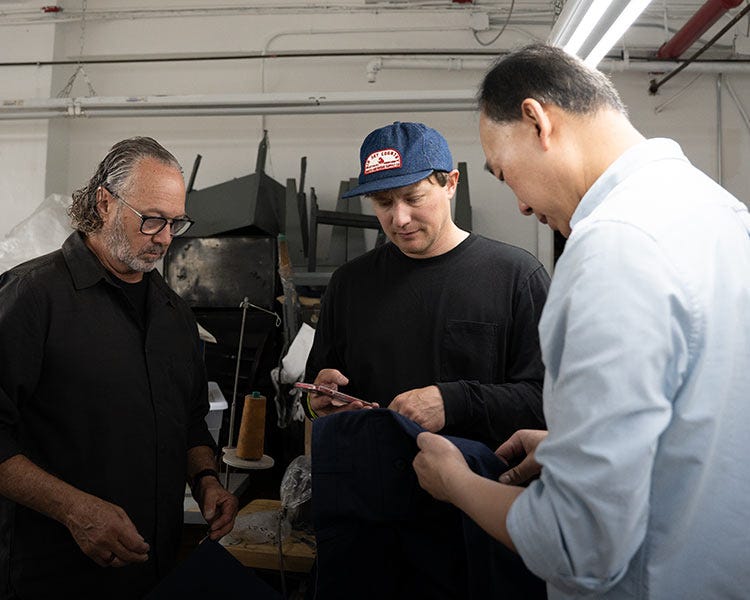
The two companies began planning more than four years before the Benton Shirt became a reality, working through designs, logistics, sourcing, and the challenges of building something that did not already exist.
Rebuilding the Supply Chain
Smith + Rogue knew their customers would want more softness than hemp alone typically offers. They looked for a complementary material and found it in Arizona-grown Pima cotton, the same high-quality cotton they already trusted.
They blended Montana hemp with American-grown cotton to create a fabric that balances durability with comfort.
From there, the journey looked like this:
-
Cotton from Arizona
-
Hemp from the Meissner family farm in Montana refined by IND HEMP
-
Fiber sent to North Carolina to be further refined and blended
-
Then to another facility in North Carolina to be spun into yarn
-
Down to South Carolina for weaving
-
Finished processing in Georgia
-
Finally sent to New York City to be cut and sewn into the finished shirt
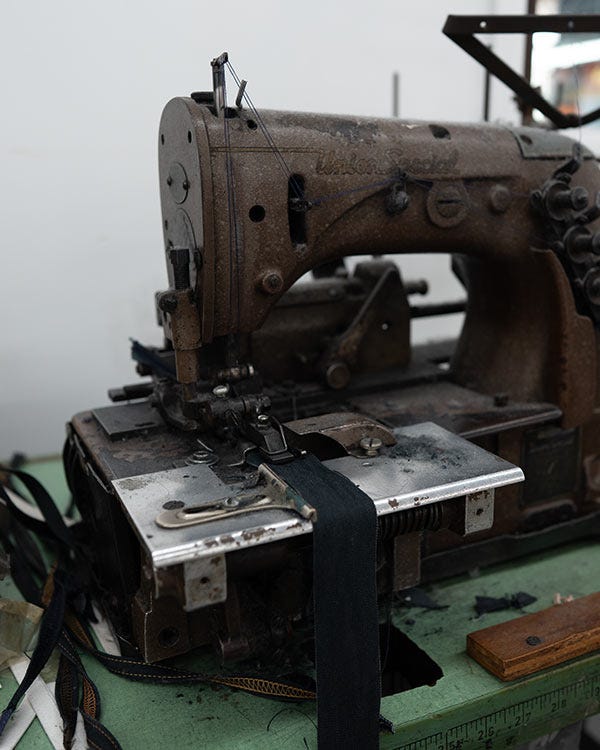
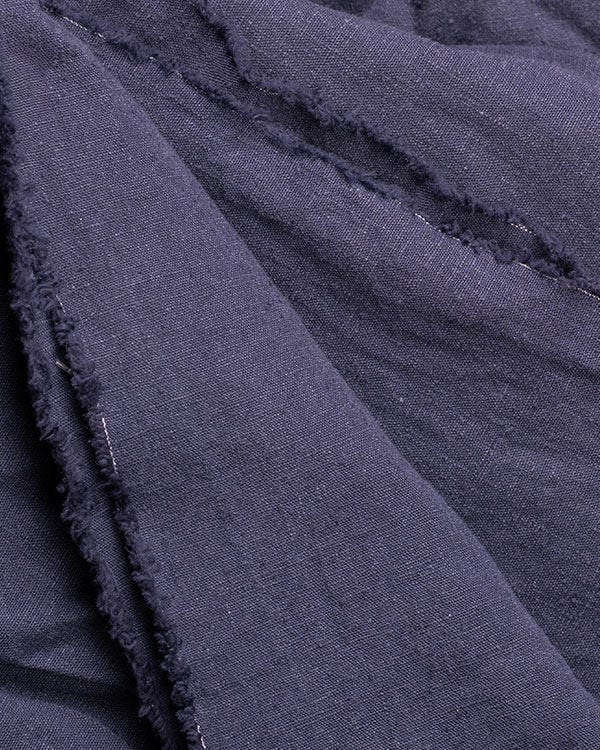
The initial run was limited to just a few hundred men’s work shirts because that is all this experimental supply chain could handle.
There are very few players left in American textiles. Convincing companies to fit a small run of hemp-based material into their schedules proved to be one of the biggest challenges. On top of that, the cost of moving materials across the country, rather than overseas, added up quickly.
Because they were essentially building a supply chain from scratch, there were also setbacks such as shipments going missing, prototypes that had to be redone, and timelines stretching longer than expected.
What started as an idea for a hard-working shirt became a project defined by a lot of hard work.
The Shirt Itself
Fort Benton is the oldest continuously occupied settlement in Montana, and that history played a major role in the shirt design.
The silhouette pulls from an earlier era, featuring:
-
A vintage arched back yoke
-
A wide center front placket
-
Adjustable cuffs
-
Classic sleeve plackets
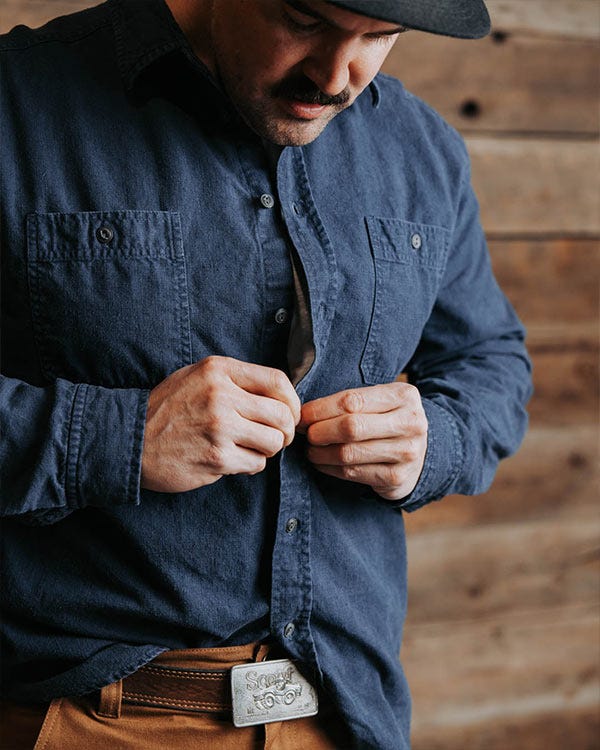
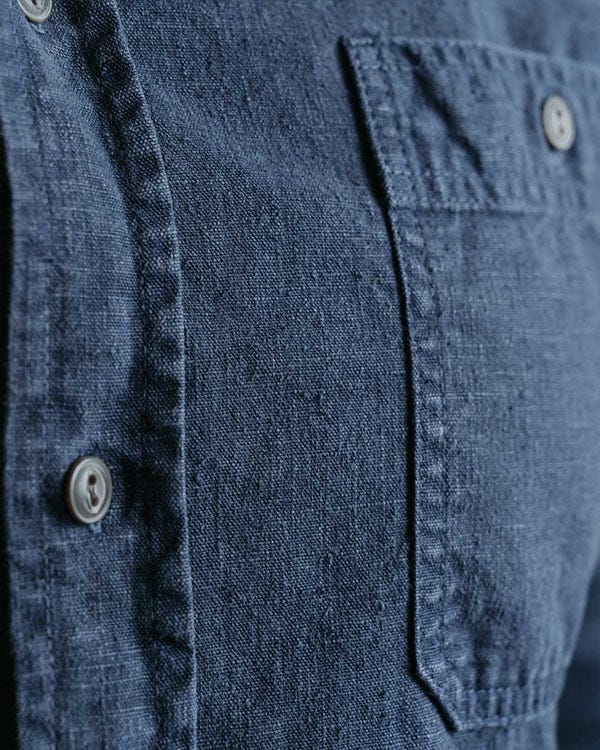
The details go even further.
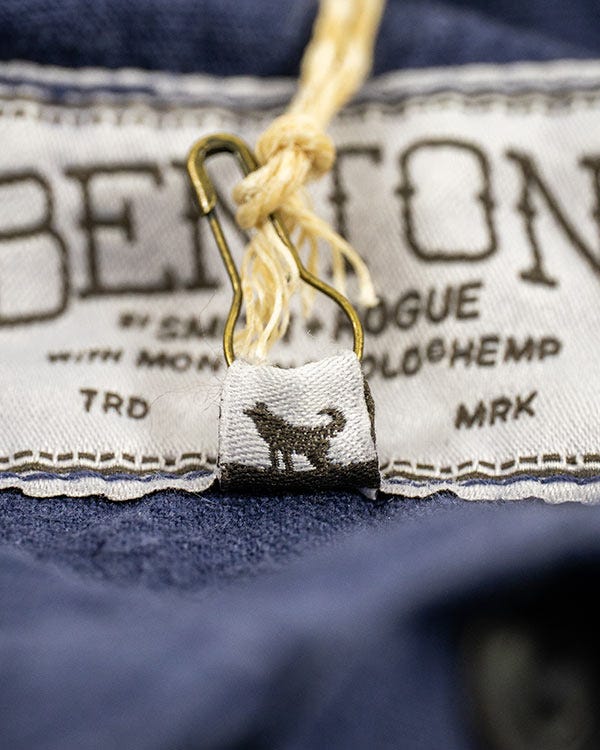
The buttons use a traditional two-hole cat-eye design. The neck label features a hand-drawn logo that was inspired by the Fort Benton sign. The tag includes a nod to Shep, the famous Fort Benton sheepdog, tying the shirt back to local history.
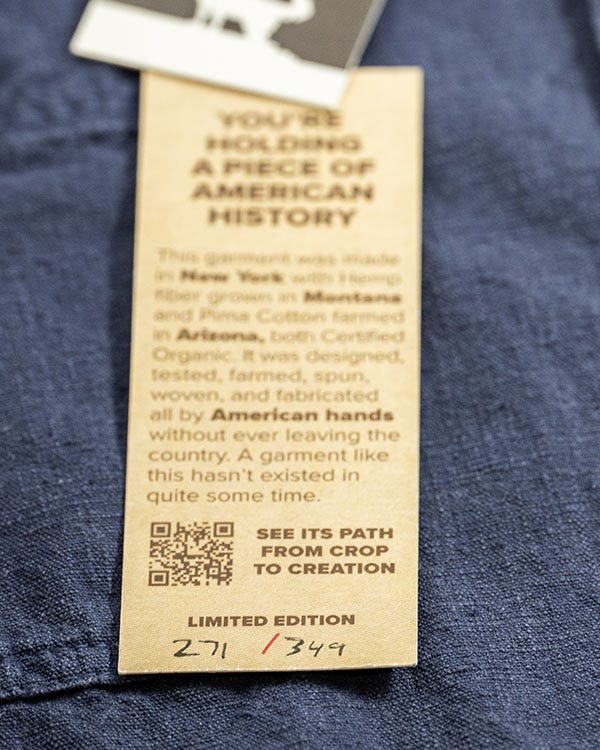
Even the hangtags were thoughtfully sourced. They are made using hemp materials, created locally, and each one is individually hand numbered. This marks the significance of the first run and what it represents.
The Bottom Line
This is not just another work shirt.
It is a piece of a much bigger story, one that starts in Montana fields, moves across the country, and represents something that has not been done at scale in a long time.
And if it is any indication of what is possible, it is just the beginning.
You can find the Benton Shirt at select North 40 locations or online at north40.com.
Read more about Smith + Rogue Products
Warm, Worn, & Ready
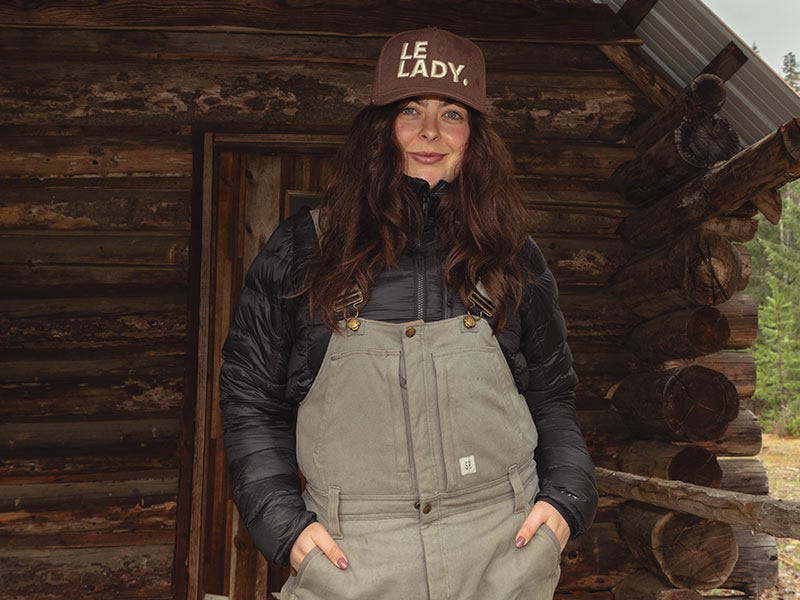
For Maddie Albertson, ranch life doesn't always happen on a schedule. Cattle doesn't care if it's snowing. They definitely don't care if you're comfortable.
Smith and Rogue OC Overalls
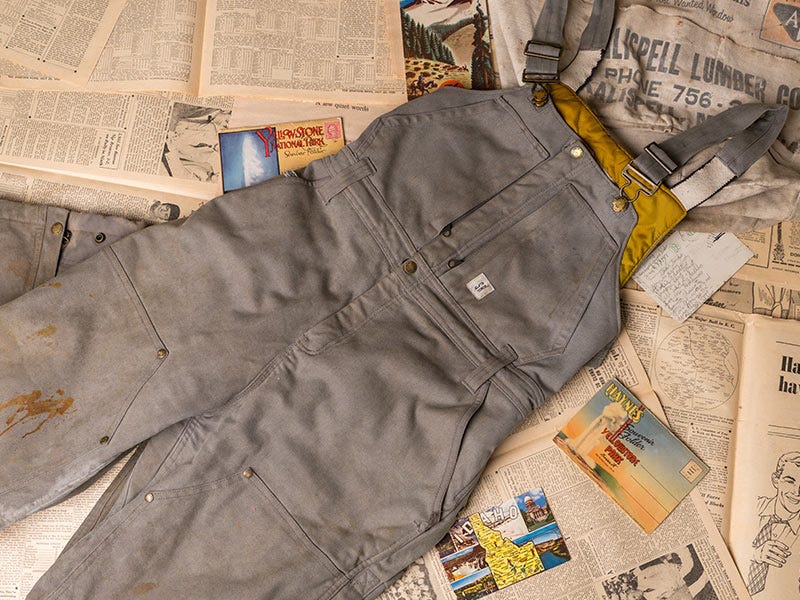
Not all clothes are meant to stay clean and pristine. When you’re doing real work, the requirements for your clothes start to shift.