
How to Build a DIY Hydroponic Garden and Grow Food Without Soil
Can gardening with good choices and innovation improve your budget?
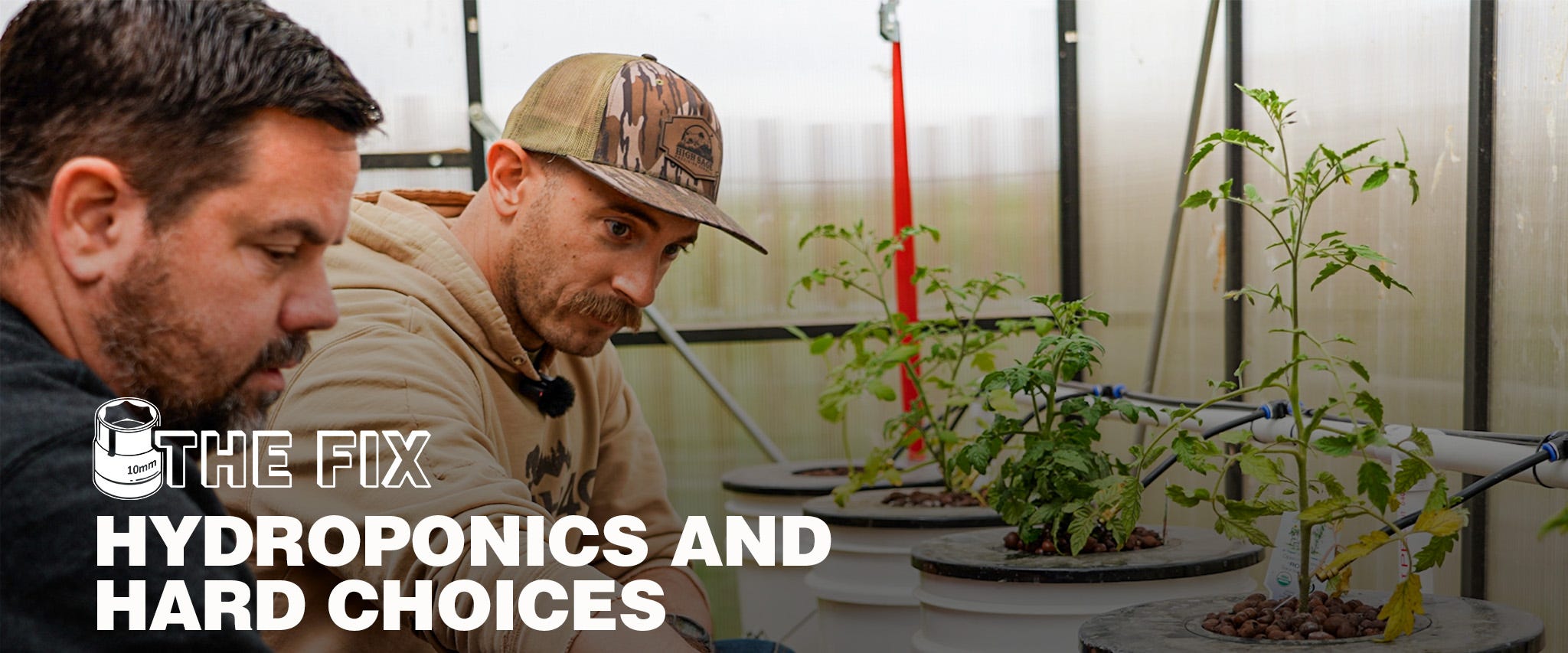
Hydroponics and Hard Choices
With the cost of food and a lot of other things on the rise, we’re looking for ways to save, conserve, and innovate. One of the ways to do this is gardening. For a fraction of the cost (and 4x the sweat equity) you can grow some of your groceries. Of course, there are some things to consider, but that’s what this episode is all about - helping you find a way to garden that’s fruitful (pun intended). So let’s break this down into two parts: hydroponics and garden choices.
Hydroponics
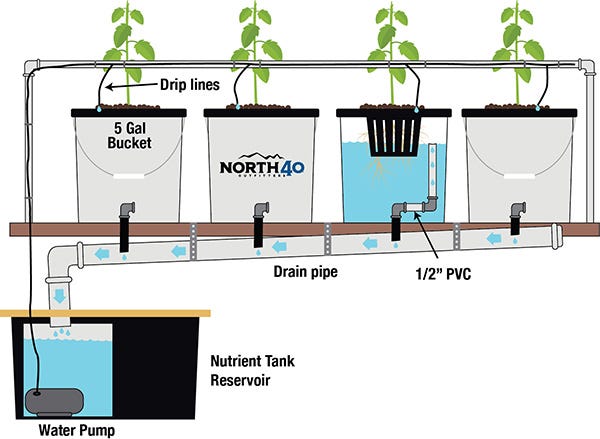
As complicated as it may seem, hydroponics is actually one of the simplest ways to garden. As Adam and Tanya explain in the video, it’s scalable, inexpensive, and there’s a variety of plants that it can work with. Hydroponics is gardening with just water, no soil. This may be ideal if you are very limited on space or just want to get started with a single plant like tomatoes, but because you can scale it up, if you get the hang of it you can build on it easily. Here’s a basic description of Tanya and Adam’s system:
-A tote bin holds the bulk of the water. Tanya and Adam dug a hole so the top of theirs is at ground level. In the bin is a simple fish tank water pump that pumps the water through a drip system hose. The drip hose is supported by a simple PVC frame that holds it at the right height behind the plants. At each plant station the drip hose tees off to the plant and terminates with an adjustable nozzle so it is constantly watering the plant.
-Plants sit in baskets built into bucket lids on top of 5 gallon buckets. The baskets contain some kind of “substrate” for the roots to grab hold of a stabilize the plant. Tanya and Adam chose to use clay pebbles.
-The water level in each bucket is regulated by a piece of ½” PVC pipe cut to stop just above the bottom of the baskets so the bottoms of the baskets stay in the water. Through a couple of 90 degree ½” PVC connections, that pipe exits the bucket and drains into a 3” PVC pipe set at an incline to carry the water back into the bin. So when the water level in the bucket reaches the top of the pipe, it drains out and maintains the water level.
Below is a simple graphic of Tanya and Adam’s system: One design note: sealing the hole where the pipe comes through the bucket may require some creativity. Talk to the associate at your local North 40 – they can help - but having a tube of silicone caulk handy would be a good thing to seal up any leaks.
Here’s a linked list of materials they used.
This gives you enough to adapt hydroponics to your specific needs and situations. You can figure this out! Like Adam says in the beginning of the video, it’s about learning from your mistakes and figuring out what works for you. Keep the water circulating and regulate the PH with white vinegar to make it more acidic and sodium bicarbonate (baking soda) to make it more alkaline.
Gardening choices
I’ve spent years with failing gardens, getting excited about cool plants, only to have them yield little to no fruit, or so little that it felt pointless. If you’re like me – intrigued by good packaging and photos – you’ve been here too. This is the point where we have to make some difficult choices if we really want gardening to save us money on groceries. Before you buy that purple pumpkin seed pack or the seeds for something you’ve never heard of, do some cursory research. How long is your growing season? What's the ideal climate for the plant? Here are a few things that we learned from Adam and Tanya…
-
Choose things that you can preserve and learn to can. North 40 has partnered with Tanya to teach people how to can and preserve – here’s one of those videos. Preserving is a way to not just grow food you would otherwise purchase but make it last for months. Salsa is one of my favorites. Tomato sauce is another easy one. If you can conquer the canning obstacle, it will go a long way in helping you choose what to grow. For me, I chose to only plant things I could preserve through canning this year – tomatoes, jalapenos, cucumbers, and beans.
-
Leafy greens are often not worth it. As amazing as it can be to have fresh lettuce or spinach, to have it all season requires a ton of space and unless you stagger your planting, it’ll all be ripe around the same time and then it’s pretty much done, especially if you live somewhere with a short growing season like we do. This is a hard decision but if you’re really wanting to do this in a way that’s productive and you live in the NW, skip these plants and just buy them when you need them
-
When you find something that doesn’t yield a lot, stop planting it! Depending on where you live, there are a lot of things that may not work because of sun, temperature, wind, moisture, or soil content. Tanya talks about abandoning corn in the video and how it was a hard decision but one that saved them time and space to grow things that DID work and yielded much better.
-
Lastly, connect with your community. You’re not the only one trying to grow. Find out what doesn’t work from your neighbors. Connect with your local Master Gardener. Find a local Facebook group and ask questions. It will save you time and money.
Here’s to your gardening journey and stay tuned to The Fix for updates on Tanya and Adam’s hydroponic system!
Check out more episodes of The Fix



Tucker brings more than 15 years of hands-on experience in construction and remodeling to the North 40 blog. His background includes interior and exterior carpentry, plumbing, electrical work, drywall, and a wide range of repair and building projects. Years of solving real-world problems on the job have given him a practical perspective on the tools, techniques, and materials that help get work done right.
A dedicated tool user and industry enthusiast, Tucker enjoys following the latest innovations from manufacturers and exploring how new designs can improve efficiency, performance, and results. Whether tackling repairs, building something new, or testing the latest equipment, he’s always looking for smarter ways to work. Tucker has called Montana home since 2014 and has been part of the North 40 Outfitters team since 2025.