
Fall Lawn Preparation: 3 Simple Steps for a Healthier Spring Lawn
An easy and inexpensive strategy
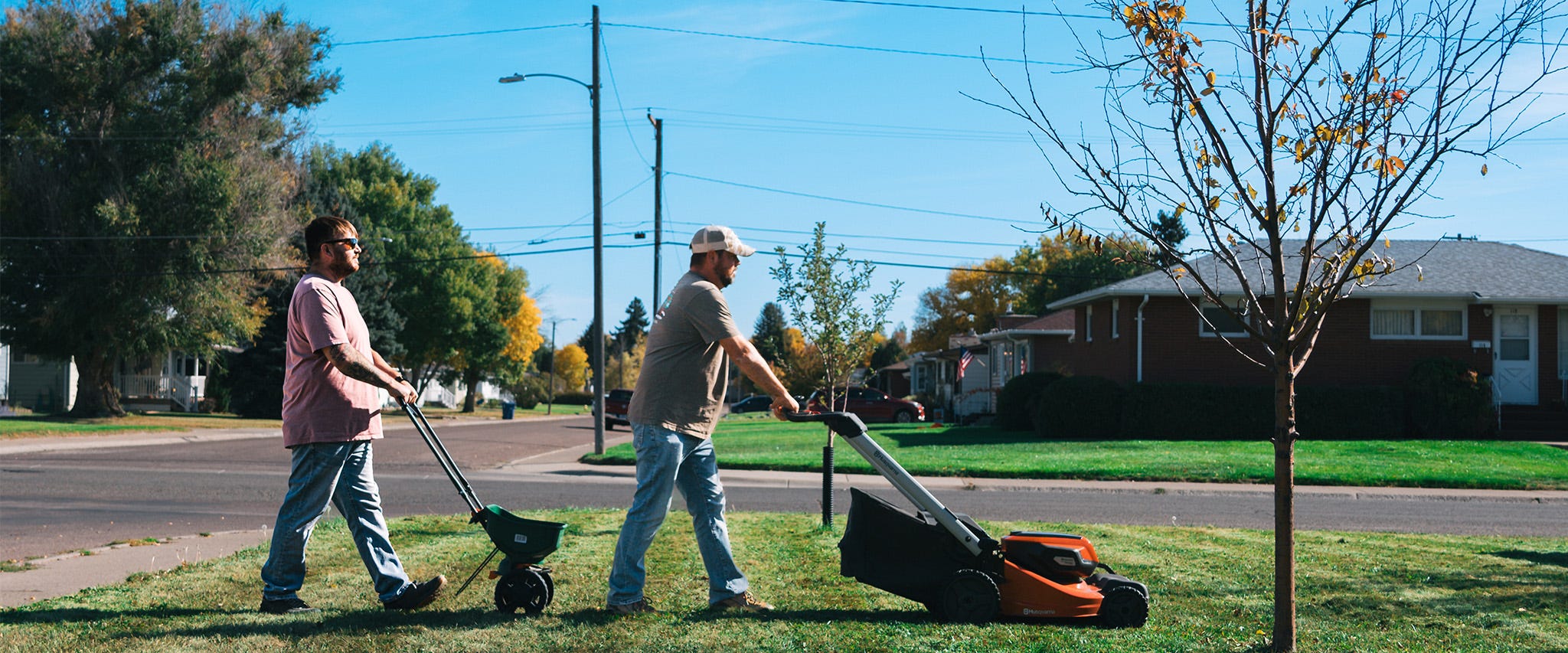
How do you prepare your lawn for winter? The best approach is to mow your lawn for a final cut, apply a fall fertilizer, and overseed. These three simple steps can help grass store nutrients through winter and encourage healthier growth in the spring. Read on for the details.
Video Summary
- Why we decided to improve our lawns
- Advice from North 40 master gardener Maria
- Spring lawn improvements
- Summer maintenance
- Strategy for the final cutting of the season
- Fall fertilizing and overseeding
- What we'll report back on next spring
Quick Answers – How to Prepare Your Lawn for Winter in 3 Steps
- Mow the lawn as low as your mower will go and bag it
- Apply a fall fertilizer
- Overseed
The Goal
We set out this year to do something with our lawns. We didn’t want to go nuts and spend a ton of time or money, but we wanted to put some effort into it. We started by connecting with Maria – Maria, a certified Master Gardener and North 40 Outfitters associate, helped us create a simple lawn care plan focused on practical results and realistic budgets. She specializes in gardening and lawn care in the Northwest – to get some great advice from an expert that we could put into practice right away. Following Maria’s advice, at the beginning of the season, we got to work on our easy and inexpensive plan – watch the video here. But that was only part of the process. We were also mindful or our lawns throughout the summer season, watering consistently and overseeding bare spots, but the final step happens in the fall – prepping the lawn for winter so it looks good from the start next year.
Again – easy and inexpensive was our goal. We have jobs and families that are way more important than our lawns, but we wanted our lawns to look better and healthier so that the time spent with our families was a bit nicer in a nicer yard. We live in Montana and our stores span Montana, Idaho, and Washington, so when the weather finally breaks after the winter, we want to spend as much time outside as we can! That was our motivation. Here was our process.
Step 1- Mow Low & bag it
This is pretty simple. When you’re ready to mow your lawn for the last time, cut it as low as you can and bag it. You want to be mindful of the weather in your region to decide when this happens. For us in Montana and the Northwest, we knew our first snowstorm was coming and even if it warmed up a bit after that, it was a big enough storm to pretty much put the grass into hibernation mode and it was going to stay decently cooler at night. If you don’t get a lot of snow, just watch the temps. When it starts dipping into the 30s after your first frost, you’re probably good to go with step one. So, mow it as low as you can – drop that mower all the way down – and bag it if you can. The point is soil access – so you’re cutting the grass low but also getting the thatch (the decomposing grass sitting on the soil) up so the fertilizer and seed can get right to the soil bed. If you don’t have a bagger, you can always just side discharge it instead of mulching and rake it up. This is the most time-intensive step. For my 6,200 sq. ft. lawn I was dumping my bag every few minutes and ended up with about 10 large bags of clippings.
Step 2 – Apply a Fall Fertilizer
Choose a good fall fertilizer and spread it on the whole lawn. We chose the Scotts WinterGuard Fall Lawn Food. It was about $25 a bag and it took about a bag and a half when paired with our Scotts broadcast spreader set to the dispersion rate according to the bag instructions (which was 2 ¾ or 6 for a drop spreader). Save whatever is leftover in a dry place for use next year.
Step 3 – Overseed
We had enough seed leftover from our mid-season overseed (that we did after the weed-n-feed had sat for about 4 weeks) to overseed our lawns so we didn’t end up needing to purchase new grass seed for this step. We were using the X-Seed brand – the “select mix” for my lawn and Travis used the “high traffic” blend for his. Both were a around $20 per bag.
Conclusion
If you're looking for an inexpensive way to improve your lawn next spring, focus on three simple fall tasks: mow low, apply a winter fertilizer, and overseed thin areas. All in, less than 2 hours per lawn and about $25 (another $20 if we would’ve need to buy seed again). That’s pretty easy and inexpensive. Our lawns were already looking a lot better after the steps we took earlier in the year and we’re excited to see the results of this fall process. We’ll touch base with you in the spring about how it’s going and our easy and inexpensive next steps.
Frequently Asked Questions
- When should I fertilize my lawn before winter?
- Apply fall fertilizer after your final mowing but before the ground freezes.
- Is Fall a good time to overseed?
- Yes. Cooler temperatures and reduced weed pressure make fall one of the best times to overseed many lawns.
- Should I mow my grass shorter before winter?
- A shorter final cut can help reduce matting and improve soil access for fertilizer and seed.
- What lawn fertilizer should I use in the fall?
- Choose a fertilizer specifically designed for fall feeding and follow label instructions for the spreading rate.
- Can you improve your lawn without spending a lot of money?
- Yes. Simple tasks such as a final mow, applying a fall fertilizer, and overseeding can significantly improve lawn health without requiring major renovation or expensive equipment.


Tucker brings more than 15 years of hands-on experience in construction and remodeling to the North 40 blog. His background includes interior and exterior carpentry, plumbing, electrical work, drywall, and a wide range of repair and building projects. Years of solving real-world problems on the job have given him a practical perspective on the tools, techniques, and materials that help get work done right.
A dedicated tool user and industry enthusiast, Tucker enjoys following the latest innovations from manufacturers and exploring how new designs can improve efficiency, performance, and results. Whether tackling repairs, building something new, or testing the latest equipment, he’s always looking for smarter ways to work. Tucker has called Montana home since 2014 and has been part of the North 40 Outfitters team since 2025.