10 Essential Tools Every Homeowner Should Have
Do you have these vital pieces?
The Tools We All Need
What are the basic most essential tools that everyone should have in their house? Whether you're a pro DIYer that does your own repairs or someone who is just getting started and wanting to learn, this episode will give you a list of essentials that you'll need close at hand all the time. It might serve a reminder for those of us that are already years deep in DIY fixes of the tools we need to keep close at hand.
Why a “House Tools” Set Belongs Inside (Not in the Garage)
If you’ve ever needed to tighten a hinge, open a package, hang a picture, or free a stuck drain clip, you know the pain of running out to the garage to hunt for tools. Keep a compact, go‑to set inside the house—you’ll use it far more often (and save a ton of time).
1) Needle‑Nose Pliers: Tiny Spaces, Precise Grabs
These are the “I can’t reach it, but I need to” heroes—perfect for fixing jewelry, pulling debris from drains, and any little retrieval job where fingers won’t fit. Inexpensive, ubiquitous, and worthy of permanent junk‑drawer status.
Buying tip: Choose a pair with comfortable grips and a fine, aligned tip so you can pinch small parts without slipping.
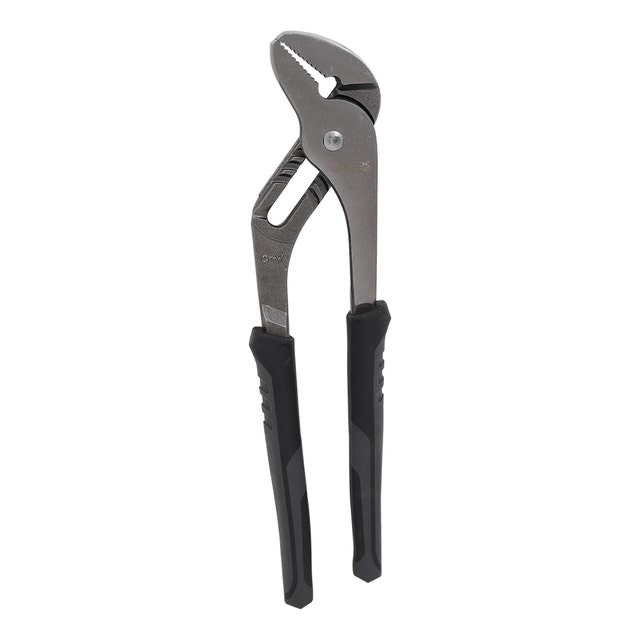
2) Tongue‑and‑Groove Pliers (aka Channel Locks): Grip With Range
From hose clamps to under‑sink plumbing, the adjustable channel lets you widen or narrow the jaw and apply real torque. They bridge the gap between small, fussy plier jobs and bigger nuts like the ones on drain pipes—often better than standard pliers thanks to leverage and jaw adjustment.
Buying tip: A mid‑length pair offers the best mix of reach and control for home use.
3) Diagonal Cutters (Wire Cutters): Cut Clean, Cut Close
Whether you call them diagonal cutters, nippers, or wire cutters, these are for snipping wire, zip ties, and even trimming small nails or screws if you get right down near the pivot. They’ll also gently lever out brad nails when used carefully.
Buying tip: Look for hardened cutting edges and a smooth hinge so you don’t crush soft metals.
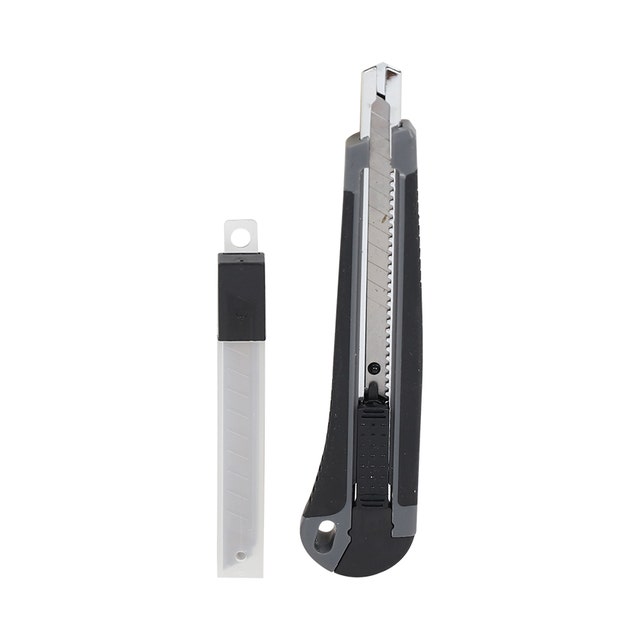
4) Snap‑Off Utility Knife: Always a Sharp Edge
Open boxes, score drywall, strip sheathing, cut carpet or padding—this is the knife you won’t mind abusing because you can snap to a fresh edge in seconds. A sharp blade is safer and cleaner for detail tasks.
Buying tip: Get a sturdy, locking body and keep spare blades handy; carpet and drywall will dull edges fast.
5) Tape Measure (16 - 25 ft): Measure, Don’t Eyeball
Furniture spacing, blinds, shelves—precision beats guesswork. A bright, easy‑to‑find tape with clear fraction marks makes life easier, especially if you’re still getting comfortable reading 1/16ths. Keep a small one in‑drawer and a longer one in the house tool bag.
Buying tip: High‑visibility casing helps you find it; dual‑sided or fraction‑labeled blades speed up marking.
6) Ratcheting Multi‑Bit Screwdriver (or a Stubby)
A comfy, reversible ratcheting handle plus on‑board bits covers most hardware in the house—door plates, cabinet pulls, toys with tiny battery doors (that #1 Phillips gets a workout). Keep a stubby screwdriver nearby for tight cabinets and cramped corners. Magnetic tips help keep little screws from dropping.
Buying tip: Prioritize solid ratchet action, bit storage in the handle, and at least Phillips, slotted, and square bits.
7) Super Glue + Duct Tape: The “Hold It Together” Duo
For quick fixes where you just need to keep something in place—or make a repair last—duct tape and a small bottle of super glue are invaluable. Safety first: store super glue out of children’s reach and keep the proper solvent on hand.
Home tip: Duct tape buys time on a crack or loose panel; super glue can make surprisingly durable chip repairs on household items (cosmetics may show, but function wins).
8) 3/8‑Inch Ratchet & Socket Set
A compact 3/8″ drive with extensions and both shallow and deep sockets is perfect for furniture assembly and general home tasks. You’ll still lose that one socket everybody loses—but you can replace singles as needed.
Quick refresher: SAE = inches; Metric = millimeters. Many sets come in both; for home use, an SAE set handles lots of furniture and hardware.
9) Drill & Impact Driver: The Power Pair
Drill: best for drilling clean holes and light driver tasks when you want clutch control. Impact driver: best for driving screws/fasteners quickly with less cam‑out; with an adapter, it can speed up socket work, too.
Buying tip: Compact 12V or 18V kits are great at home; look for bright work lights, quick‑change chucks, and adjustable clutch on the drill.
10) Hex‑Shank Drill & Driver Bit Set (Quick‑Change)
Pair your drill/driver with a bit kit that includes hex‑shank drill bits (pop straight into an impact or quick‑change chuck), a range of driver bits, and a quick‑release holder. High‑quality sets that swap bits fast and stay organized are worth it—bonus points if they’re made in the USA.
When a Pre‑Packed Home Tool Kit Makes Sense
If you’re just getting started—or outfitting a dorm or first apartment—a ready‑made kit can be a smart, simple buy. Expect the basics: channel‑locks, level, hex keys, utility knife, scissors, small screwdrivers, a compact socket set, driver bits, a quarter‑inch ratchet, needle‑nose pliers, diagonal cutters, tape measure, an adjustable wrench, and a hammer.
Quality can be lighter than individually selected tools, but for light duty, these kits are totally functional and convenient. Over time, upgrade the high‑use tools and keep the kit as your portable house set.
Quick Home Tool Checklist
- Needle‑nose pliers
- Tongue‑and‑groove pliers
- Diagonal cutters (wire cutters)
- Snap‑off utility knife + spare blades
- 16–25 ft tape measure (high‑vis, fraction markings)
- Ratcheting multi‑bit screwdriver (+ stubby)
- Super glue + duct tape (store glue safely with solvent)
- 3/8″ ratchet & socket set (SAE) with extensions
- Drill & impact driver combo (with clutch on the drill)
- Hex‑shank drill/driver bit set with quick‑release holder
FAQs
Q: What’s the difference between a drill and an impact driver?
A: A drill is for precise hole‑making and light driving with adjustable clutch; an impact driver is optimized to drive screws and fasteners faster with less stripping thanks to its hammering action. Many DIYers use both for speed and control.
Q: Do I need both SAE and metric sockets at home?
A: Much household hardware and flat‑pack furniture in the U.S. still uses SAE sizes; a compact SAE set covers a lot. If you work on appliances, bikes, or imported furniture, adding metric is helpful.
Q: Is a pre‑made tool kit worth it for beginners?
A: Yes - kits deliver the essentials in one grab‑and‑go case. They may not match the durability of individually chosen pro tools, but they’re perfectly fine for light household repairs and a great place to start.
Q: Which tools should I upgrade first?
A: Upgrade daily drivers: tape measure, pliers you use most, multi‑bit screwdriver, and your utility knife. You’ll feel the difference in precision and comfort immediately.
Final Word
Whether you’re outfitting a first home, stocking a dorm, or just moving tools from the garage to a kitchen cabinet, this list covers the most‑used gear you’ll reach for week in, week out. Build it once, keep it accessible, and you’ll fix more with less frustration.

Tucker brings more than 15 years of hands-on experience in construction and remodeling to the North 40 blog. His background includes interior and exterior carpentry, plumbing, electrical work, drywall, and a wide range of repair and building projects. Years of solving real-world problems on the job have given him a practical perspective on the tools, techniques, and materials that help get work done right.
A dedicated tool user and industry enthusiast, Tucker enjoys following the latest innovations from manufacturers and exploring how new designs can improve efficiency, performance, and results. Whether tackling repairs, building something new, or testing the latest equipment, he’s always looking for smarter ways to work. Tucker has called Montana home since 2014 and has been part of the North 40 Outfitters team since 2025.