Processing your own game is an enjoyable, practical, and cost-effective way to bring your hunt full circle. It gives you a feeling of satisfaction that you’ve been able to control every step of the process from; choosing your seasonings, to controlling the portions, to being certain that your meat -is your meat. And, not to mention, you are defiantly saving yourself the expense of sending your game to the butcher. (There are no extra costs here for add-ons like summer sausage or jerky.)
From adjusting the table height to using heaters to keep your hands warm, there are many tips and tricks that make game processing easier. In this video, we share our game processing techniques to make the job a whole lot easier, faster, and more efficient.
Video Transcription
Tips and Tricks for Processing Game...
Read more about How to Make Game Processing Easier? Tips and Tricks
Processing your own game is an enjoyable, practical, and cost-effective way to bring your hunt full circle. It gives you a feeling of satisfaction that you’ve been able to control every step of the process from; choosing your seasonings, to controlling the portions, to being certain that your meat -is your meat. And, not to mention, you are defiantly saving yourself the expense of sending your game to the butcher. (There are no extra costs here for add-ons like summer sausage or jerky.)
Processing your own game is easy but you will need a few tools to get started such as; a clean cutting surface, a grinder, a sharp knife, and a way to sharpen your knife. In this video, we explain the tools you’ll need plus, we’ll help you figure out how big of a meat grinder you should use and what type of knife is best for game...
Read more about What do I Need to Get Started Processing my Own Game?
Processing your own game is an enjoyable, practical, and cost-effective way to bring your hunt full circle. It gives you a feeling of satisfaction that you’ve been able to control every step of the process from; choosing your seasonings, to controlling the portions, to being certain that your meat -is your meat. And, not to mention, you are defiantly saving yourself the expense of sending your game to the butcher. (There are no extra costs here for add-ons like summer sausage or jerky.)
Depending on how long you plan on storing your game meat in the freezer, you will want to either vacuum seal it or wrap it in freezer paper. In this video, we explain the pros and cons of using vacuum sealing and freezer wrapping to package your meat for the short term or the long haul.
Video Transcription
Freezer Paper for...
Read more about How do I Package my Game for the Freezer? Paper vs. Vac Seal
Processing your own game is an enjoyable, practical, and cost-effective way to bring your hunt full circle. It gives you a feeling of satisfaction that you’ve been able to control every step of the process from; choosing your seasonings, to controlling the portions, to being certain that your meat -is your meat. And, not to mention, you are defiantly saving yourself the expense of sending your game to the butcher. (There are no extra costs here for add-ons like summer sausage or jerky.)
When making hamburger, summer sausage, bulk sausage, and snack sticks, at a minimum, you’ll need a grinder. In this video, we explain the tools and accessories, mixes, and kits you’ll need to get started.
Video Transcription
Getting Started: Summer Sausage and Snack Sticks
Here's what you need to get starte...
Read more about What do I Need to Make Summer Sausage and Snack Sticks?
Processing your own game is an enjoyable, practical, and cost-effective way to bring your hunt full circle. It gives you a feeling of satisfaction that you’ve been able to control every step of the process from; choosing your seasonings, to controlling the portions, to being certain that your meat -is your meat. And, not to mention, you are defiantly saving yourself the expense of sending your game to the butcher. (There are no extra costs here for add-ons like summer sausage or jerky.)
A subjective question, how much meat should you expect to get when processing… depends. Typically, you can expect to get a 40-50% yield from boned-out meat. However, there are other factors that will affect this percentage too. In this video, we explain those factors and what you can expect.
Video Transcription
How...
Read more about How Much Meat Should I Expect to Get from my Wild Game?
Putting the Husqvarna 450 to the test...
When we all ended up in Monarch staring up at a 70' blue-stain pine, the Husqvarna 450 Chainsaw looked a little- puny for the task at hand. This was a horrible assumption as you can see from the photographs below.
The Husqvarna Rancher 450 chainsaw packs a real wallop, if you'll allow me to usurp a colloquialism. It's a 50.2 cc, 3.2 HP made for all-around usage. While we cut down, limbed, and sectioned a huge tree this chainsaw works just as well on broken fence, railroad ties, or any other everyday usage typical on properties here in the Northwest.
You can learn more about the specifics of the 450 Rancher on our product page, here.
Another cool product spec that was directly related to our little outing in Monarch is the air injection in this chainsaw versus other chainsaws. It has a centrifuga...
Read more about The Husqvarna 450 Rancher Chainsaw: Used & Reviewed
The Columbia River is many things to many people—a hydroelectric powerhouse, one of North America's mightiest waterways, a historic highway, a Native homeland, a geologic marvel, a salmon nursery. It is a key element in history books, the subject of rollicking songs, namesake of a dozen geographic sites such as the Columbia Gorge. It binds the Northwest, cleaves its mountains, waters its lands. It also provides one of the most compelling outdoor adventures in the Northwest, a waterborne journey from past to present and back again.
Green Douglas firs where the waters cut through
Down her wild mountains and canyons she flew
So sang Woody Guthrie in a famous 1941 song, Roll on Columbia. "To the oceans so blue... " the song continues, and this morning, floating its longest free-flowing US stretch, the 56-mile Hanford Reach, that's exactly ...
Read more about Hanford Reach - A Compelling Adventure
The Camp Chef 2 Burner stove is by far our best selling camp stove for people setting up wall tents, glampers, RV'rs and family campers. While certainly not light and fast you have most all of the convenience of your stove at home.
This stove is a true outdoor appliance with strong performance capabilities. It has a 3-Sided Windscreen to shield some of the breezes coming your way and just one twenty-pound tank will keep your stove going for 15 hours. Cook up a meal for you and some friends or family and enjoy the outdoors with a Camp Chef Explorer 2 Burner Stove.
2- 30,000 BTU Cast Aluminum Burners system for total cooking power of 60,000 BTU
448 sq. in. cooking area with 3 sided windscreen and appliance style knobs
Comes with regulator and 3 foot hose for use with bulk propane tank
Cooking area 14" x 32" fits 14" Blue Flame Accessorie...
Read more about The Best Camp Stove - Camp Chef 2 Burner stove
When Skunks Mate they are More Smelly
We are more aware of skunks in spring and summer, but they're quite active February through March, a lesson my dog, Dida, and I learned the hard way.
Though skunks sleep deeply for 3.5 months at a time, they are not true hibernators. Male skunks will leave their dens during warm spells seeking females for mates. Their mating season is typically February through March, but it really depends on winter conditions.
Nocturnal by nature, males will travel up to five miles under the protection of dark. Skunks use their odor as defense, and are extra smelly during the mating season as male skunks will spray each other, plus disapproving females also spray males away.
With no natural predators, skunks go about their business care-free as most wildlife is keenly aware of what that odor means.
Dogs Don't Run Aw...
Read more about What do I do if my Dog is Sprayed by a Skunk?

 Posted: January 14, 2021What Type of Electric Fencing do You Need in the Forest or Backcountry... Read more about What Type of Electric Fencing do You Need in the Forest or Backcountry?5 Min
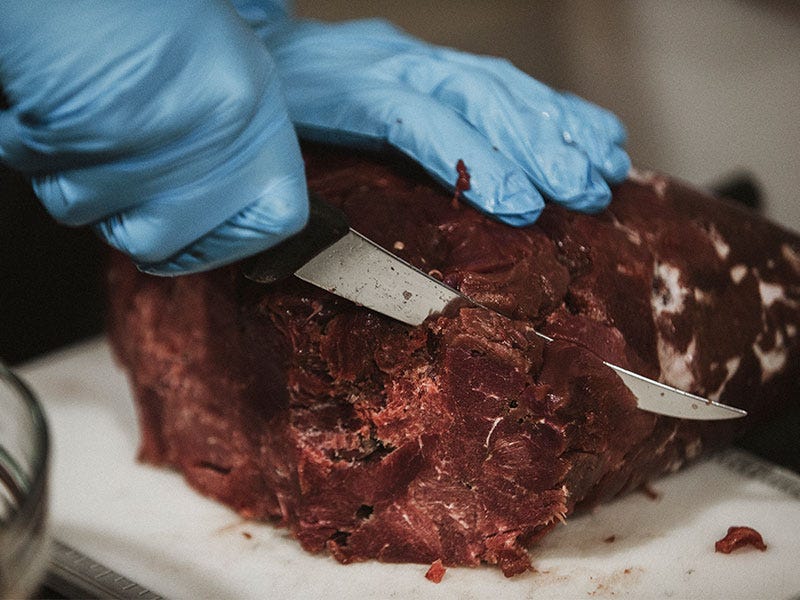 Posted: January 10, 2021Processing your own game is an enjoyable, practical, and cost-effective way to bring your hunt full circle. It gives you a feeling of satisfaction that you’ve been able to control every step of the process from; choosing your seasonings, to controlling the portions, to being certain that your meat -is your meat. And, not to mention, you are defiantly saving yourself the expense of sending your game to the butcher. (There are no extra costs here for add-ons like summer sausage or jerky.) From adjusting the table height to using heaters to keep your hands warm, there are many tips and tricks that make game processing easier. In this video, we share our game processing techniques to make the job a whole lot easier, faster, and more efficient. Video Transcription Tips and Tricks for Processing Game... Read more about How to Make Game Processing Easier? Tips and Tricks5 Min
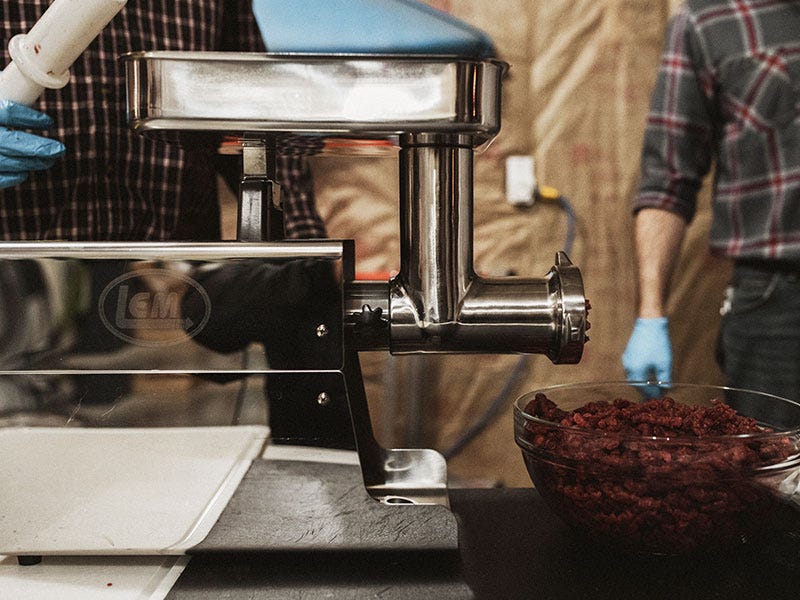 Posted: January 07, 2021Processing your own game is an enjoyable, practical, and cost-effective way to bring your hunt full circle. It gives you a feeling of satisfaction that you’ve been able to control every step of the process from; choosing your seasonings, to controlling the portions, to being certain that your meat -is your meat. And, not to mention, you are defiantly saving yourself the expense of sending your game to the butcher. (There are no extra costs here for add-ons like summer sausage or jerky.) Processing your own game is easy but you will need a few tools to get started such as; a clean cutting surface, a grinder, a sharp knife, and a way to sharpen your knife. In this video, we explain the tools you’ll need plus, we’ll help you figure out how big of a meat grinder you should use and what type of knife is best for game... Read more about What do I Need to Get Started Processing my Own Game?5 Min
 Categories: OutdoorPosted: December 21, 2020A Winter Wonderland for Snowshoeing Read more about A Winter Wonderland for Snowshoeing5 Min
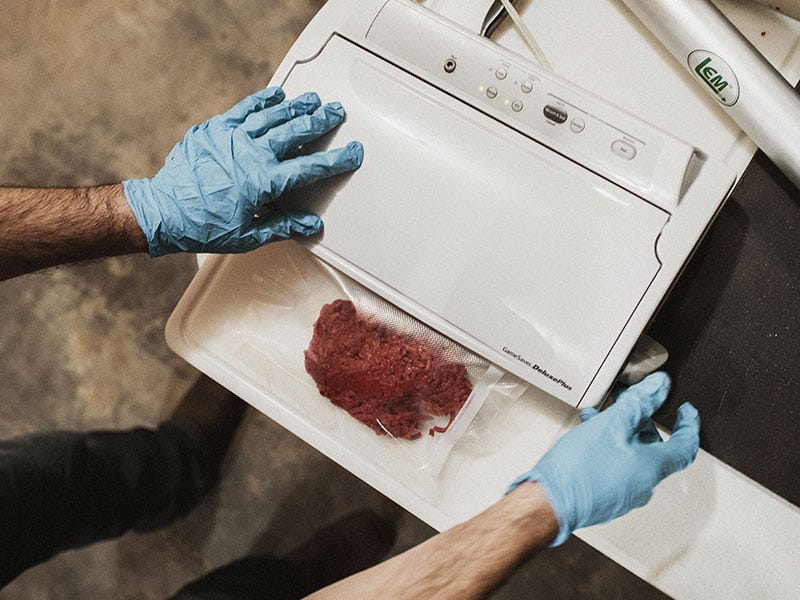 Posted: December 15, 2020Processing your own game is an enjoyable, practical, and cost-effective way to bring your hunt full circle. It gives you a feeling of satisfaction that you’ve been able to control every step of the process from; choosing your seasonings, to controlling the portions, to being certain that your meat -is your meat. And, not to mention, you are defiantly saving yourself the expense of sending your game to the butcher. (There are no extra costs here for add-ons like summer sausage or jerky.) Depending on how long you plan on storing your game meat in the freezer, you will want to either vacuum seal it or wrap it in freezer paper. In this video, we explain the pros and cons of using vacuum sealing and freezer wrapping to package your meat for the short term or the long haul. Video Transcription Freezer Paper for... Read more about How do I Package my Game for the Freezer? Paper vs. Vac Seal5 Min
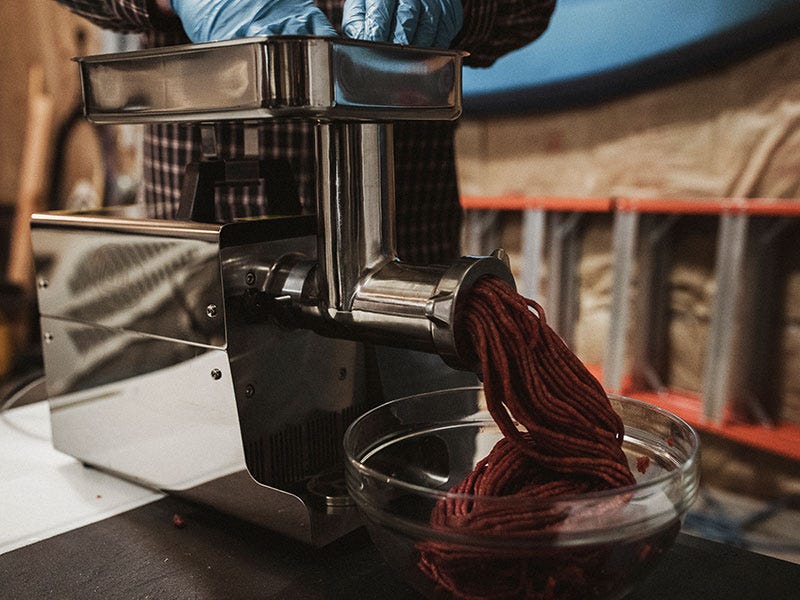 Posted: December 14, 2020Processing your own game is an enjoyable, practical, and cost-effective way to bring your hunt full circle. It gives you a feeling of satisfaction that you’ve been able to control every step of the process from; choosing your seasonings, to controlling the portions, to being certain that your meat -is your meat. And, not to mention, you are defiantly saving yourself the expense of sending your game to the butcher. (There are no extra costs here for add-ons like summer sausage or jerky.) When making hamburger, summer sausage, bulk sausage, and snack sticks, at a minimum, you’ll need a grinder. In this video, we explain the tools and accessories, mixes, and kits you’ll need to get started. Video Transcription Getting Started: Summer Sausage and Snack Sticks Here's what you need to get starte... Read more about What do I Need to Make Summer Sausage and Snack Sticks?5 Min
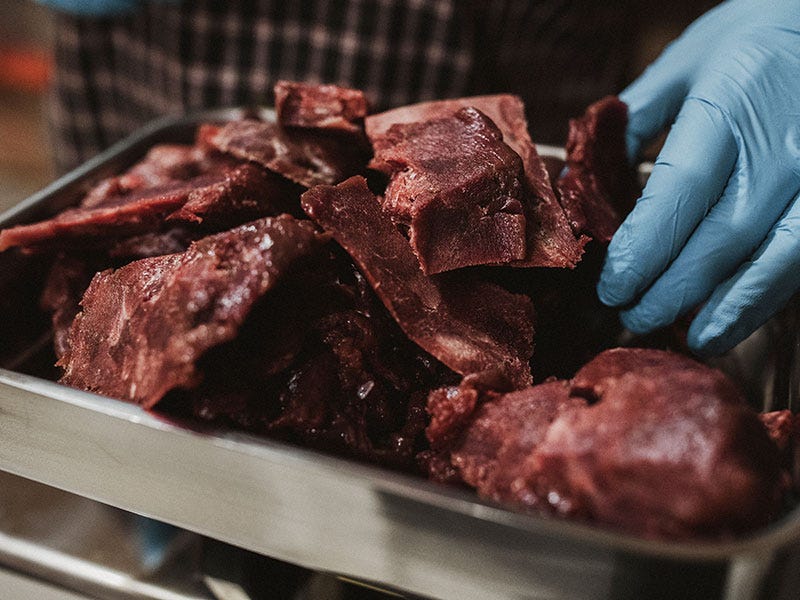 Posted: December 13, 2020Processing your own game is an enjoyable, practical, and cost-effective way to bring your hunt full circle. It gives you a feeling of satisfaction that you’ve been able to control every step of the process from; choosing your seasonings, to controlling the portions, to being certain that your meat -is your meat. And, not to mention, you are defiantly saving yourself the expense of sending your game to the butcher. (There are no extra costs here for add-ons like summer sausage or jerky.) A subjective question, how much meat should you expect to get when processing… depends. Typically, you can expect to get a 40-50% yield from boned-out meat. However, there are other factors that will affect this percentage too. In this video, we explain those factors and what you can expect. Video Transcription How... Read more about How Much Meat Should I Expect to Get from my Wild Game?5 Min
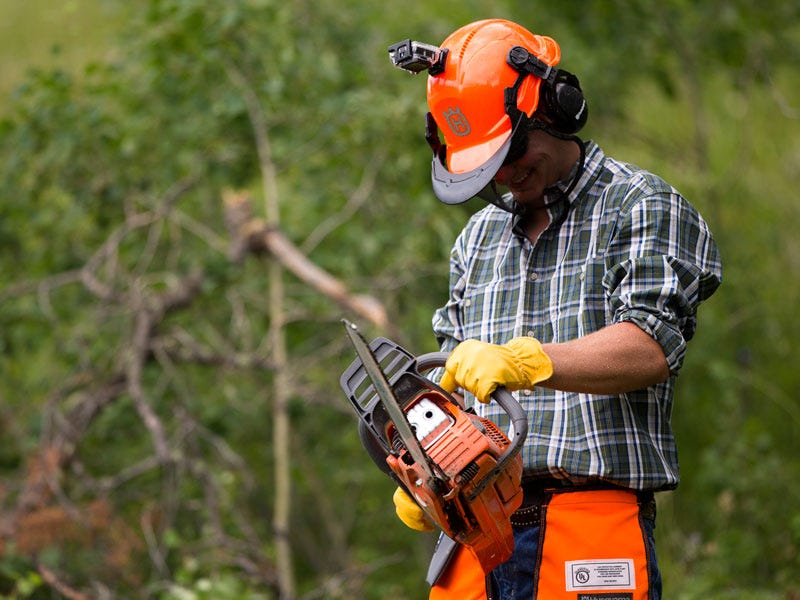 Putting the Husqvarna 450 to the test... When we all ended up in Monarch staring up at a 70' blue-stain pine, the Husqvarna 450 Chainsaw looked a little- puny for the task at hand. This was a horrible assumption as you can see from the photographs below. The Husqvarna Rancher 450 chainsaw packs a real wallop, if you'll allow me to usurp a colloquialism. It's a 50.2 cc, 3.2 HP made for all-around usage. While we cut down, limbed, and sectioned a huge tree this chainsaw works just as well on broken fence, railroad ties, or any other everyday usage typical on properties here in the Northwest. You can learn more about the specifics of the 450 Rancher on our product page, here. Another cool product spec that was directly related to our little outing in Monarch is the air injection in this chainsaw versus other chainsaws. It has a centrifuga... Read more about The Husqvarna 450 Rancher Chainsaw: Used & Reviewed5 Min
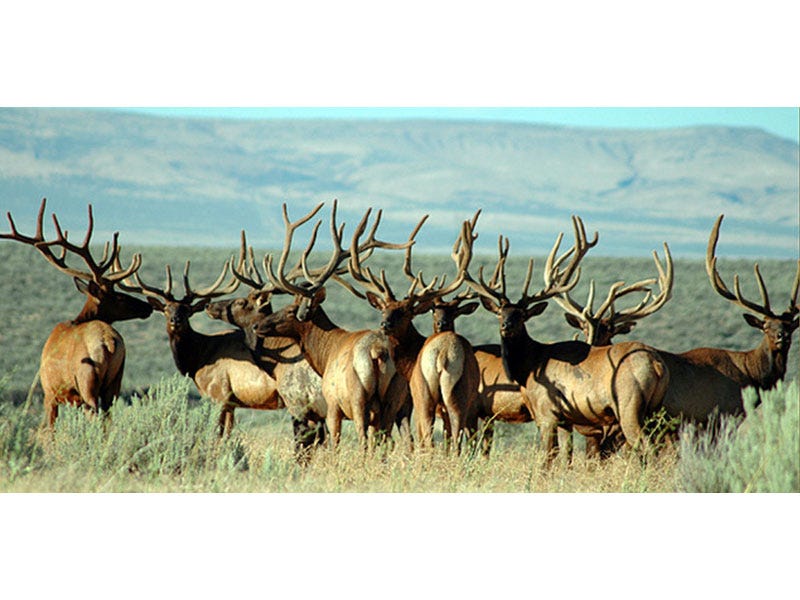 Categories: OutdoorPosted: July 30, 2019The Columbia River is many things to many people—a hydroelectric powerhouse, one of North America's mightiest waterways, a historic highway, a Native homeland, a geologic marvel, a salmon nursery. It is a key element in history books, the subject of rollicking songs, namesake of a dozen geographic sites such as the Columbia Gorge. It binds the Northwest, cleaves its mountains, waters its lands. It also provides one of the most compelling outdoor adventures in the Northwest, a waterborne journey from past to present and back again. Green Douglas firs where the waters cut through Down her wild mountains and canyons she flew So sang Woody Guthrie in a famous 1941 song, Roll on Columbia. "To the oceans so blue... " the song continues, and this morning, floating its longest free-flowing US stretch, the 56-mile Hanford Reach, that's exactly ... Read more about Hanford Reach - A Compelling Adventure5 Min
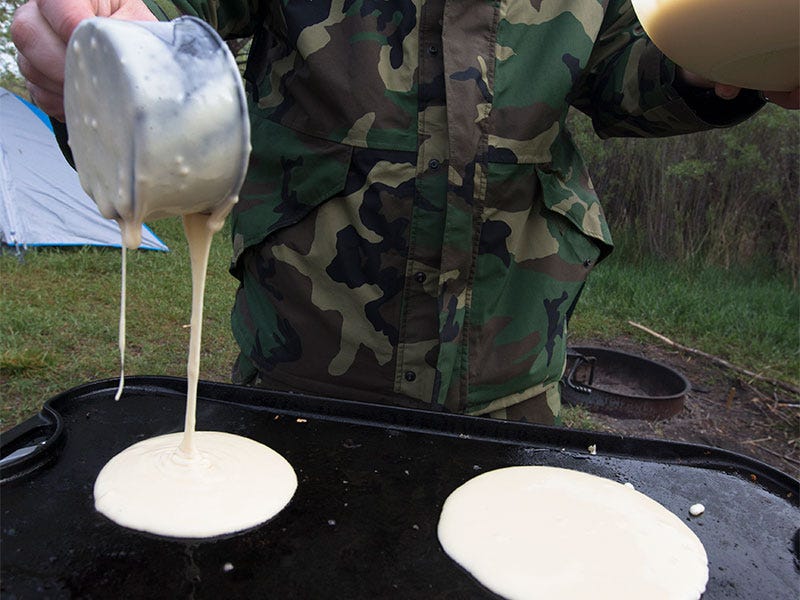 Categories: CampingPosted: June 14, 2019The Camp Chef 2 Burner stove is by far our best selling camp stove for people setting up wall tents, glampers, RV'rs and family campers. While certainly not light and fast you have most all of the convenience of your stove at home. This stove is a true outdoor appliance with strong performance capabilities. It has a 3-Sided Windscreen to shield some of the breezes coming your way and just one twenty-pound tank will keep your stove going for 15 hours. Cook up a meal for you and some friends or family and enjoy the outdoors with a Camp Chef Explorer 2 Burner Stove. 2- 30,000 BTU Cast Aluminum Burners system for total cooking power of 60,000 BTU 448 sq. in. cooking area with 3 sided windscreen and appliance style knobs Comes with regulator and 3 foot hose for use with bulk propane tank Cooking area 14" x 32" fits 14" Blue Flame Accessorie... Read more about The Best Camp Stove - Camp Chef 2 Burner stove5 Min
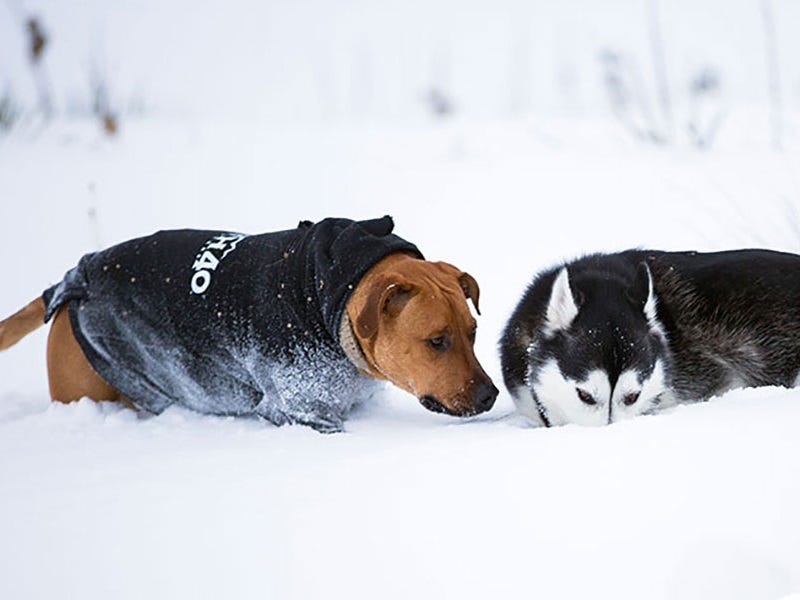 Posted: January 27, 2019When Skunks Mate they are More Smelly We are more aware of skunks in spring and summer, but they're quite active February through March, a lesson my dog, Dida, and I learned the hard way. Though skunks sleep deeply for 3.5 months at a time, they are not true hibernators. Male skunks will leave their dens during warm spells seeking females for mates. Their mating season is typically February through March, but it really depends on winter conditions. Nocturnal by nature, males will travel up to five miles under the protection of dark. Skunks use their odor as defense, and are extra smelly during the mating season as male skunks will spray each other, plus disapproving females also spray males away. With no natural predators, skunks go about their business care-free as most wildlife is keenly aware of what that odor means. Dogs Don't Run Aw... Read more about What do I do if my Dog is Sprayed by a Skunk?5 Min