Crawfish & the Spring Bass Bite: Why Craw Patterns Trigger Big Pre-Spawn Bass
When bass start cruising shallow in spring, they’re hunting crawfish. Match the hatch with jigs, crankbaits, and soft plastics to stay on the bite as water temps rise and the pre-spawn bite fires up.
As the days get longer and the water temperatures begin to rise, bass fishermen start thinking
about one thing: crawfish, crawdads, mudbugs… call them what you will. In many lakes and
rivers, crawfish are one of the primary food sources for bass in early spring. Understanding how
they behave can help you locate fish and set yourself up for springtime success.
The Spring Molt
Growing up along the Susquehanna River in central Pennsylvania, you learn early on that the
crawfish is king. When water temperatures reach the 50-degree mark, crayfish start to emerge
from their muddy and rocky winter homes to begin the molting process, leaving them vulnerable
to predators. After shedding their hard exoskeleton, the crawfish is left soft-shelled and
sometimes even more brightly colored than before.
Head to the shallows
Crawfish are highly adaptable and can be found in almost any habitat, from muddy southern
bottoms to hard, rocky northern rivers. One thing is consistent, though: as the water warms,
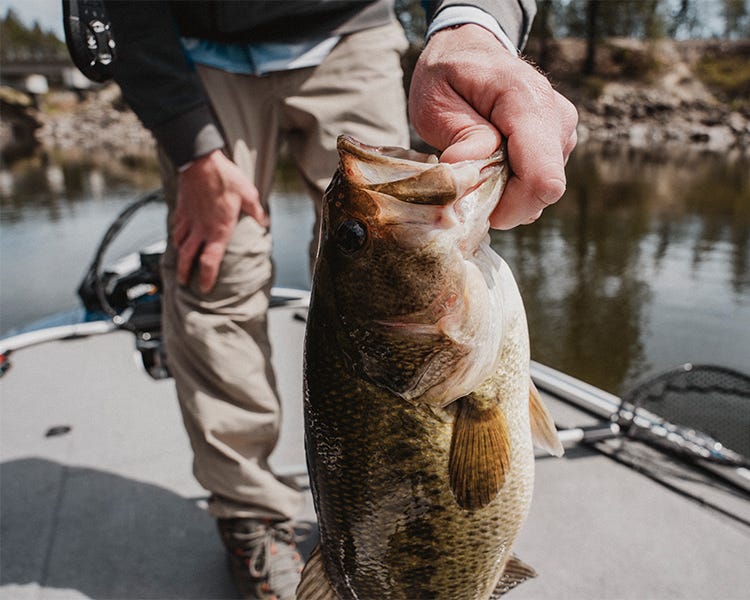
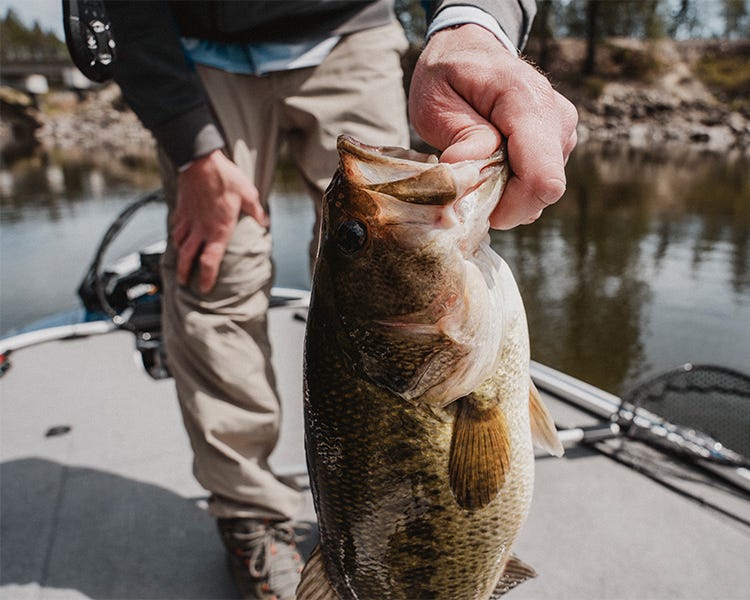
crawfish and other baitfish move shallower, and the bass follow. Focus on rocky points, riprap
around bridges and dams, and transitions from a muddy bottom to a hard one. That being said,
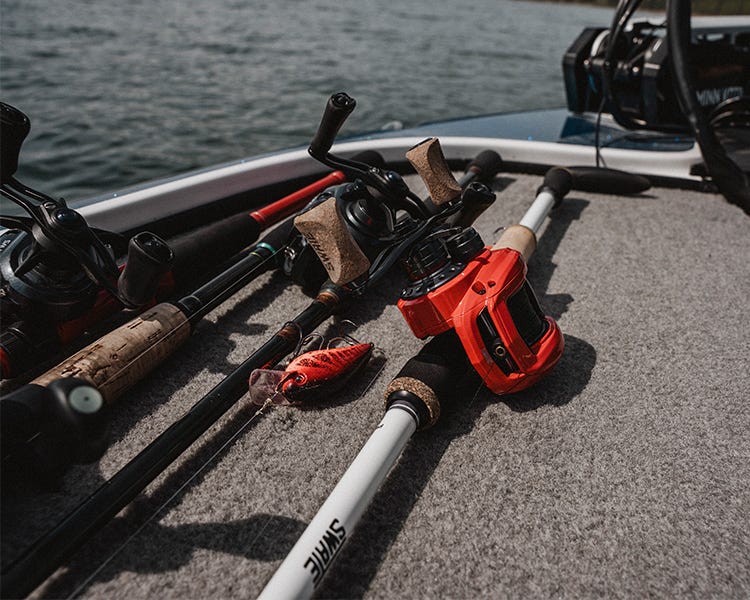
choosing a bait that matches your situation like the Strike King KVD Squarebill, or the Geecrack Bellows Craw is therefore imperative.
Enter lures and lure colors
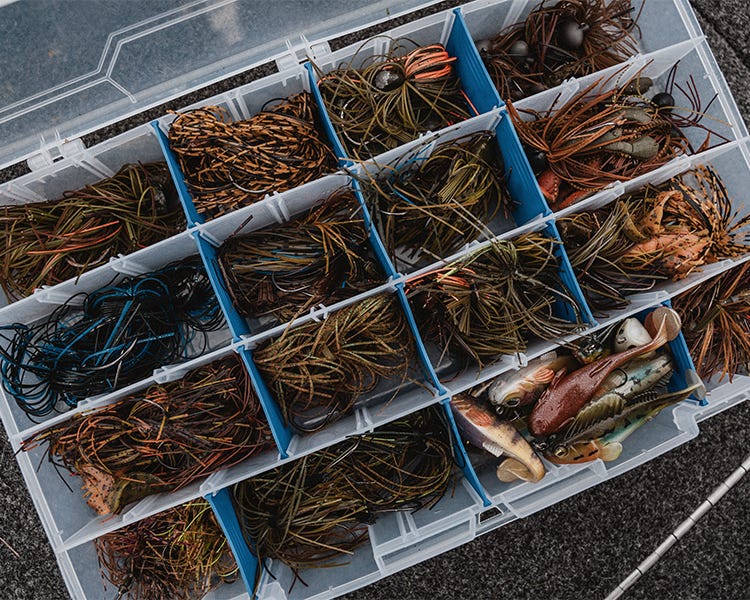
Take note of when the molt is happening in your area, and try to find a live crawfish or two so
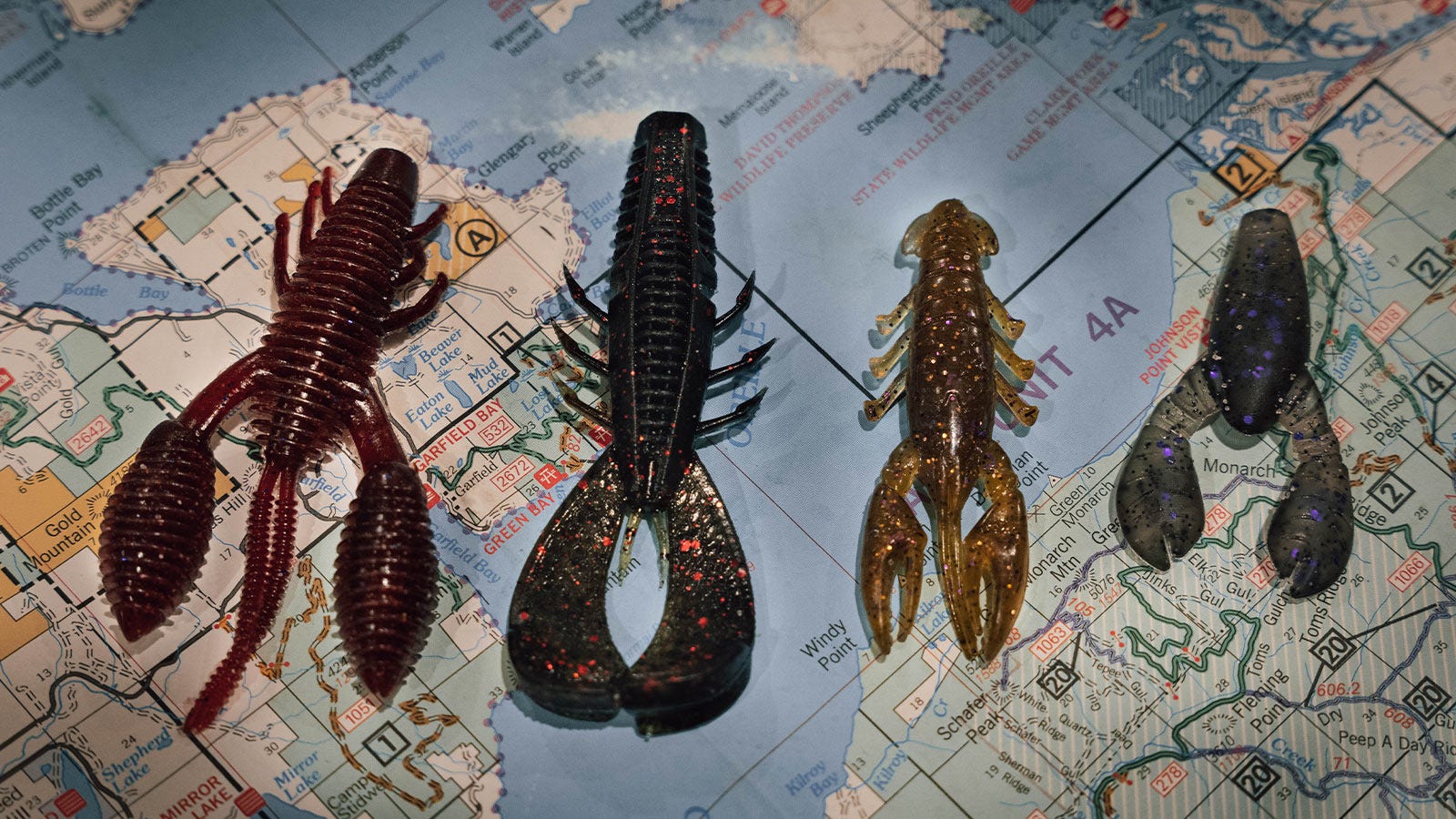
you can match the size and color of your bait. Colors like deep reds and oranges are a great
place to start, as well as browns and pumpkin variations. But don’t be afraid to experiment; a
black, Texas-rigged soft plastic can be deadly in muddy water.
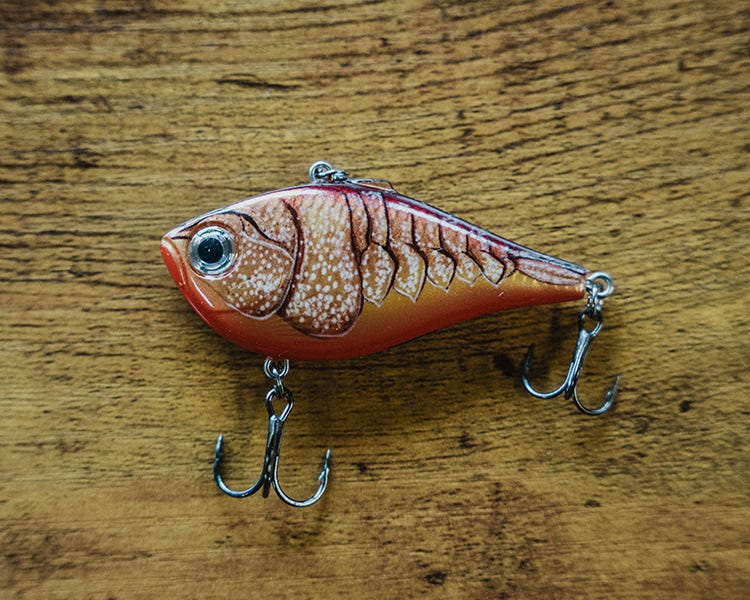
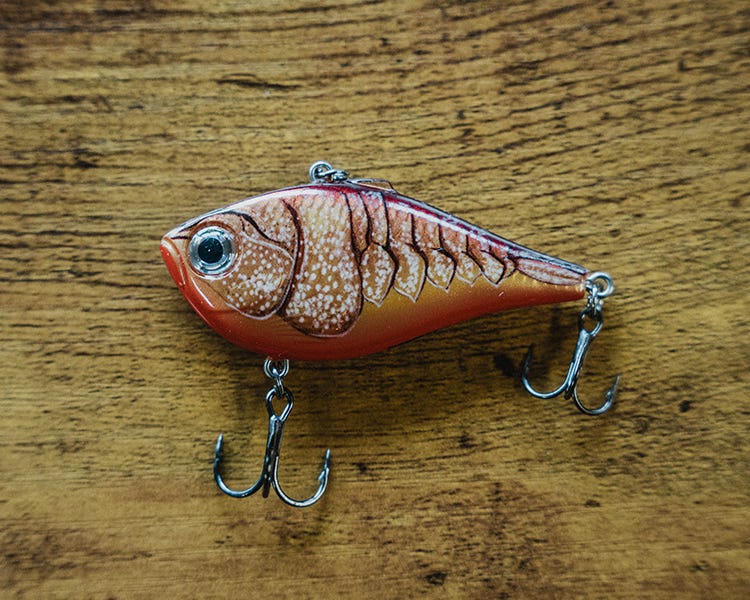
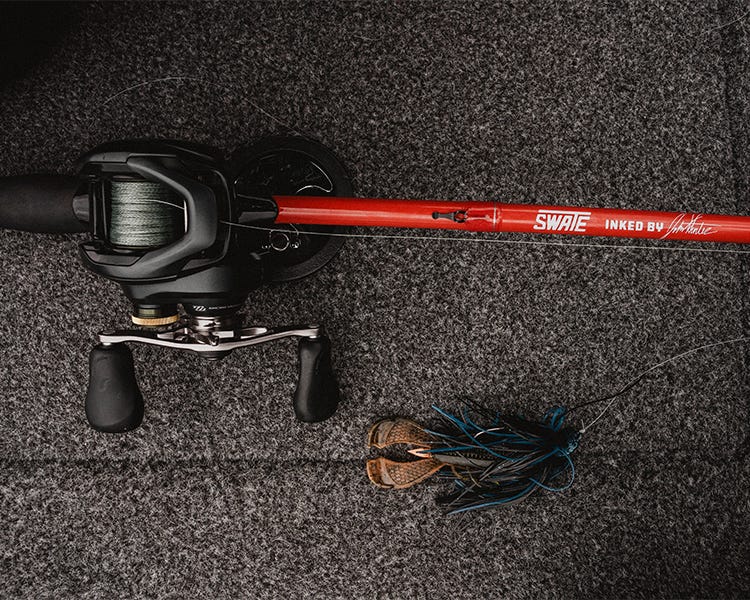
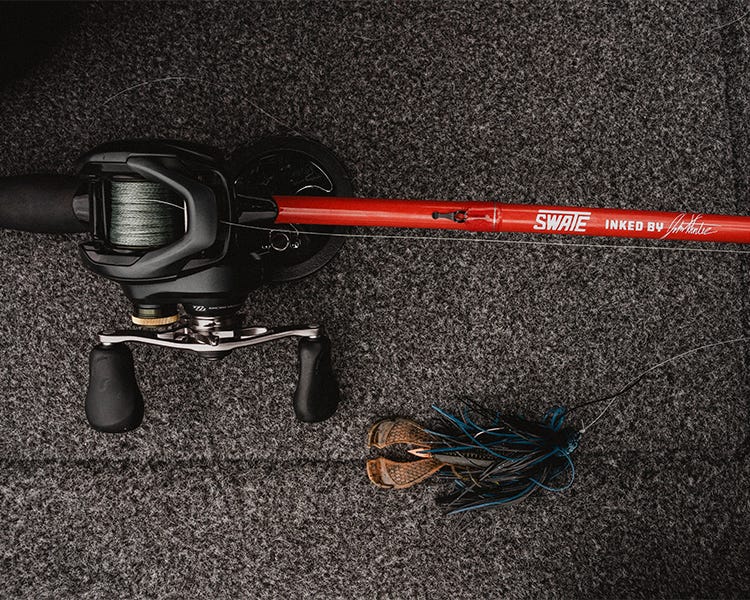
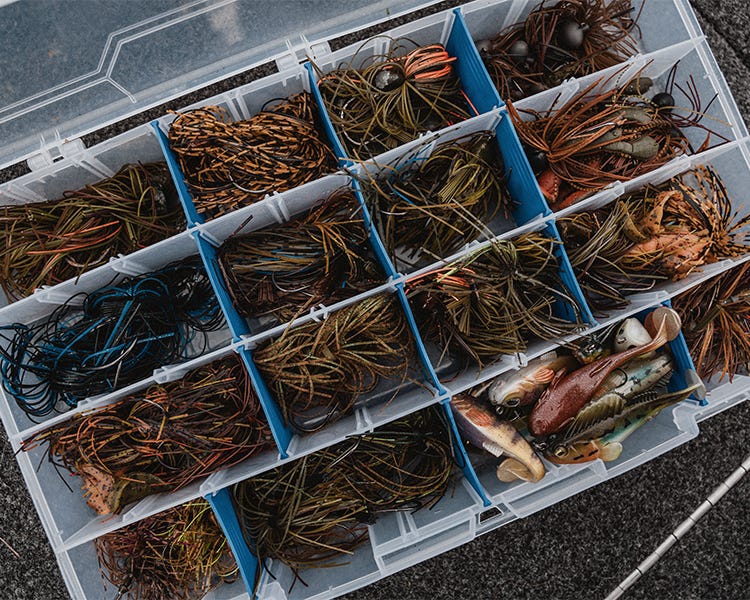
However, don’t get hung up on using only slow-moving, bottom-bouncing jigs similar to the Googan squad Lil' Juicee jig. In rivers like the Susquehanna, where rocks are prevalent, much like in some rivers in the Northwest, lures such as deep-diving, squarebill, or lipless crankbaits such as a Rapala Rippin' Rap can also trigger a ton of strikes. They often help you avoid snags by bouncing off structure rather than falling into it. Consequently, the sound and action of your lure contacting the bottom will elicit many of your bites.
Conclusion
Every body of water has a pattern. You just have to piece it together. Keeping notes on
conditions like water temperature, wind, and clarity can help reveal those patterns over time. But
when spring rolls around and you find yourself in a pinch, remember one thing: find the crawfish,
and you’ll often find the bass.